A Complete Analysis of Limestone Grinding Production Lines: From Crushing to Powder Output, Understand It All in One Article
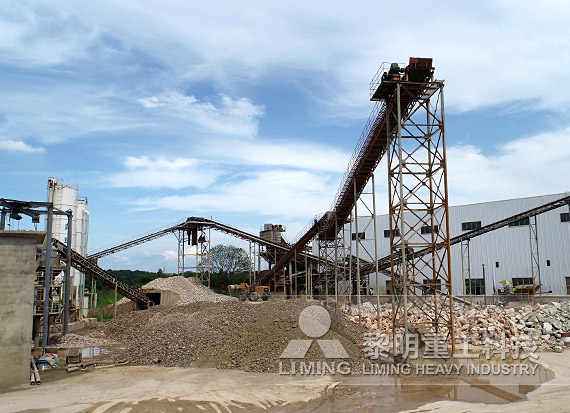
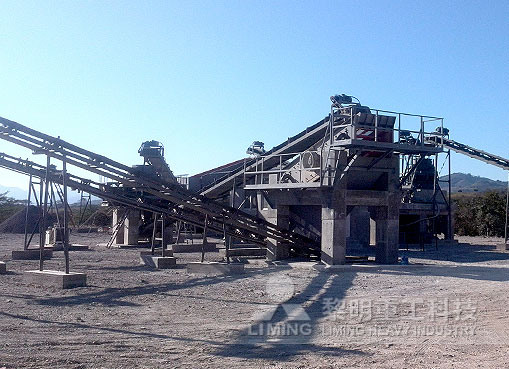
How is limestone transformed into fine powder? The following details the entire process of a limestone grinding production line, including key steps such as crushing, grinding, grading, and powder collection.
Limestone Grinding Process
I. Crushing: From Large to Small Pieces
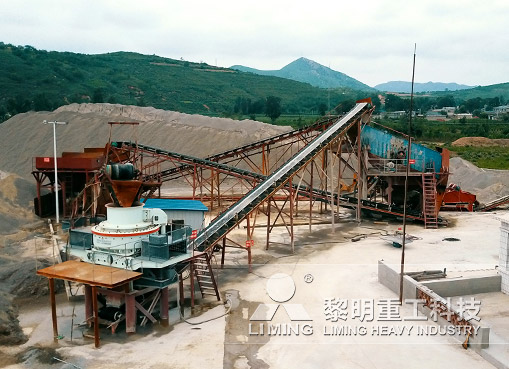
The first step in limestone grinding is to crush large pieces of material to a suitable fineness for grinding using a crusher. This step lays the foundation for subsequent grinding processes.
II. Grinding: Fine Grinding
After crushing, the small pieces of limestone are lifted to a hopper and then fed evenly and quantitatively into the mill for grinding using a vibrating feeder. Different types of grinding equipment can be selected to meet different particle size requirements.
III. Grading: Screening for Qualified Powder
The ground limestone powder needs to be graded and screened by a classifier to ensure that every particle meets the standards. Unqualified powder is returned for regrinding.
IV. Powder Collection: Harvesting the Finished Product
Finally, the qualified powder is carried by airflow into a dust collector for separation and collection, and then conveyed to the finished product silo for packaging. This completes the production of limestone powder.
Limestone Grinding Processing: A Perfect Combination of Technology and Efficiency
The limestone grinding production line combines advanced technology with efficient operating procedures, ensuring that every grain of limestone is finely ground into a high-quality powder product. Whether it's coarse or fine powder, satisfactory finished products can be obtained.

-
-
-
How to control the stone powder content during the operation of a sand and gravel production line?
-
What causes polarization in a vibrating screen during a large-scale sand and gravel production line?
-