Aggregate Alkali-Aggregate Reaction Risk in Concrete Projects
Certain reactive silicate minerals in aggregate can trigger alkali-aggregate reaction inside concrete. The reaction creates expansive gel that causes internal cracking, gradually damaging bridge decks and structural slabs.
Contractors in high-risk regions require petrographic testing of stone sources. Quarries must classify reactive rock and either exclude it or supply mitigation measures for concrete mixes.
SMP supports customers with aggregate sampling protocols and crushing flow adjustments to separate identified reactive lithologies into non-structural fill stock
Understanding alkali reactivity helps aggregate producers avoid liability and qualify for critical infrastructure concrete supply contracts.
Keywords: alkali aggregate reaction, reactive aggregate test, concrete expansion cracking, petrographic aggregate testing, structural aggregate qualification

-
-
-
-
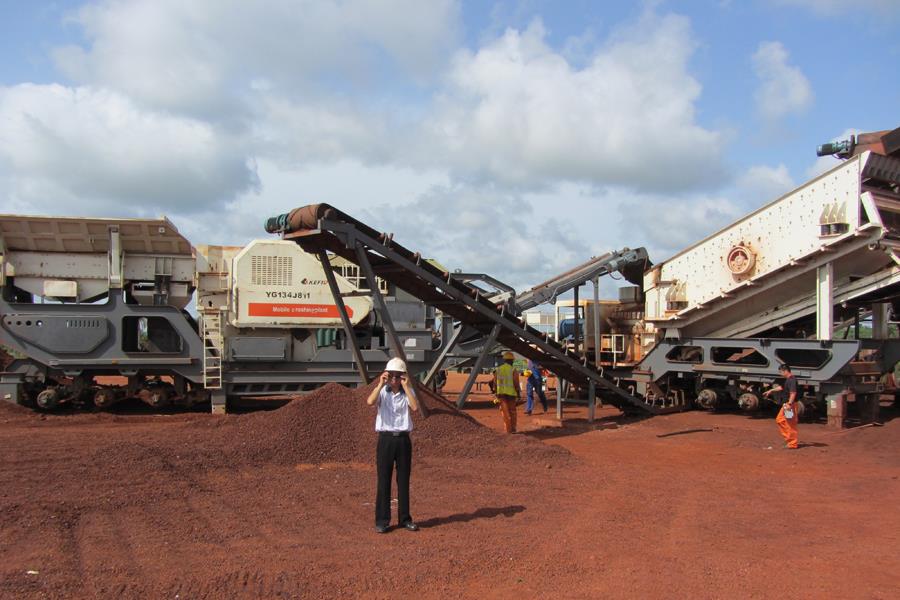
Complete Iron Ore Crushing & Pre-Concentration Process for Low-Grade Magnetite
-
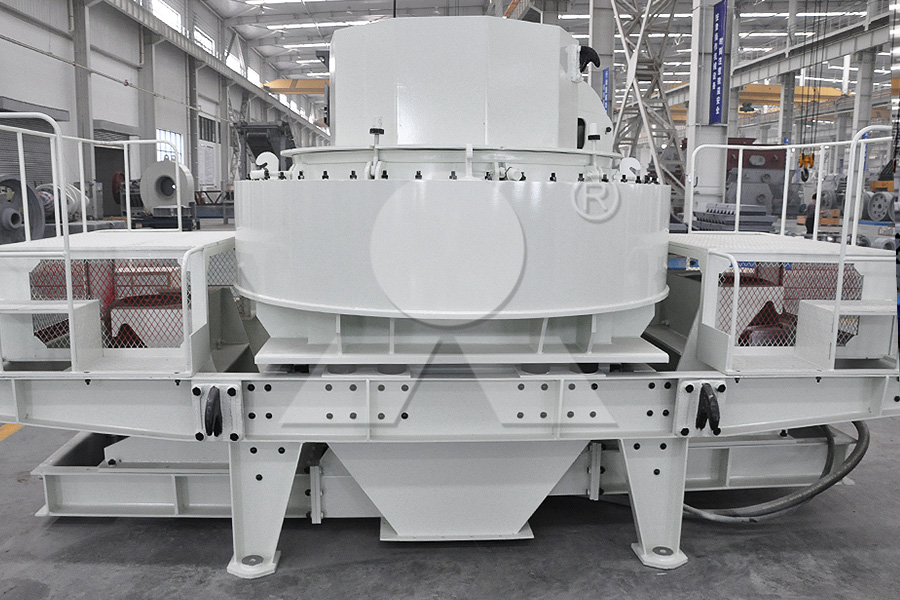
Why Granite Aggregate Requires Three-Stage Crushing for High-Grade Engineering Projects