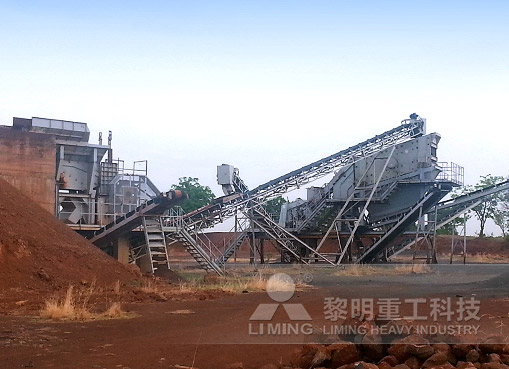
Analysis of Crushing Processes for Hard Rock and Abrasive Materials: Comparison of the Advantages and Disadvantages of Jaw Crusher + Cone Crusher vs. Gyratory Crusher + Cone Crusher
In the construction of production lines for hard rock or abrasive materials, the choice of crushing process is crucial. Based on different crushing output requirements, we recommend two processes: "jaw crusher + cone crusher" and "gyratory crusher + cone crusher." When the required crushing output for a single stage is less than 2000 t/h, the "jaw crusher + cone crusher" process is more suitable; while when the output requirement exceeds 2000 t/h, the "gyratory crusher + cone crusher" process is usually chosen. It is worth noting that both processes often require the use of a shaping process to achieve optimal results.
More Crushing Equipment

Currently, there are application cases of jaw crusher lines with a capacity of up to 2000 t/h in the market, but cases exceeding 2000 t/h are still relatively rare. This is because when the output requirement exceeds 2000 t/h, a large-capacity gyratory crusher is needed to meet the production demand.
Next, we will introduce the process flow of "gyratory crusher + cone crusher" and "jaw crusher + cone crusher" and their main equipment details.
I. Gyratory + Cone Crusher Process Flow and Main Equipment: Using granite as the crushing raw material, with a feed size of 1000mm, the product particle size range is 0-5mm, 5-10mm, 10-20mm, and 20-31.5mm. For a production line with an annual designed output of approximately 15 million tons, the instantaneous output per hour of the gyratory + cone crusher process is equivalent to two 2000t/h production lines.
II. Jaw Crusher + Cone Crusher Process Flow and Main Equipment: Using dolomite as the crushing raw material, with a feed size of 1500mm, the product particle size range is also 0-5mm, 5-10mm, 10-20mm, and 20-31.5mm. For a production line with the same annual designed output of approximately 15 million tons, the instantaneous output per hour of the jaw crusher + cone crusher process is also equivalent to two 2000t/h production lines.
III. Comparison and Conclusion of Crushing Processes
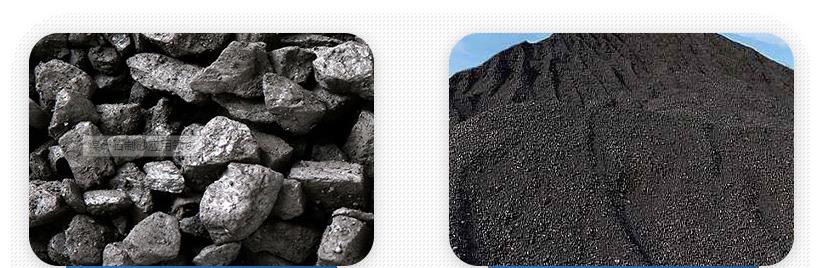
When designing a high-quality aggregate production line with an annual output of approximately 15 million tons, the "jaw crusher + cone crusher" process offers the following significant advantages for hard rock or abrasive materials:
The investment in primary crushing equipment is lower, saving approximately 35% of the investment cost compared to the "gyratory + cone crusher" process;
Equipment installation requirements are lower, and civil engineering costs are also relatively lower, saving approximately 20% of the cost;
Because gyratory crushers have certain requirements on feed particle size, the "gyratory + cone crusher" process requires additional investment and costs for secondary crushing equipment in the mine, while the "jaw crusher + cone crusher" process almost negligible this investment;
The "jaw crusher + cone crusher" process has a lower installation height, providing a larger operating platform and supporting simultaneous feeding by multiple vehicles. Furthermore, its maintenance costs are lower, as many jaw crusher components are exposed, facilitating observation and simple maintenance;
The soil removal process is relatively simple, as soil can be directly removed by the feeder, followed by separation of mud using a vibrating screen. However, removing soil after gyratory crushing requires a large number of screening machines and belt conveyors, increasing equipment investment, civil engineering investment, and land area.
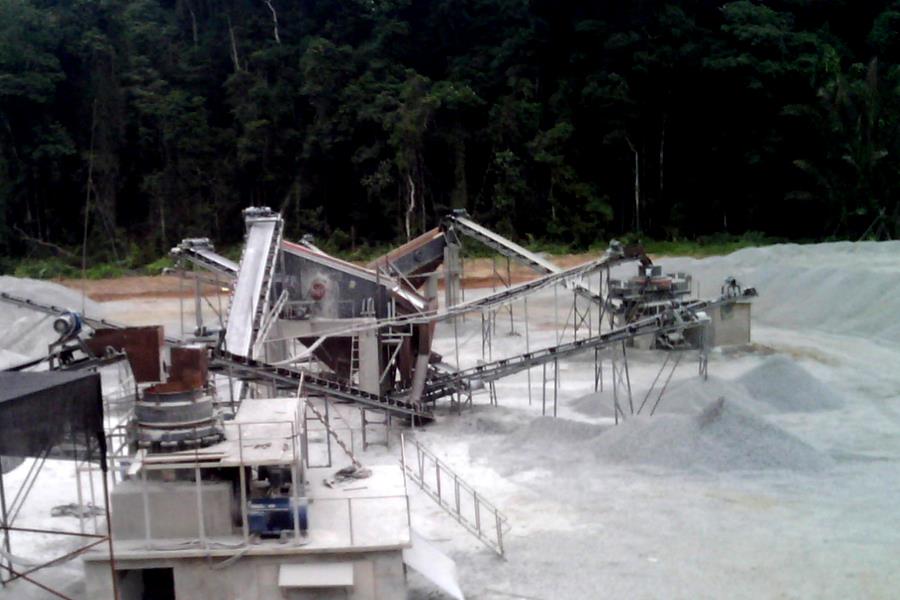
For hard rock or abrasive materials such as granite, a "jaw crusher + cone crusher + vertical crusher" process is generally recommended. For a production line with an annual designed capacity of approximately 15 million tons, two 2000t/h production lines or three 1350t/h production lines can be selected. This configuration not only has a simple and smooth process, but also simplifies equipment operation and maintenance, has a high operating rate, and can achieve long-term, trouble-free continuous operation.
-
-
-
-
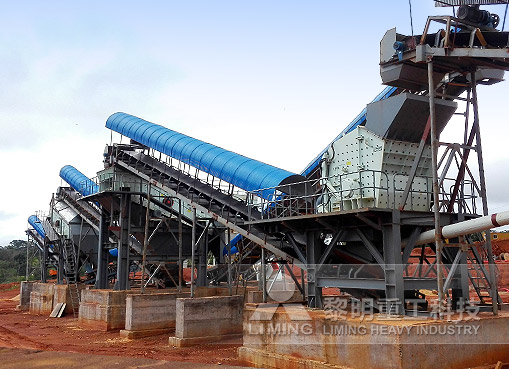
How to select equipment for a 600tph granite sand and gravel aggregate production line in Sichuan
-
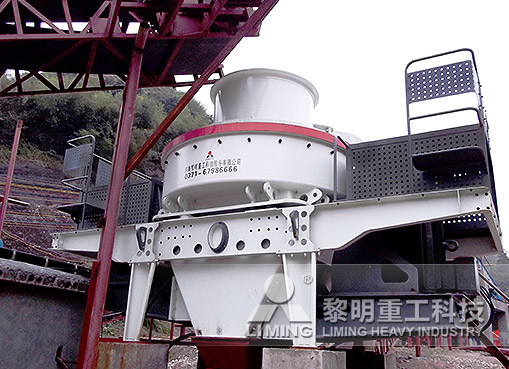
Basalt Crushing Equipment: A Powerful Tool for Highway and Railway Construction