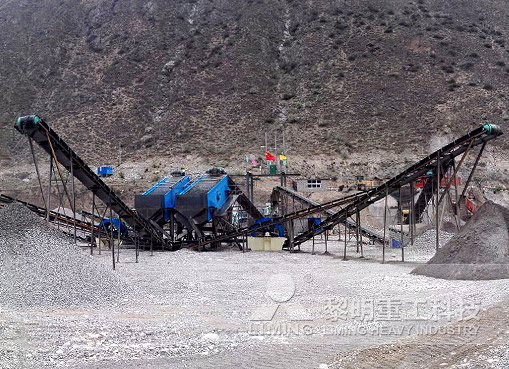
Basalt Aggregate for Asphalt Surface Courses: Crushing Cavity and Gradation Control
Basalt remains one of the premium raw materials for asphalt wearing courses because of its excellent polishing resistance, high crushing strength and angular texture that delivers long-term skid resistance. However, basalt is highly abrasive, dense and tough. A poorly configured crushing line will produce rounded, over-polished particles or a high share of flaky grains that fail road specification tests. Many quarries mistakenly treat basalt the same way as limestone, running it through impact crushers at high rotor speeds and ruining the surface micro-texture that gives basalt its road performance advantage.
The core balancing act for basalt crushing is reducing rock size while preserving sharp particle edges and surface roughness. Too much impact polishing smooths grain faces; too little shaping leaves excessive elongated particles that reduce interlock within the asphalt mat. Gradation also matters greatly: gap-graded SMA asphalt requires a strict coarse aggregate skeleton, while dense-graded asphalt needs a continuous, well-graded blend. If crushing and screening cannot consistently hit the target gradation, asphalt mix designers must adjust binder content, increasing material cost and risking pavement early failure.
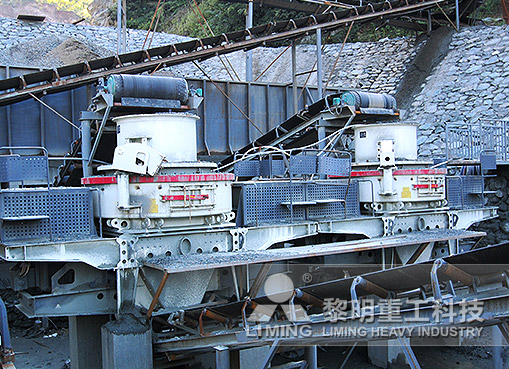
SMP’s basalt asphalt aggregate process uses jaw primary crushing, laminated cone secondary crushing and carefully calibrated VSI shaping. The cone cavity profile is selected for inter-particle compression rather than single-point impact, cutting flakiness without heavy surface polishing. The VSI runs at a moderate tip speed, just enough to break weak grain edges and correct elongation, not burnish particle faces. Multi-deck inclined screens split product into separate stockpiles for coarse aggregate, fine aggregate and stone dust.
Finished basalt aggregate meets the strict polishing value and flakiness limits for highway surface layers. Quarries using this process qualify for high-value road tenders and avoid rejected shipments. The liner service life is also extended by matching manganese and alloy liners to basalt’s high abrasion index.
**Keywords**: basalt asphalt aggregate, wearing course aggregate, aggregate polishing resistance, basalt cone crushing cavity, SMA aggregate gradation

-
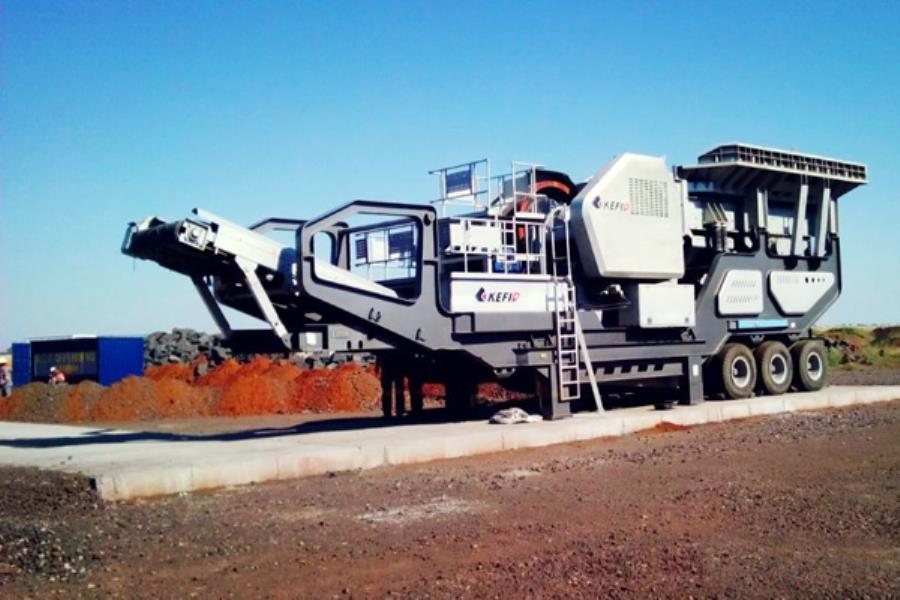
Tin Ore Crushing & Pre-Sorting for Cassiterite Recovery Before Grinding
-
-
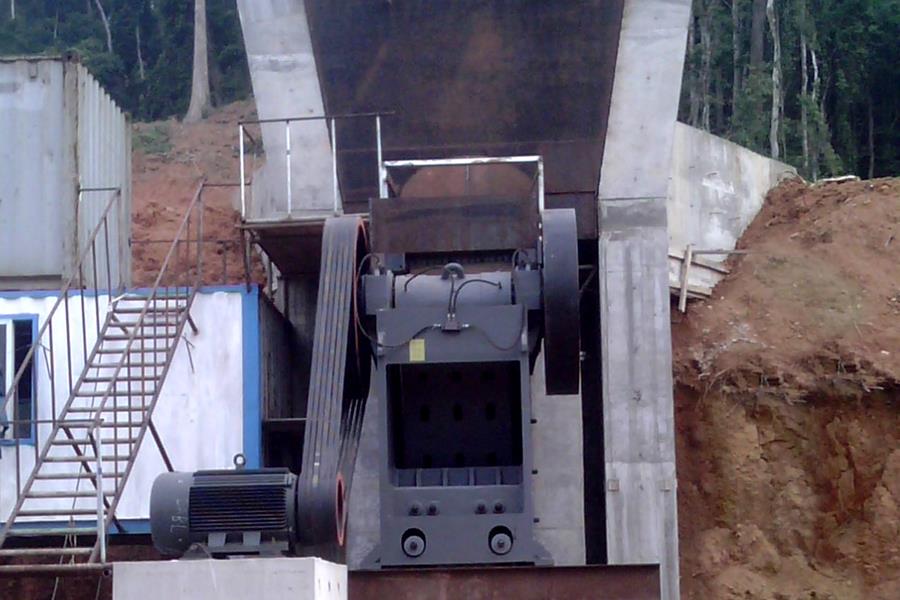
Nickel Laterite Ore Crushing and Agglomeration Prep for Hydrometallurgical Processing
-
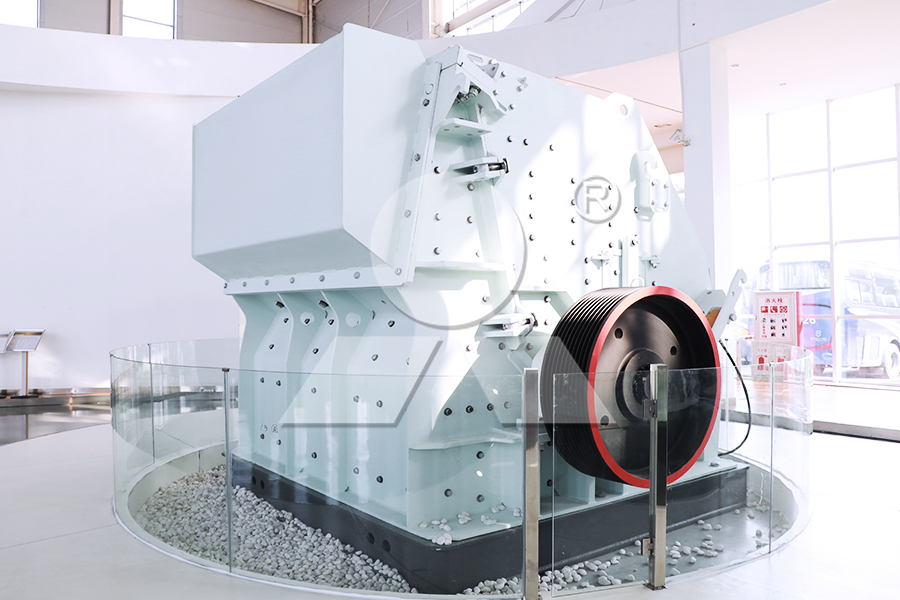
Gypsum Crushing Process for Plasterboard, Cement Retarder and Agricultural Gypsum
-
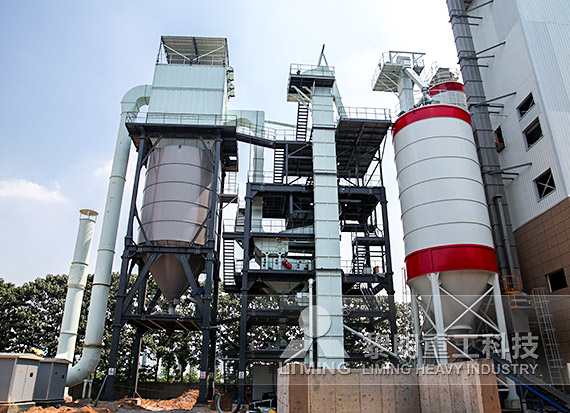
Sulfide Lead-Zinc Ore: How Crushing Ratio Controls Selective Flotation