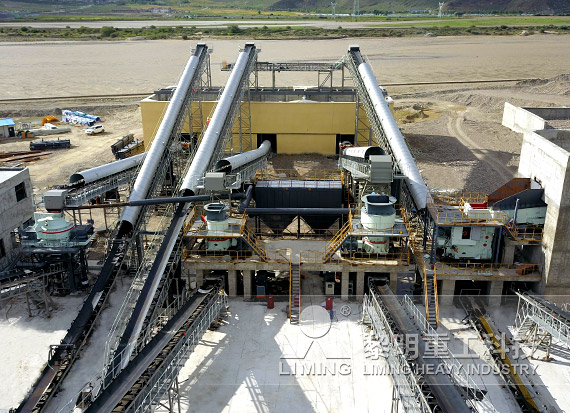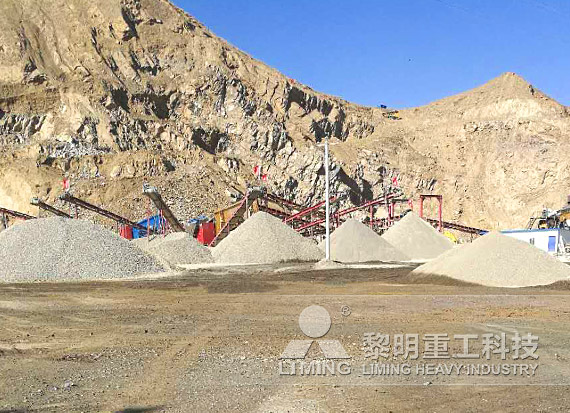
Problems and solutions in extracting sand from hard rocks such as basalt.
When discussing the crushing and production of sand from hard rocks such as basalt and granite, many encounter problems such as severe wear of parts, insufficient productivity to meet design requirements, and poor particle shape of the finished sand. Producing sand from hard rocks like basalt is indeed associated with a number of difficulties.
Other equipment for crushing hard rocks and producing sand
Difficulties in crushing basalt
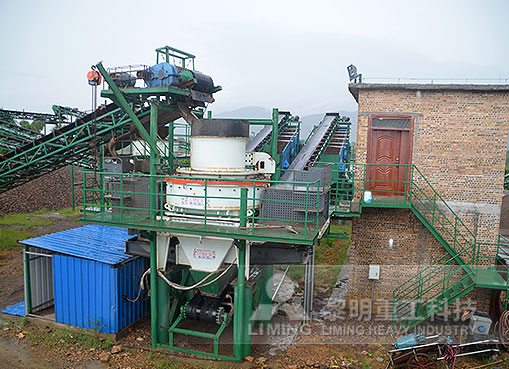
High strength and abrasiveness: Basalt has high compressive strength, good impact toughness, high hardness, and high abrasiveness, which makes it difficult for crushing equipment to achieve its theoretical productivity.
Irregular particle shape of the finished product: Crushed aggregate has an irregular particle shape with a high proportion of flaky stones, which makes it difficult to control the content of needle-shaped and flaky particles in the finished coarse aggregate.
High fineness modulus: After crushing basalt in a vertical shaft impact crusher, the aggregate smaller than 5 mm contains a high proportion of crushed stone and large particles, fewer fine particles, and a low content of stone dust. Sand production in a rod mill is possible, but its productivity is low, and the consumption of water, steel, and electricity is high.
Technological measures to counteract the crushing and processing of basalt. The aforementioned problems arose during the construction of the hydroelectric power plant. Dense massive basalt and amygdaloidal basalt were used as raw materials. The system was designed to process 1.2 million m³ of concrete aggregate, with a total capacity of 154,000 tons/month, raw material processing capacity of 560 tons/hour, finished aggregate capacity of 396 tons/hour, and finished sand capacity of 140 tons/hour.
Equipment Selection
Based on the characteristics of the basalt, a combined sand production process was chosen, including four-stage crushing, a vertical shaft impact crusher, and a rod mill. Equipment Configuration:
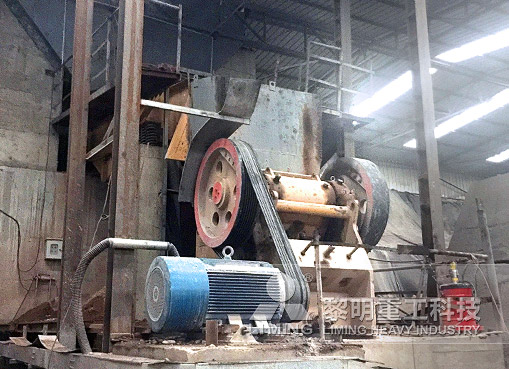
Primary crushing plant: equipped with a Shibang Group jaw crusher
Secondary crushing plant: equipped with a Shibang Group single-cylinder hydraulic cone crusher
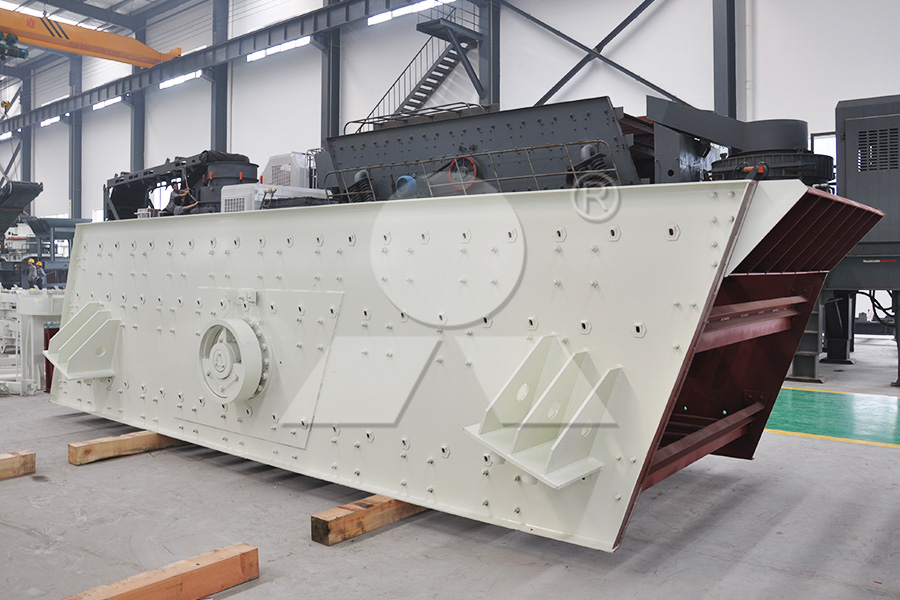
Screening plant: equipped with a vibrating screen
Sand production plant: equipped with a Shibang Group vertical shaft impact crusher
Control screening plant: equipped with a multi-cylinder hydraulic cone crusher
Stockpile of coarse and fine aggregates: Equipped with a feeder
Control of the particle shape of the finished aggregate
To improve the particle shape of the finished aggregate after basalt processing, the following quality control measures for coarse aggregate are applied:
Control of the degree of medium and fine crushing, maintaining a continuous feed gradation, ensuring full feed and layered crushing.
Application of shaping measures: In the first screening plant, only coarse and medium finished aggregates are produced. The aggregate is fed into the ultra-fine crushing plant (equipped with three vertical shaft impact crushers) for shaping, and then fine and medium finished aggregates are produced in the second screening plant.
Control of sand yield, fineness modulus, and crushed stone content
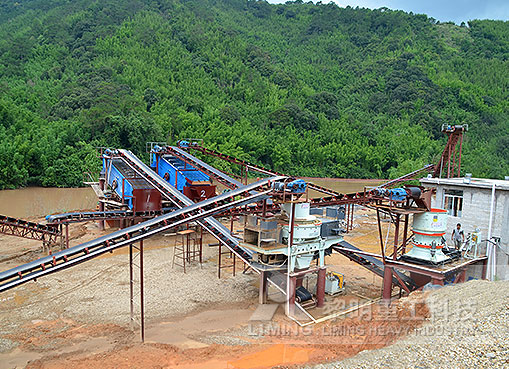
To address the problems of low sand yield, high fineness modulus, and low crushed stone content in basalt sand production, the following measures were taken:
Increasing the rotor speed of the vertical shaft impact crusher (VHSC) increases the linear velocity of the aggregate in the crushing chamber (up to 65 m/s), thereby increasing sand yield, crushed stone content, and reducing the fineness modulus of the sand.
Adjusting the particle size distribution of the feed to the VHSC to improve the efficiency of sand production.
Aggregates<5 mm obtained after fine crushing in the system are fed into the VHSC for shaping to control the quality of the finished sand.
Large particles processed in the VHSC are then returned to the rod mill for further crushing to regulate the fineness modulus and content.stone flour in the finished material.
The use of a completely dry production method improves
-
-
-
What factors should be considered when choosing a machine for sand production?
-
What processes and equipment are necessary for a sand and gravel crushing plant?
-