Classification and application of crushing plants in mines: the key to increasing the efficiency of mineral processing.
In the processing of metal ores, crushing is an integral stage, and processing with crushers can significantly improve the quality of the ore. Currently, choosing the right crushing plant has become a trend for increasing production efficiency in open-pit mines. This article will present four common types of crushing plants for open-pit mines, as well as their characteristics and applications.
More equipment for crushing metal ores
Classification and composition of crushing plants for metal mines
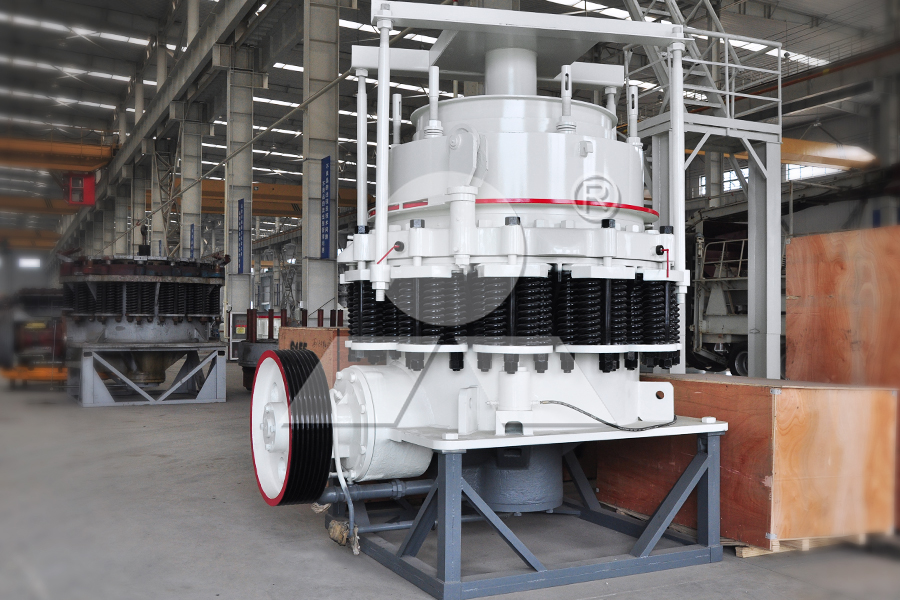
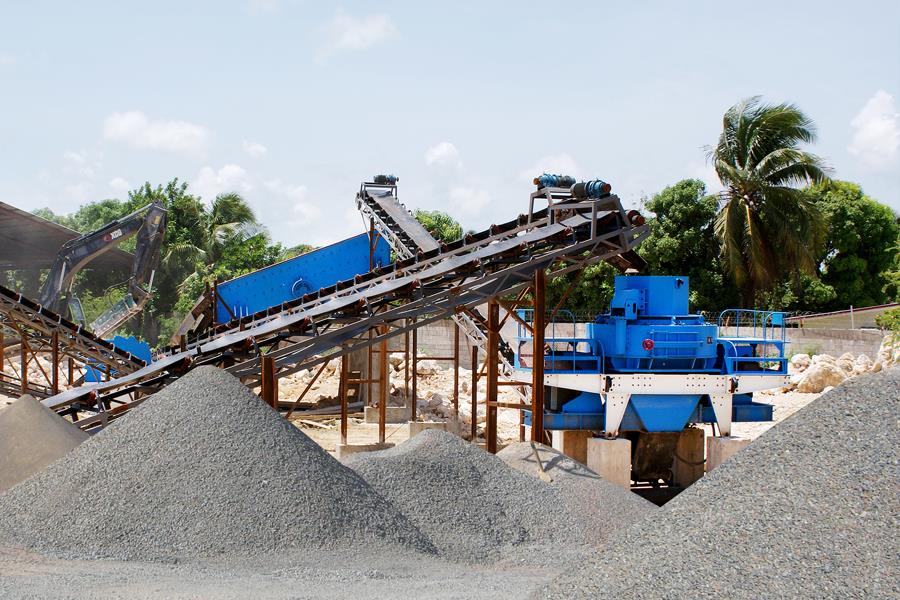
Surface crushing plants for open-pit mines can be classified according to the degree of attachment of the crushing equipment to the foundation: mobile, semi-mobile, semi-stationary, and stationary. As the name suggests, the degree of fixation of these crushing plants increases in this order. A crushing plant usually consists of four parts: feeding equipment, crushing equipment, a buffer hopper, and discharge equipment. The feeding equipment includes a hopper, a feeding conveyor, and a vibrating feeder; cone and jaw crushers are usually used as crushing equipment; and the discharge equipment is a belt conveyor.
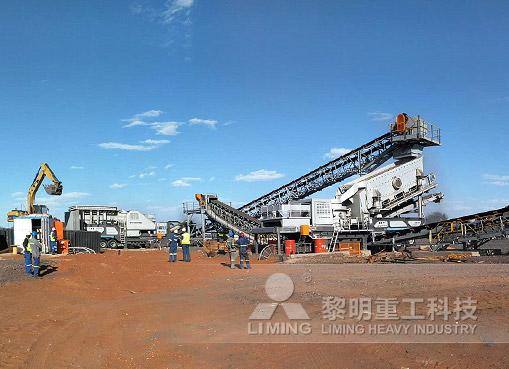
Characteristics and applications of different types of crushing plants
Semi-mobile crushing plant
A semi-mobile crushing plant is installed at a suitable working level within the open-pit mine. As the working face advances, the crushing unit is moved as a whole or in parts using tracked vehicles or other traction equipment. A semi-mobile crushing plant consists of feeding equipment, crushing equipment, a buffer hopper, and discharge equipment. Its characteristics include the absence of a concrete foundation, the lack of self-propelled movement, the need for specialized means of transportation, a service life typically of 2-5 years, and a relocation time not exceeding 48 hours. It is usually located on the working bench of the mine.
Mobile crushing plant
A mobile crushing plant combines the functions of feeding, crushing, and transportation. It uses crawler or wheeled tracks and can adjust its position as the working face moves. A mobile crushing plant consists of feeding equipment, crushing equipment, and discharge equipment, usually using jaw and roller crushers. The mobile crushing plant does not have a concrete foundation connected to the ground and has its own self-propelled movement function, allowing it to accurately follow the working face. Its main advantage is that the material can be directly loaded into the crusher by an excavator, eliminating the need for truck transportation and reducing production costs. However, the working conditions are more demanding, requiring a minimum working area width of 100 meters. Semi-stationary crushing plant
A semi-stationary crushing plant is an intermediate form in the development from stationary crushing plants to mobile crushing plants. Its crusher frame is firmly connected to the ground, fixed on a stable side of the mining area. When relocating, only the equipment body can be dismantled and moved, while the foundation remains in place. A semi-stationary crushing plant consists of a crane truss, feeding equipment, crushing equipment, a buffer hopper, and discharge equipment. The crusher is installed on a concrete foundation and is not mobile. It can be moved several times as the open pit mine expands. The relocation time usually does not exceed one month, and the service life is typically no more than 10 years.
Stationary crushing plant
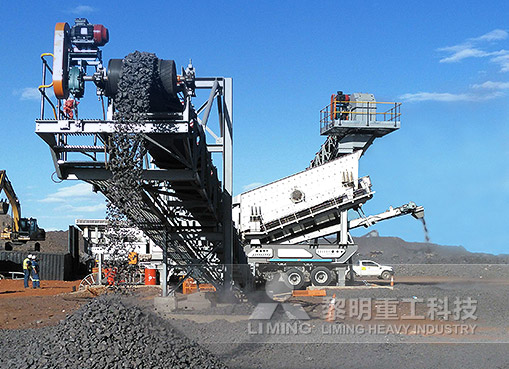
A stationary crushing plant has a permanent concrete foundation and remains in a fixed position throughout the entire life of the open pit mine. It is usually located outside the mining area and has a long service life. A stationary crushing plant consists of a crane truss, feeding equipment, crushing equipment, a buffer hopper, and unloading equipment. Its characteristics are that the crusher is installed on a concrete foundation, has a strong attachment to the ground, and is not mobile, remaining in place for the entire operating life of the mine. Stationary crushing plants are usually located outside the mining area.