Comprehensive Utilization of Tailings: Exploring Green Alternative Methods for Sintered Brick Preparation
Tailings are waste materials generated during the mining process; their large-scale accumulation poses a serious threat to both the environment and public safety. This paper introduces one safe method for tailings disposal—specifically, utilizing tailings to manufacture sintered bricks—and explores the potential and challenges associated with this eco-friendly alternative approach. Furthermore, the paper highlights the significance of sintered bricks within the construction industry and their pivotal role in sustainable building practices. As mining operations continue, the volume of accumulated tailings expands ceaselessly, presenting a formidable threat to the ecological environment and the safety of human life. To address this issue, it is imperative that we identify effective methods for the comprehensive utilization of tailings in order to mitigate their adverse environmental impact.
The utilization of tailings for the production of sintered bricks is widely regarded as a method with immense potential. The chemical composition of iron tailings is rich in non-metallic minerals—constituents similar to those found in conventional building materials—and, following appropriate formulation, these tailings can be employed to manufacture a diverse range of construction products. Research indicates that utilizing iron tailings to produce sintered bricks constitutes an effective strategy for their comprehensive utilization.
However, in the context of utilizing tailings for sintered brick production—particularly during the manufacturing process for decorative sintered bricks—we encounter several challenges. These include difficulties in controlling the properties of the green body (unfired brick), high brick density, and issues such as efflorescence and lime popping; to date, no significant breakthroughs have been achieved in resolving these specific problems.
As a walling material characterized by adequate structural strength, aesthetic appeal, and superior durability, sintered bricks play a vital role in construction. Nevertheless, the traditional production of clay bricks results in the destruction of vast tracts of arable land; consequently, the use of clay bricks has been officially prohibited in my country. Novel products—such as non-fired bricks, steam-cured non-fired bricks, and autoclaved non-fired bricks—have gradually supplanted traditional clay bricks; however, in applications involving underground engineering, building foundations, and rural residential housing, there remains a substantial demand for sintered brick products.
Decorative sintered bricks represent a premium category of sintered products; they possess excellent aesthetic qualities, thereby obviating the need for the application of additional surface finishes. By blending tailings with various raw materials—including plasticity regulators for the green body, drying-performance modifiers, colorants, and fuel—in appropriate proportions, and subjecting the mixture to a specific manufacturing process, high-quality decorative sintered bricks can be successfully produced.
In summary, the eco-friendly and comprehensive utilization of tailings—particularly through the method of manufacturing sintered bricks—holds profound positive significance for alleviating environmental pressures and fostering the sustainable utilization of natural resources. We must continue to explore and conduct research, constantly achieving technological breakthroughs to drive the industrial application of this method, thereby contributing to the construction of a green and sustainable society.

-
-
-
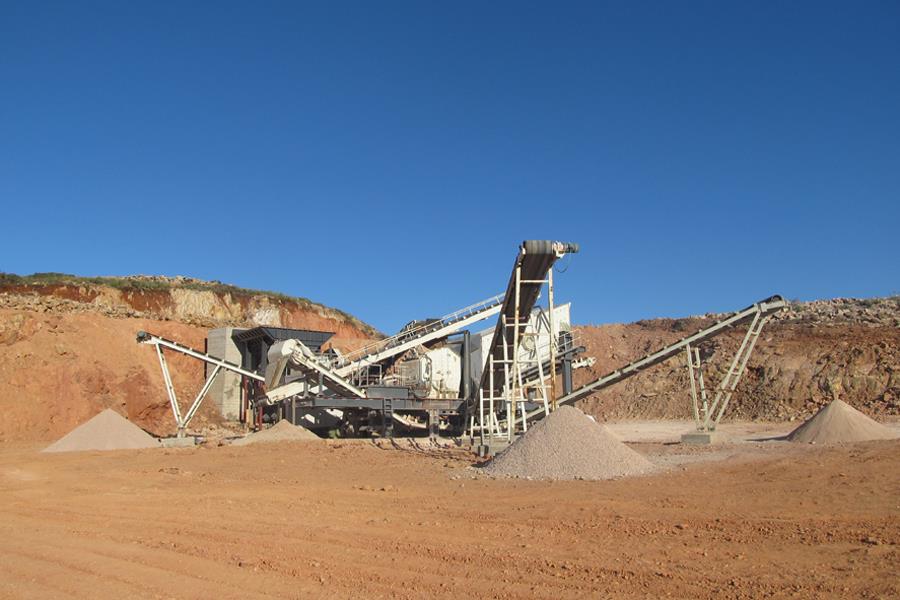
Unlocking High-Efficiency Energy: The Art of Crushing in Iron Ore Beneficiation
-
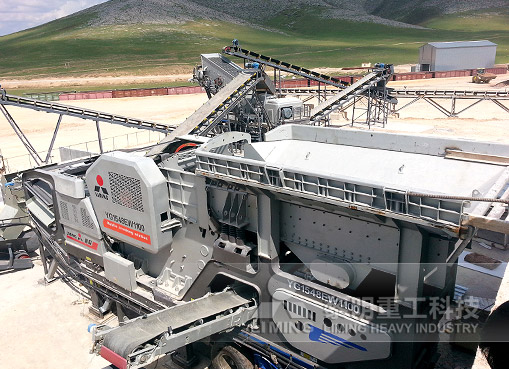
Sand Making Production Line Equipment Configuration: Did You Make the Right Choice?
-
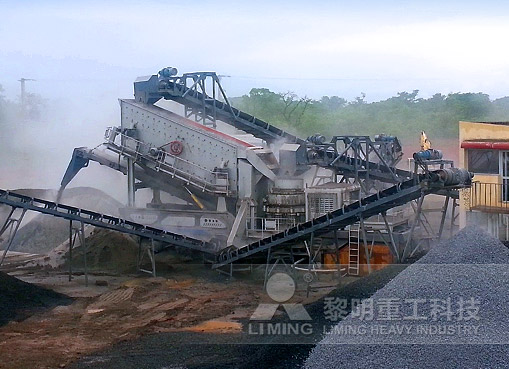
Hunan Limestone VU Premium Sand Production Line Project (220 tons/hour) Enters Operation