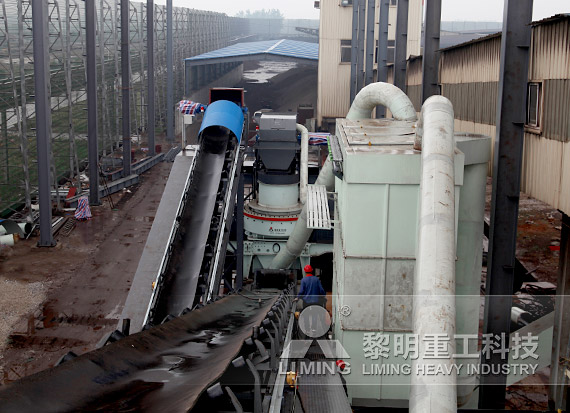
Construction Demolition Recycled Aggregate for Road Subbase and Hydraulic Concrete
Recycled concrete and brick rubble from demolition sites is a low-cost secondary raw material, but it has unique challenges: attached cement paste, variable contamination, old rebar, wood, plastic and clay. Recycled aggregate absorbs more water than natural stone, and old mortar paste on particles can affect concrete shrinkage and strength. The crushing circuit must separate contaminants first and control particle shape and gradation.
Simple one-pass crushing leaves long steel fragments, plastic and excessive mortar fines. Magnetic separation removes rebar, air separation removes light combustible contaminants, and scrubbing can strip excess old mortar for higher-grade products. For structural concrete use, recycled aggregate must be carefully graded and tested; most recycled output is best suited for subbase, backfill and non-structural concrete.
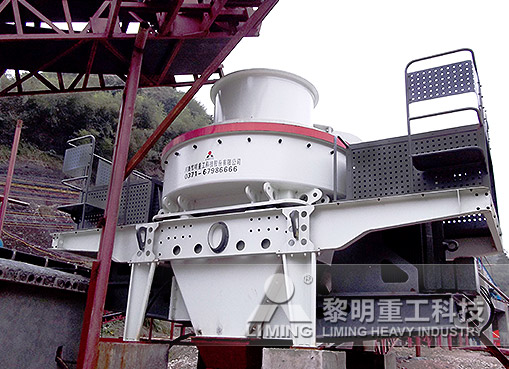
SMP mobile and fixed C&D waste crushing plants use pre-sorting, magnetic separation, air density separation, jaw and impact crushing plus multi-stage screening. They produce separate fractions: clean subbase aggregate, recycled sand and oversized reject material.
This process diverts waste from landfill and produces saleable aggregate, qualifying projects for green building credits.
**Keywords**: C&D waste crushing, recycled concrete aggregate, demolition rubble processing, recycled aggregate subbase, magnetic separation rebar removal

-
Power Consumption Benchmarking for Metal Ore and Aggregate Crushing Circuits
-
Spodumene Crushing Circuit Design for Lithium Ore Liberation in Hard Rock Lithium Projects
-

High-Strength Basalt Aggregate for Airport Runway Pavement: Crushing and Durability Control
-
Spodumene Pre-Concentration with XRT Sorting after Coarse Crushing to Cut Lithium Processing Costs
-
Manufactured Sand for Mass Precast PC Components: Gradation, Powder Content and Volume Stability