Contaminated Spodumene Graphite Ore in Mozambique: Wet Scrubbing Circuit Removes Clay Coating Before Crushing & Flotation
**Keywords**: clay bearing spodumene graphite ore, spodumene graphite scrubbing trommel, wet processing lithium graphite ore, pegmatite with smectite clay
Many lithium-graphite pegmatite deposits in southern Africa are capped and interbedded with soft smectite and kaolin clay. A mine in Cabo Delgado, Mozambique faced exactly this problem. The near-surface ore zone contained up to 17% clay by weight, which coated spodumene and graphite grain surfaces. The original processing route crushed the wet, sticky ore directly, and clay particles blinded screens, plugged chutes, and coated mineral surfaces. When the pulp reached flotation cells, the clay consumed flotation reagents and suppressed graphite flotation; spodumene also failed to respond well to fatty acid collectors, leading to low concentrate grade and unstable recovery. The mine tried adding extra dispersants, but chemical costs became unsustainable, and rainy-season operation was almost impossible.
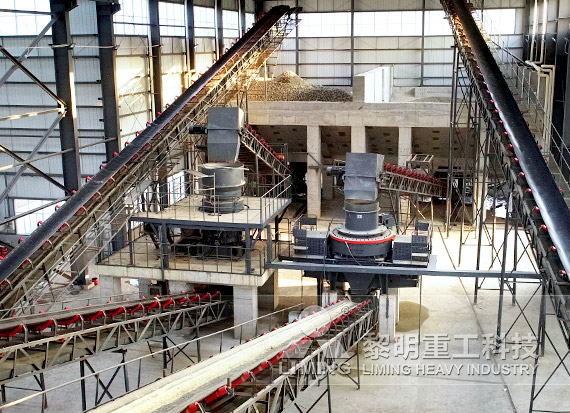
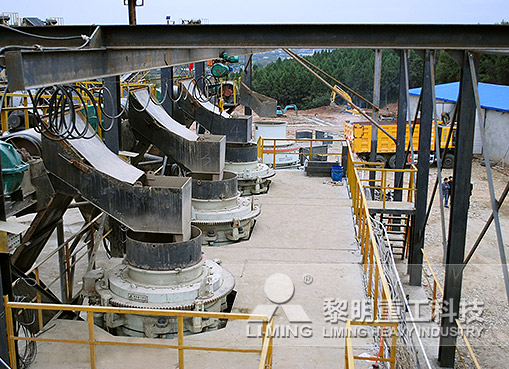
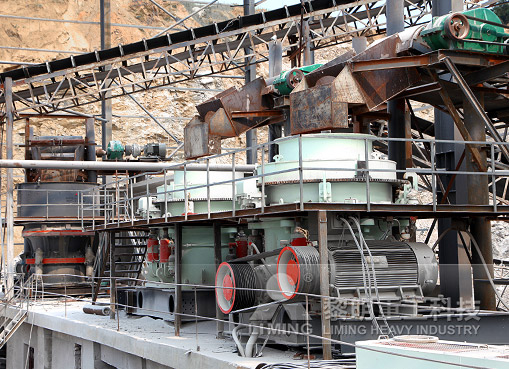
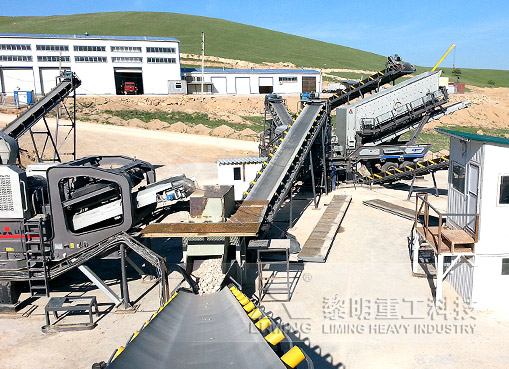
Our solution was to build a front-end wet scrubbing circuit before the main crushing loop. ROM ore is first fed to a heavy-duty apron feeder, then into a large rotary scrubbing trommel fitted with high-abrasion rubber lifters. Water is injected at controlled pressure inside the trommel to scrub off clay coatings from mineral grains. The trommel screen splits the slurry: coarse rock lumps go to the C6X jaw crusher for primary crushing, while clay-rich slime slurry passes to a thickener for water recycling and clay slime disposal. After jaw crushing, the coarse product goes to a HST cone closed-circuit crushing system, and the sized product is combined with the scrubbed fine mineral fraction for desliming hydrocyclone classification ahead of flotation.
We customised the chute liners with ultra-high molecular weight polyethylene panels to prevent wet clay adhesion, and installed water flow meters and online moisture sensors linked to feeder speed control. During commissioning, we ran multiple scrub retention time trials to balance clay removal and avoid over-sludging of graphite flakes. After stabilisation, the clay coating on mineral particles was removed by more than 90%. Graphite flotation recovery climbed from 62% to 83%, and spodumene concentrate grade improved from 5.1% Li₂O to 6.1% Li₂O. The consumption of sodium silicate dispersant dropped sharply, and the plant maintained stable throughput even during the 4-month annual wet season.
The mine’s metallurgists noted an important observation: for clay-affected spodumene-graphite ore, crushing first is the wrong sequence. Scrubbing and desliming must happen before fine comminution. Once clay is ground into ultra-fine slime, it becomes extremely difficult to separate and will poison the entire flotation circuit. This plant has become a local reference case for other shallow pegmatite deposits in northern Mozambique, and several adjacent exploration teams have visited the site to audit the scrubbing flowsheet.