A detailed description of the lithium ore processing technology: a comprehensive analysis from crushing and screening to grinding and classification.
From coal and oil to battery power – the energy transition is fundamentally changing production and life. With the rapid development of the electric vehicle industry, lithium batteries have become a hot topic, earning the moniker "the oil of the new era."
Lithium is a highly reactive element, usually found in the Earth's crust in the form of compounds, mainly distributed in brine lakes, hard rock lithium ore deposits, and lithium clay deposits. Due to limitations related to production costs and technological maturity, lithium extraction from minerals is currently one of the main ways to obtain lithium resources.
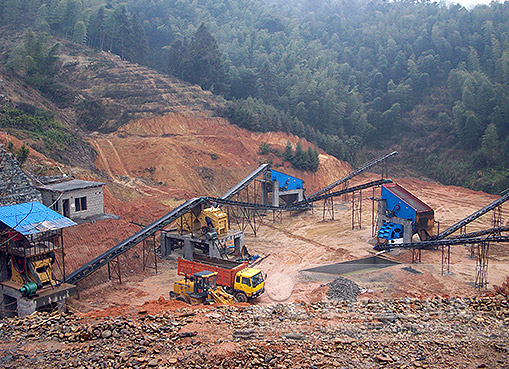
More equipment for lithium ore processing
Lithium Ore Resources and Processing Technology
Lithium ore is usually an associated mineral with a low content of the valuable component; valuable lithium resources often coexist with other substances. To extract pure lithium, spodumene, lepidolite, and other lithium ores need to undergo a series of professional processing steps, including crushing and screening, grinding and classification, flotation enrichment, and magnetic separation of tailings. Crushing, screening, and grinding of lithium ore are at the forefront of the entire process.
Preliminary Crushing and Screening
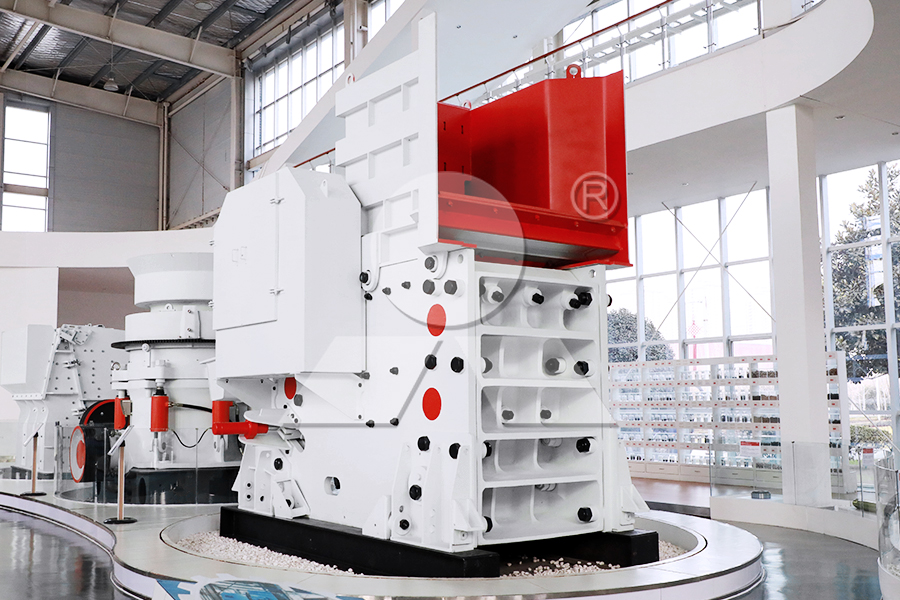
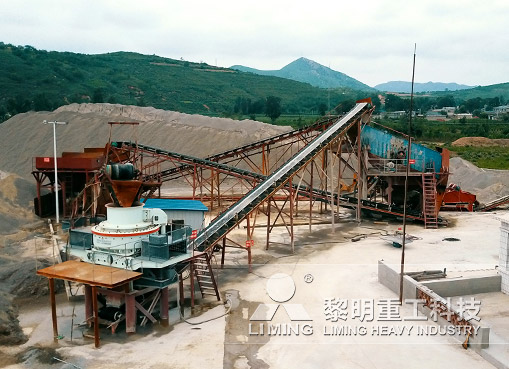
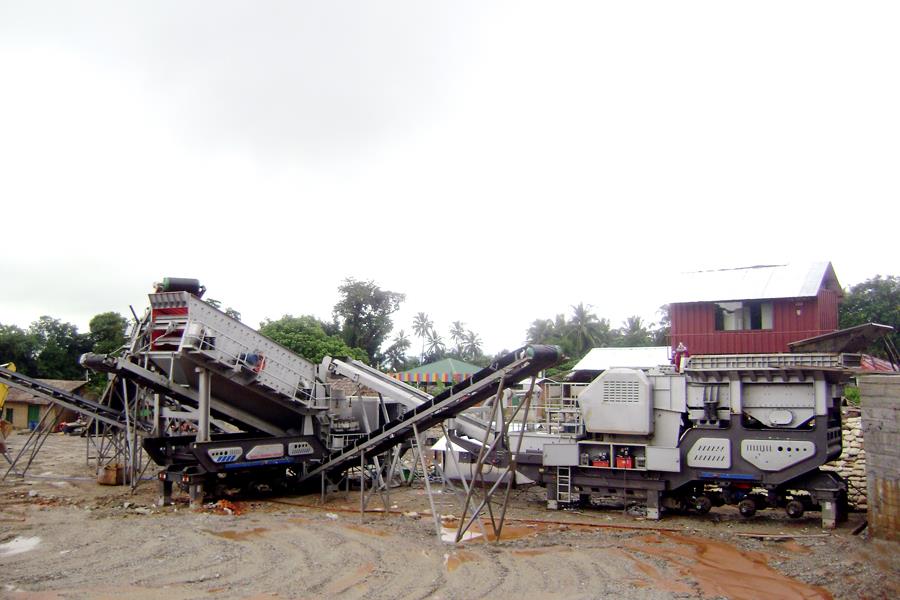
Lithium ore extracted from the deposit is usually large in size and needs preliminary crushing using a jaw crusher. Then, the coarse material is fed into a cone crusher for further crushing, and the resulting material goes to a vibrating screen for preliminary sorting. Materials with an acceptable particle size go to a cone crusher for fine crushing, while substandard materials are returned for further crushing. Finally, fine material smaller than 15 mm is sent to the next grinding stage.
Grinding and Flotation
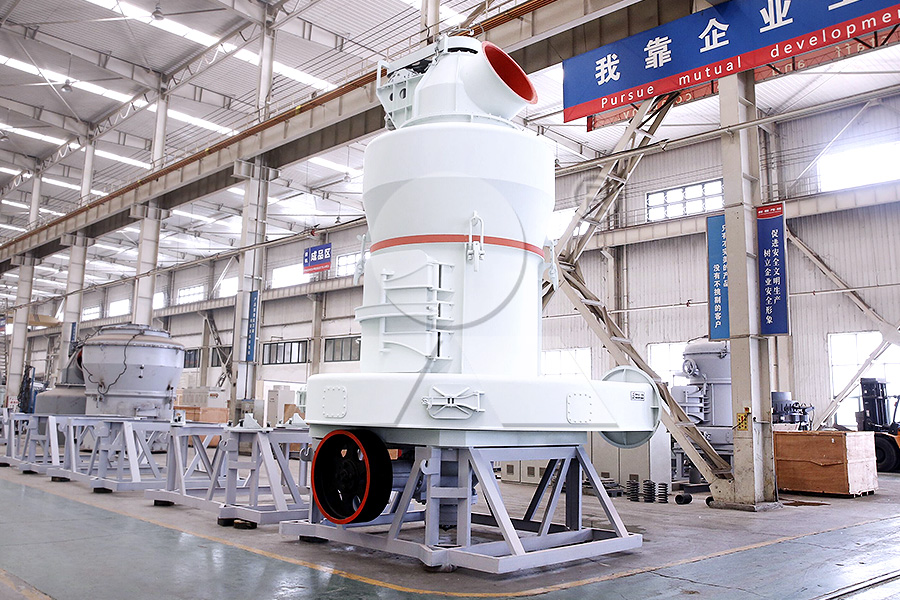
Calcined lithium ore has high hardness and is difficult to grind; a vertical roller mill is recommended. This equipment combines crushing, drying, grinding, classification, and transportation, and can process medium and high hardness ores, with a single machine capacity of 6 to 80 tons per hour. The fineness of the finished lithium ore product should generally be 200 mesh to achieve better flotation results and ensure uniform mixing in subsequent production processes. The vertical mill classifier uses a cage-type classifier and a conical rotary classifier, which provide high classification accuracy and stable product quality, meeting the requirements of high-precision processing of lithium ore in the new energy field.
Technological and Innovative Equipment Solutions
In the process of lithium ore processing, advanced equipment and technologies are crucial. Shibang Group, as a leading enterprise in the industry, offers various efficient solutions for ore crushing and grinding. For example, the SBM Group hydraulic cone crusher not only improves production efficiency but also significantly reduces energy consumption and maintenance costs, providing powerful support for the efficient utilization of lithium resources.
Conclusion
Due to the continuous development of new energy technologies, the efficient utilization of lithium resources has become a subject of close attention in the industry. By continuously optimizing technologies and equipment for processing lithium ore, we can better meet the demand for lithium resources in electric vehicles and other fields, and take the energy transition to a new level.

-
-
-
Where can I find manufacturers of high-quality stone crushing equipment?
-
What types of large-scale stone crushing equipment are used in quarries?
-