Differences Between Dry Sand Making and Wet Sand Making Processes
Dry sand making and wet sand making are two mainstream manufactured sand production processes in the market, suitable for different climate conditions, raw material characteristics and project requirements. Many investors cannot select the appropriate process, resulting in unqualified sand quality and high production costs.
Wet sand making adopts water washing process to remove mud and impurities in raw materials, with high finished sand purity and excellent grain shape, suitable for areas with sufficient water resources and high requirements for commercial sand quality. However, it is not applicable in arid and water-deficient areas such as Central Asian deserts.
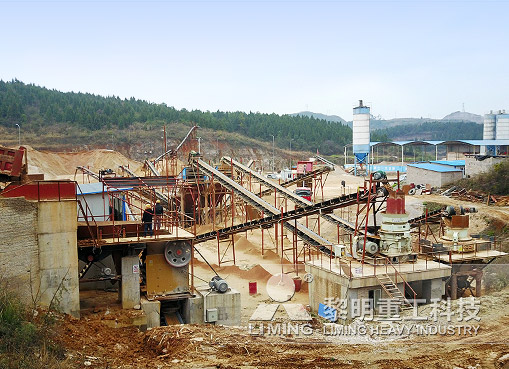
Dry sand making adopts air separation dust removal technology instead of water washing, realizing water-free sand production. It has low operating cost and is not restricted by water resources, very suitable for arid regions and projects with general sand purity requirements. SMP optimized dry sand making system can accurately control powder content to meet high-standard construction needs.
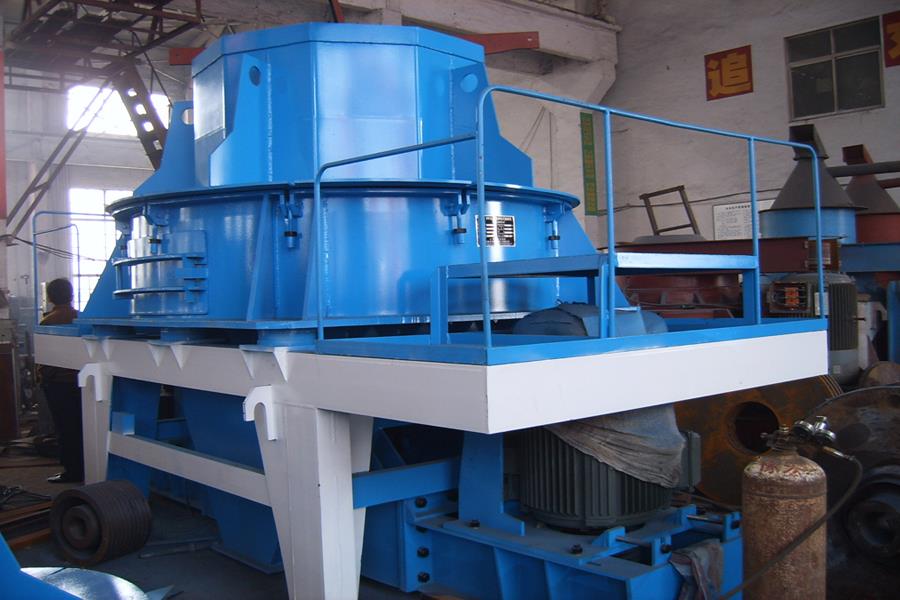
SMP provides targeted dry and wet sand making process configuration according to local climate, water resources and customer product standards, equipped with VSI sand making machines and supporting auxiliary equipment, ensuring high-efficiency and high-quality manufactured sand production in various regions.
Keywords: dry vs wet sand making, manufactured sand process difference, dry sand making plant, wet sand production, sand making process selection

-
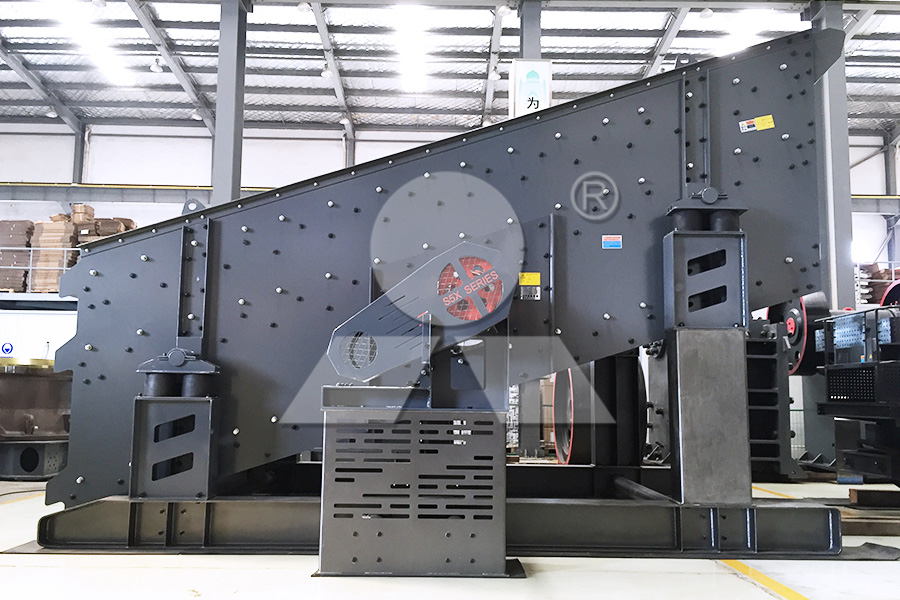
High-Efficiency Screening Solutions for Multi-Specification Aggregate Production
-
-
Solar-Powered Crushing Plant Solution for Off-Grid Mining Areas
-
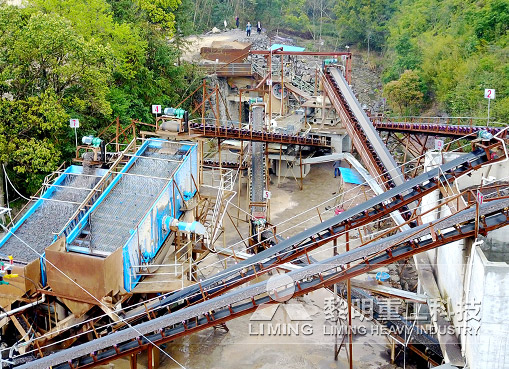
Common Wear Problems and Maintenance Skills of Crusher Vulnerable Parts
-
Complete Construction Waste Recycling Process for Urban Projects