Differences Between Modular Plant and Traditional Stationary Plant
Many quarry investors struggle to choose between modular crushing plants and traditional stationary plants. Traditional plants rely on on-site welding, deep concrete foundations
Send InquiryProduct Details
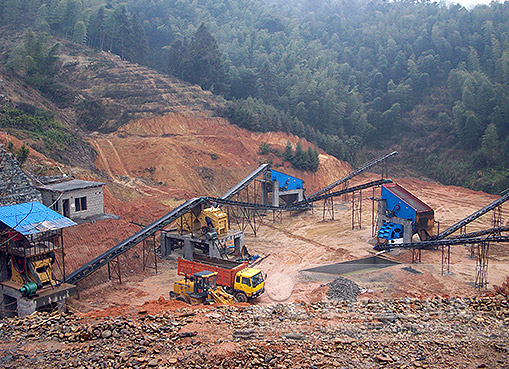
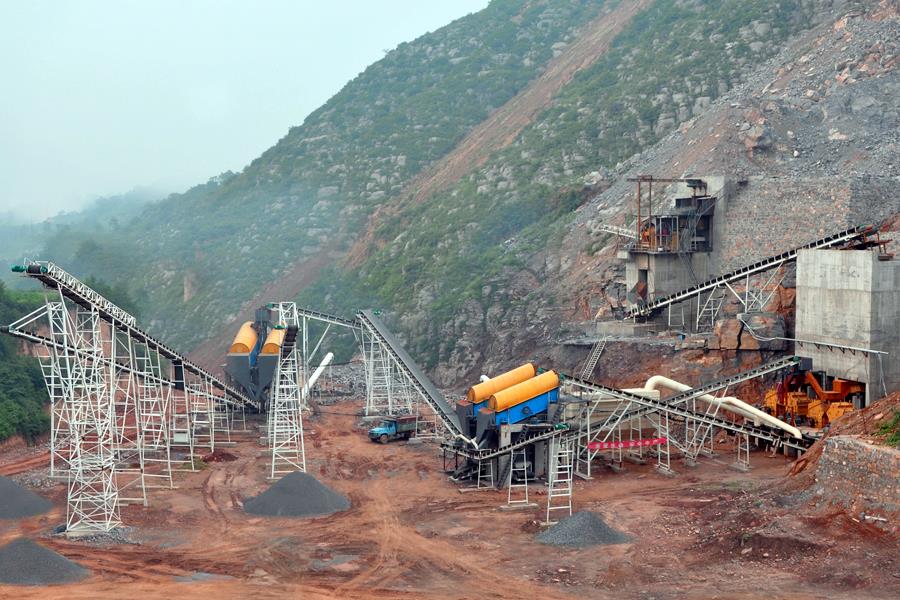
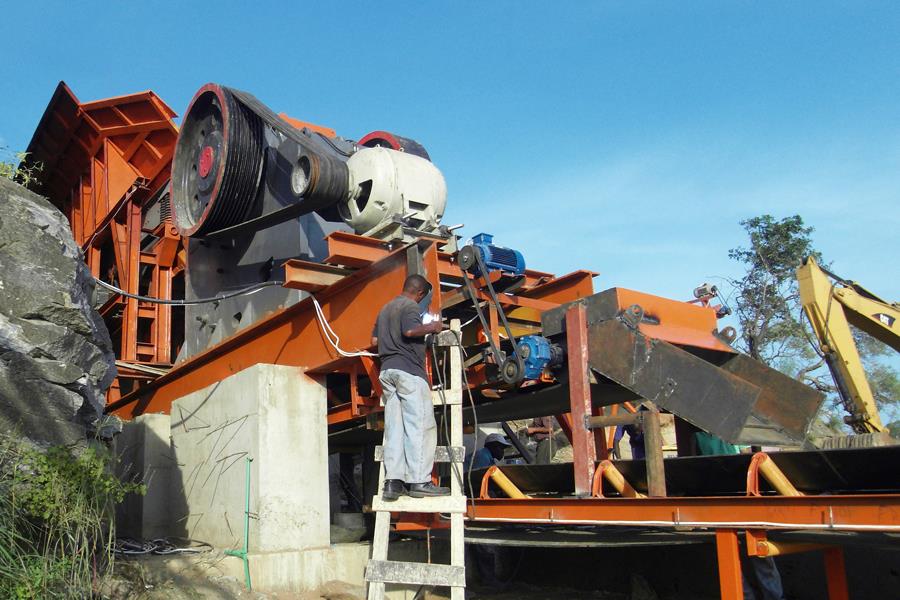
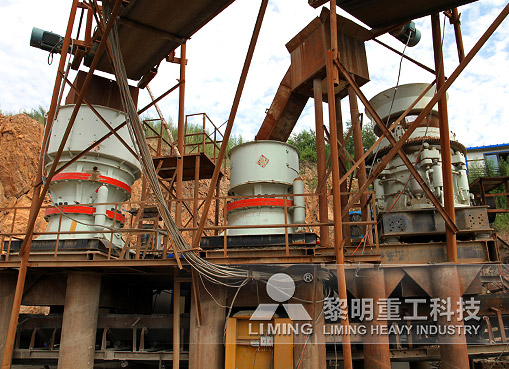
Many quarry investors struggle to choose between modular crushing plants and traditional stationary plants. Traditional plants rely on on-site welding, deep concrete foundations and long construction cycles, while modular plants adopt pre-designed factory manufacturing mode for simplified on-site assembly.
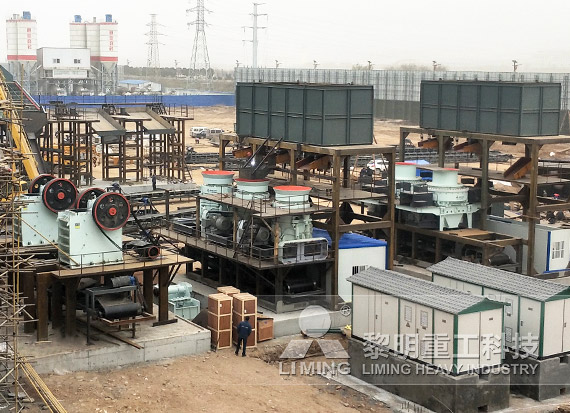
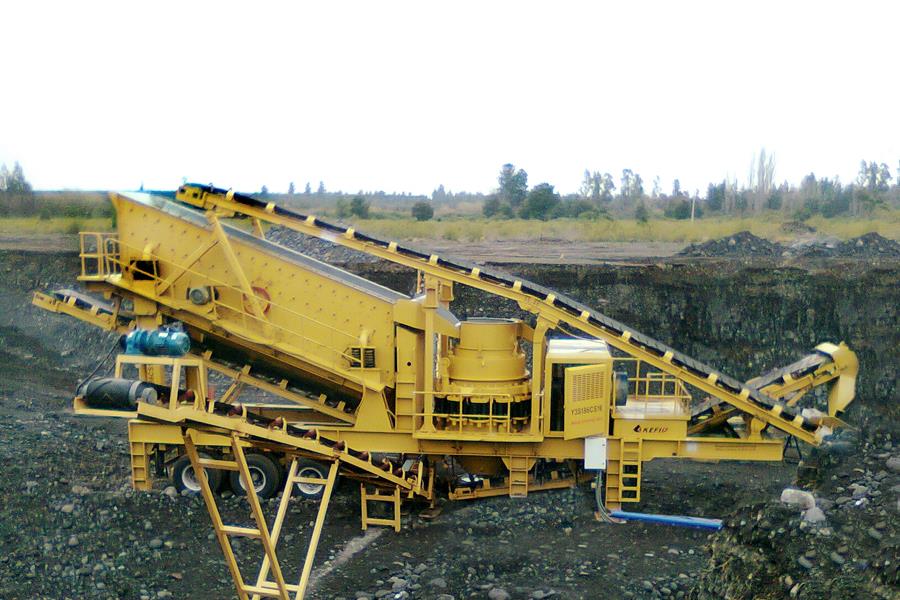
Modular crushing units have standardized container sizes and self-supporting steel structures, requiring minimal civil work. In contrast, stationary lines need complicated infrastructure construction with high labor and material costs. The disassembly and relocation capability is the core difference between the two plant types.
For seasonal mines, multi-site operators and short-term projects, modular solutions deliver higher economic benefits. For permanent large-scale mines with fixed locations, modular plants also support free module combination for customized production flow.
A mining consulting firm in South Africa conducted a one-year comparative test. Modular plants reduced comprehensive investment by 35% and shortened construction period by 70% compared with traditional stationary crushing lines.
For plant type selection guidance, visit https://www.smpcrusher.com.
Keywords: modular plant vs stationary plant, quarry selection guide, pre-designed modules, self-supporting steel frame, mining investment comparison

Related Showrooms
Inquiry