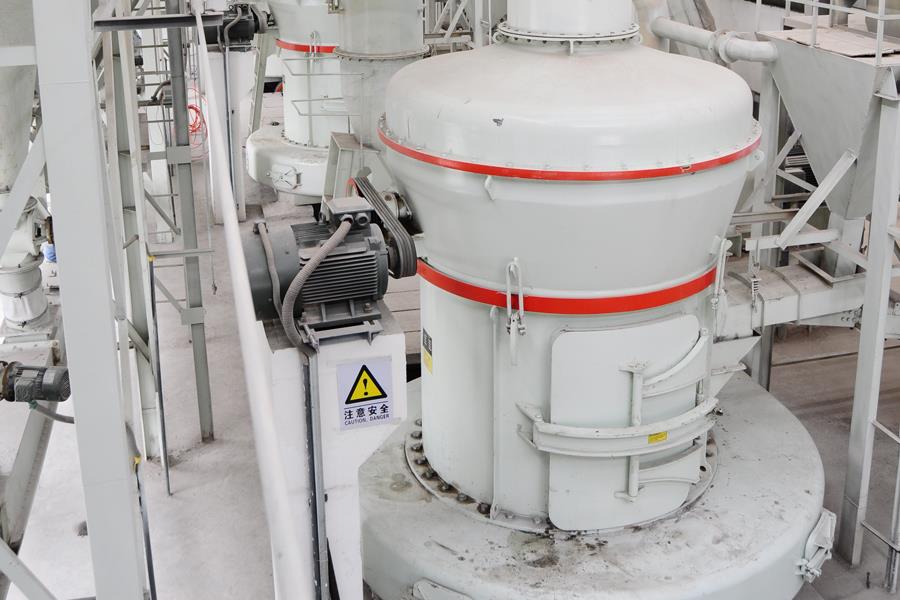
Nickel Laterite Ore Crushing & Agglomeration Preparation for HPAL Process
Nickel laterite ore is clay-rich, sticky and high-moisture, completely different from hard sulphide nickel ore. If crushed too fine, the ore becomes mud and cannot be stacked or fed into HPAL pressure leaching reactors smoothly. The crushing goal is to produce qualified agglomeration feed instead of fine powder.
ROM laterite ore first passes a heavy-duty jaw crusher for primary reduction. A roller crusher is widely used for secondary crushing, because it delivers uniform granular output with minimal fines generation. After crushing, lime or flocculant is mixed with ore for agglomeration. Good permeability of agglomerated feed is essential for acid leaching efficiency.
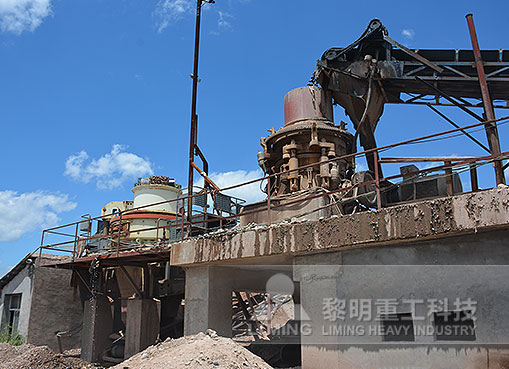
Blockage is the top failure mode for laterite crushing lines. Heavy-duty apron feeders and anti-block chutes are required. Online moisture monitoring adjusts crushing speed. Too wet ore may need stockpile pre-drying before entering the crushing circuit. This crushing preparation section directly determines leaching efficiency of HPAL nickel projects.
Keywords: laterite nickel ore crushing HPAL, nickel laterite roller crusher, laterite agglomeration feed preparation, clay nickel ore crushing

-
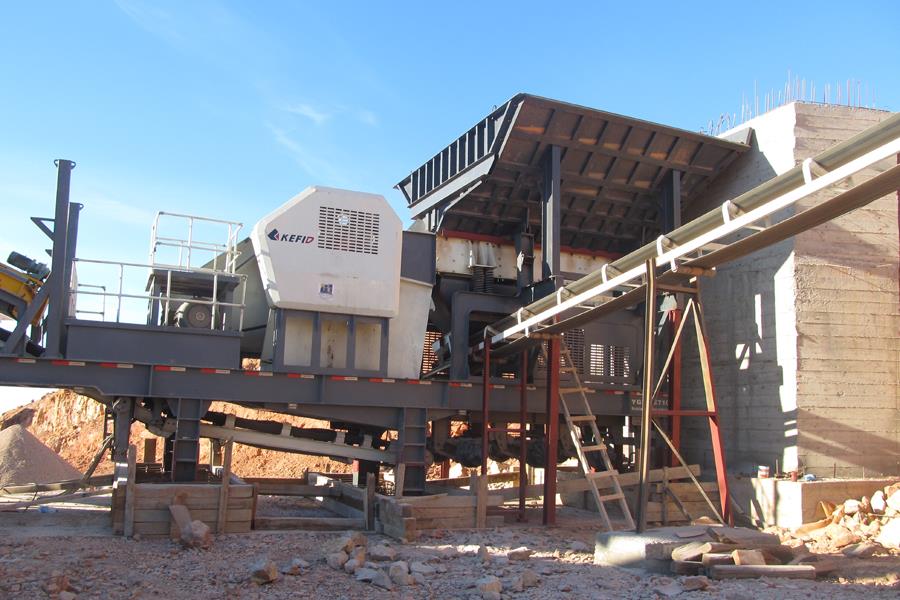
Tin Cassiterite Ore Crushing Best Practice to Reduce Cassiterite Sliming Loss
-
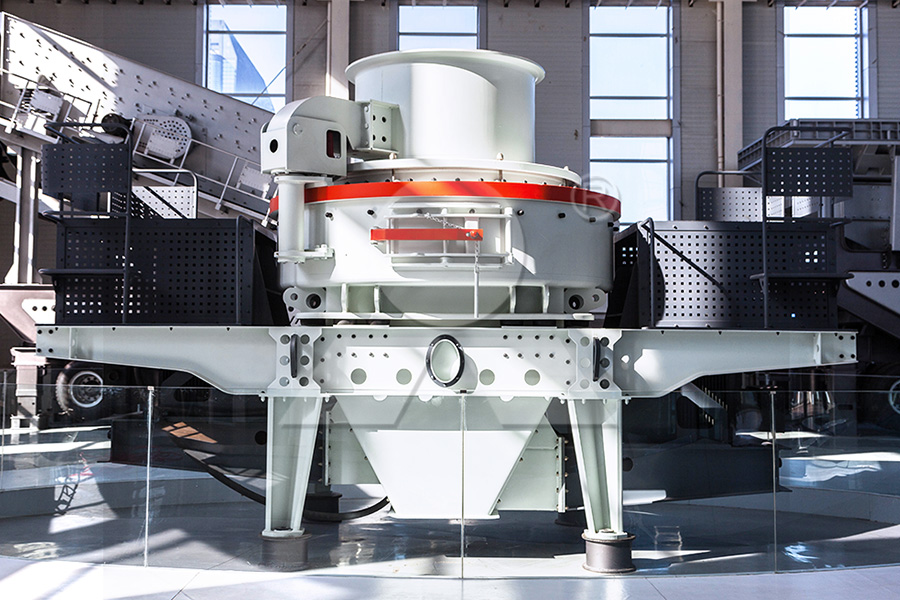
Basalt Aggregate Crushing Plant: Producing High-Strength Road Base & Surface Aggregate
-

Granite Sand & Aggregate Production: Balancing Sand Yield and Stone Powder Content
-
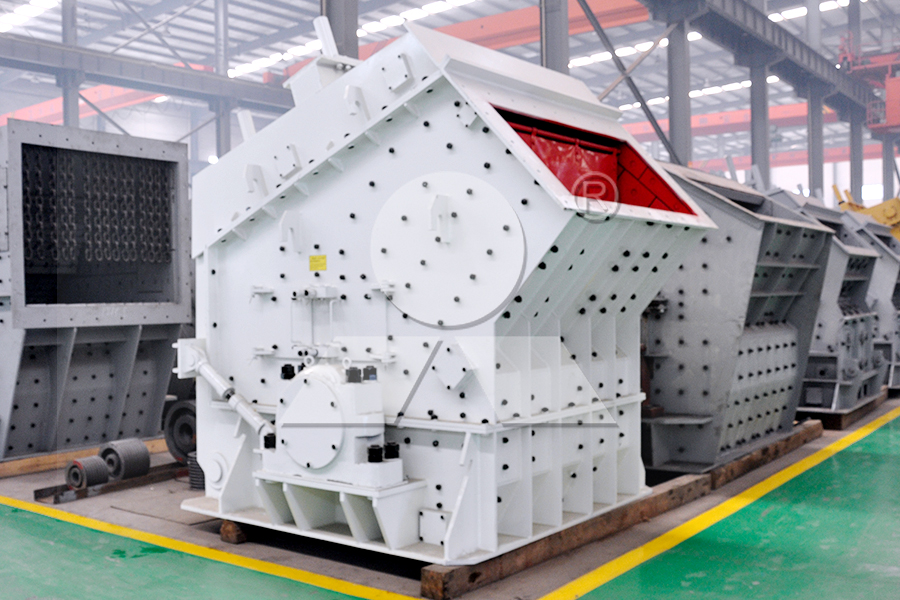
Limestone Crushing Plant for Cement Raw Meal & Construction Aggregate Dual Production
-
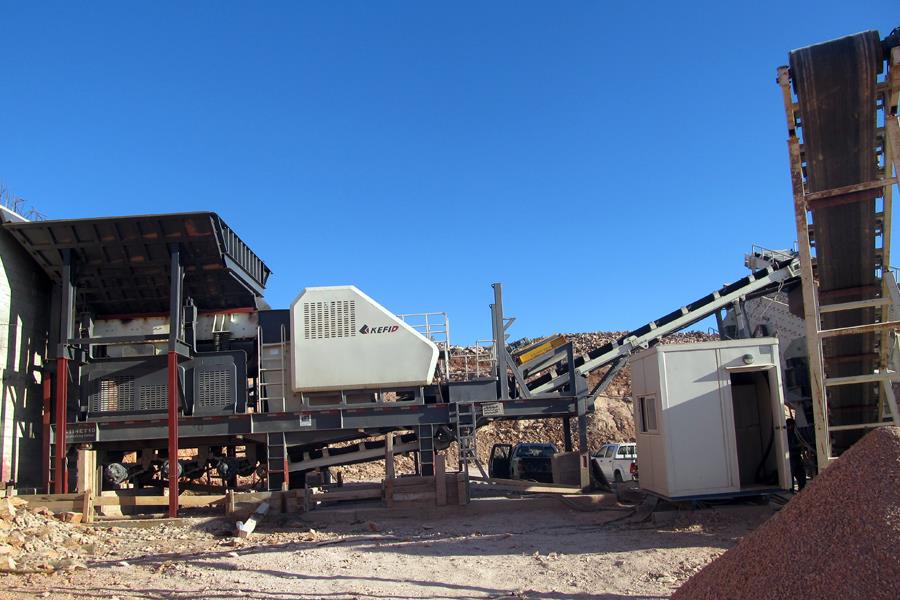
River Pebble Sand Making Plant: Wear Protection & Sand Graduation Control