Spodumene Graphite Ore for Battery Anode & Cathode Supply Chain in Portugal: Low Iron Contamination Crushing Circuit
**Keywords**: low iron spodumene graphite crushing, European lithium graphite ore, low contamination cone crushing, battery grade graphite spodumene
European battery manufacturers enforce strict limits on iron contamination in both spodumene and graphite products. A pegmatite mine in northern Portugal supplies local European converters, and even trace iron picked up from crushing equipment wear can push the material out of battery-grade specification. The ore itself is low in native iron sulphides, but conventional steel crushing contact introduces metallic iron contamination, which is difficult to remove downstream with magnetic separation. The mine needed a low-contamination crushing flowsheet that preserves product purity.
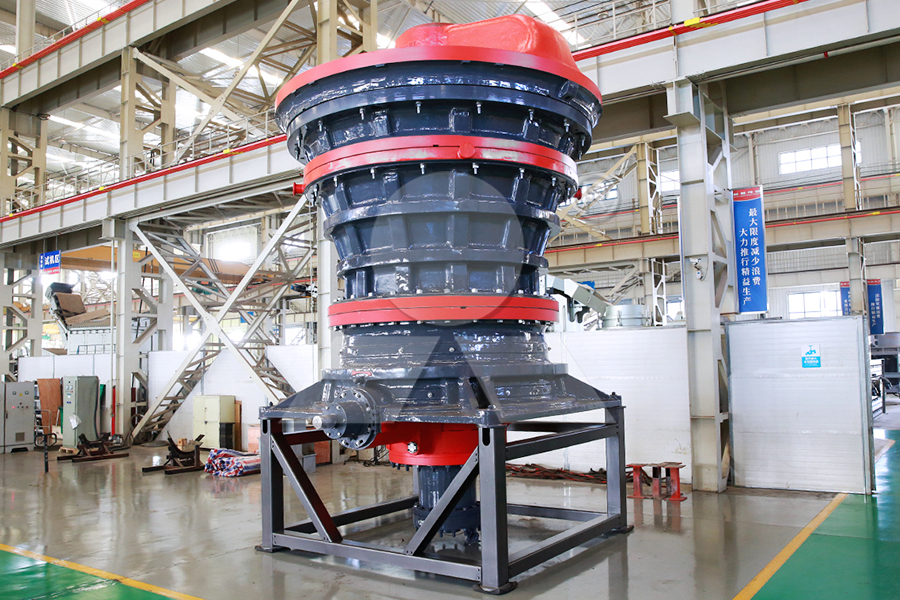
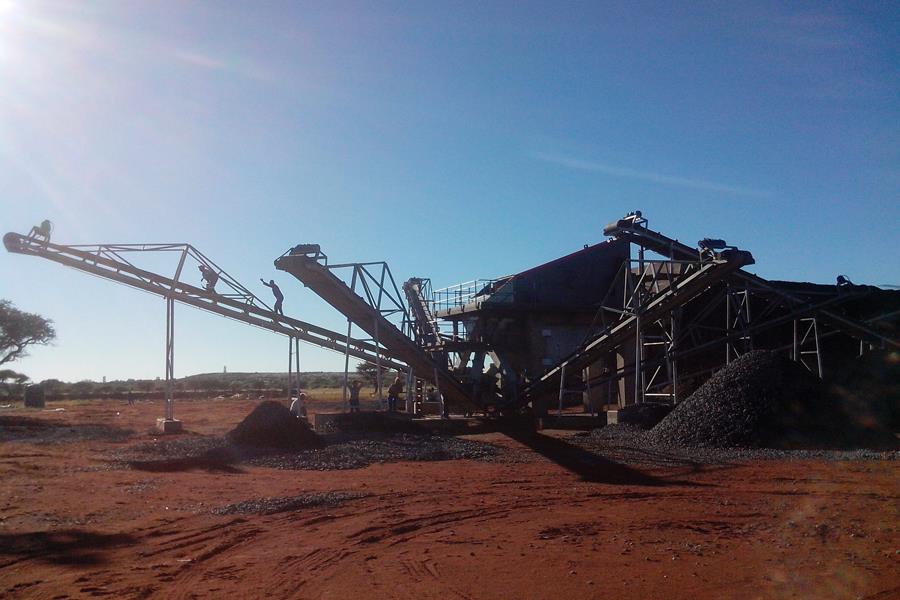
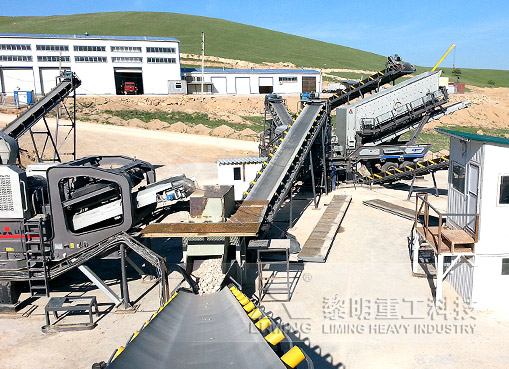
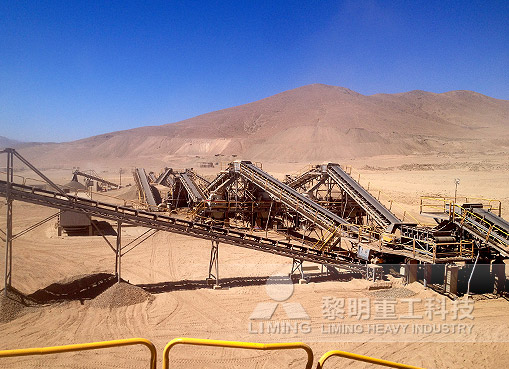
Our engineering team built a modified compression crushing circuit with contamination control built in. The primary C6X jaw crusher uses standard manganese liners for coarse breaking, but the secondary and tertiary HST cone crushers are fitted with high-alumina ceramic composite wear liners in the fine crushing cavity. The transfer chutes and screening surfaces are lined with polyurethane instead of steel where fine spodumene and graphite contact the surface. Multiple stages of high-intensity magnetic separators are placed after each crushing stage to capture any metallic iron generated during comminution. The circuit is strictly compression crushing, no impact crushers, because high-speed impact generates far more metal transfer from rotor and hammer components.
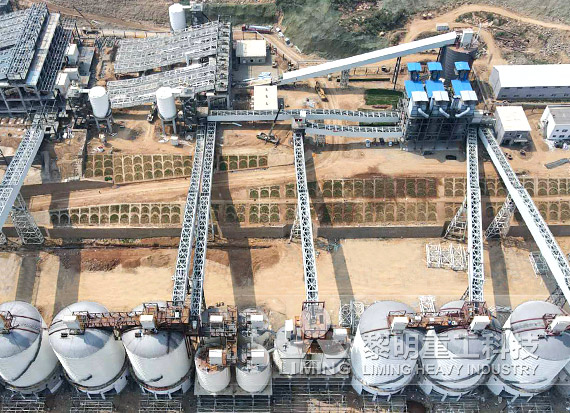
We carried out iron contamination baseline testing before and after the modification. Total iron introduced during crushing was reduced by 84%. The final graphite concentrate meets the EU battery anode specification for trace iron, and spodumene concentrate satisfies the hydroxide converter’s impurity limits. The mine secured multi-year offtake agreements with two European lithium material producers, a major commercial milestone for the project. The plant also runs with tight dust collection systems, as the European site requires strict industrial emission compliance.
This project demonstrates that for battery-grade spodumene-graphite products selling into regulated European markets, contamination control is a core crushing design requirement, not an optional extra. Purity can be lost at the crushing stage, and no downstream separation process can fully reverse that damage.