Spodumene Graphite Ore with Zeolite Gangue in Bolivia: Crushing and Desliming to Reduce Porous Gangue Interference
**Keywords**: zeolite gangue spodumene graphite ore, porous gangue lithium graphite flotation, desliming after crushing, spodumene graphite pegmatite Bolivia
A spodumene-graphite pegmatite in Bolivia contains abundant porous zeolite gangue. Zeolite is highly porous, absorbs water and flotation reagents, and creates froth stability problems in flotation cells. It also readily traps fine mineral particles inside its pore structure, locking up spodumene and graphite value. If zeolite enters the flotation circuit, reagent consumption spikes, and froth becomes uncontrollable. The mine’s first trial plant failed because zeolite was not removed before flotation.
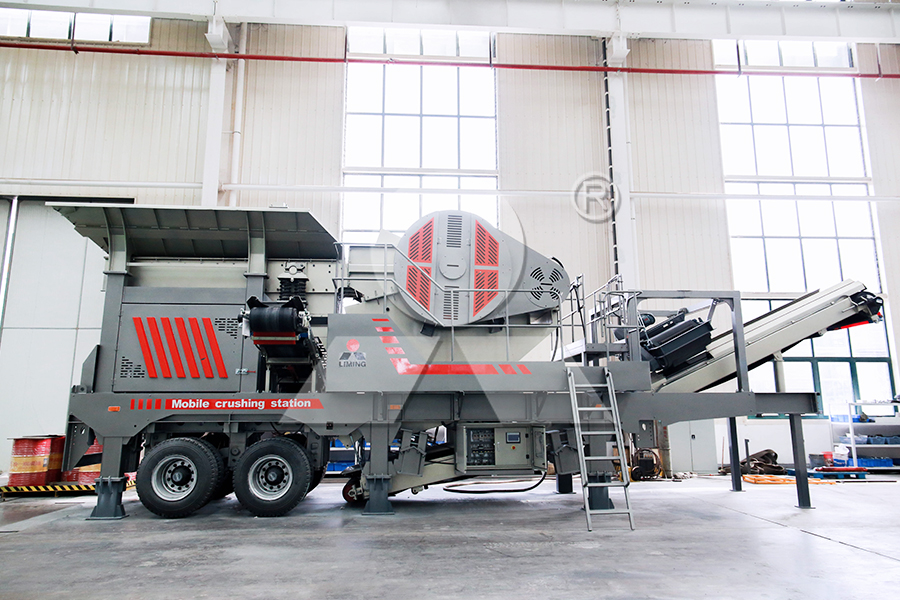
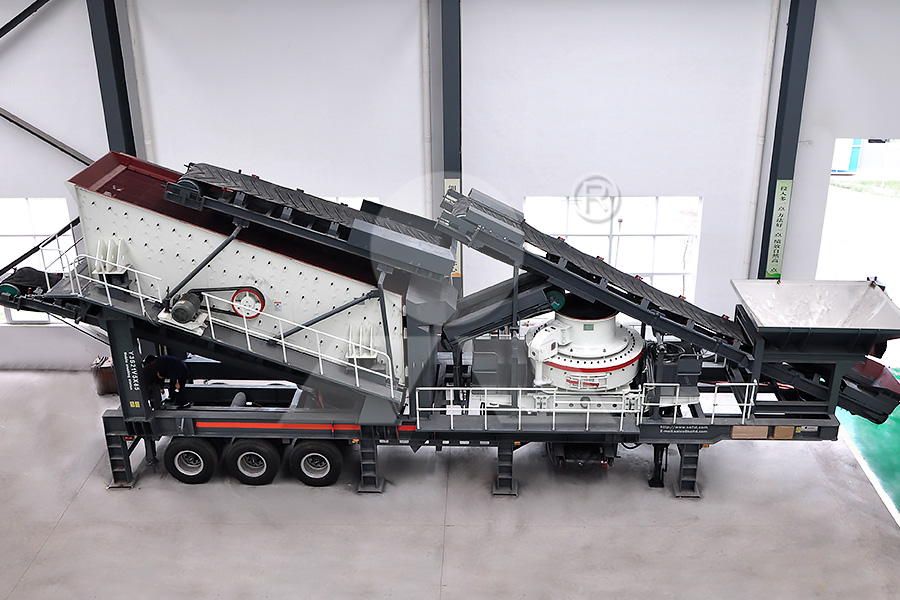
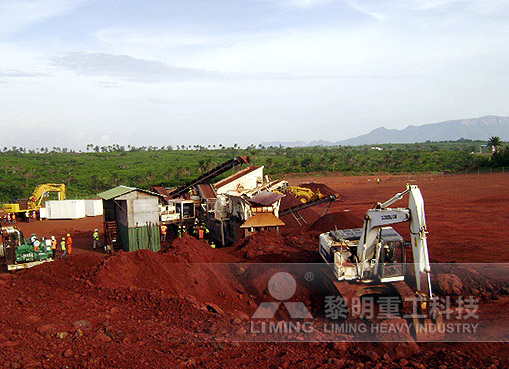
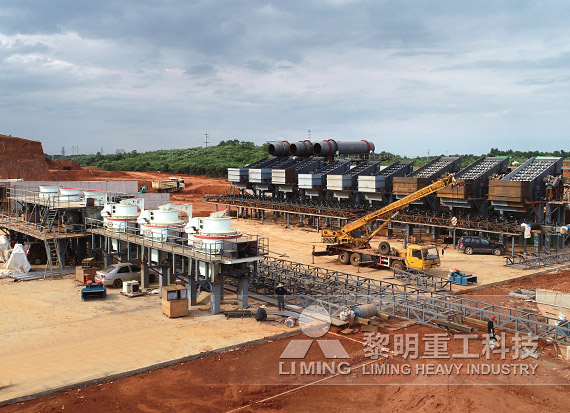
We designed a crushing and desliming sequence. ROM ore is crushed by C6X jaw and HST cone closed-circuit compression crushing, then fed to wet scrubbing and hydrocyclone desliming. The porous zeolite grains are soft and readily disaggregate into fine slime during scrubbing. The hydrocyclone separates zeolite slime from the denser spodumene and graphite grains. The zeolite slime stream is sent to thickener and tailings, and the deslimed mineral fraction moves to flotation. We adjusted cone crushing intensity to avoid over-generating non-zeolite slime, so separation selectivity stays high.
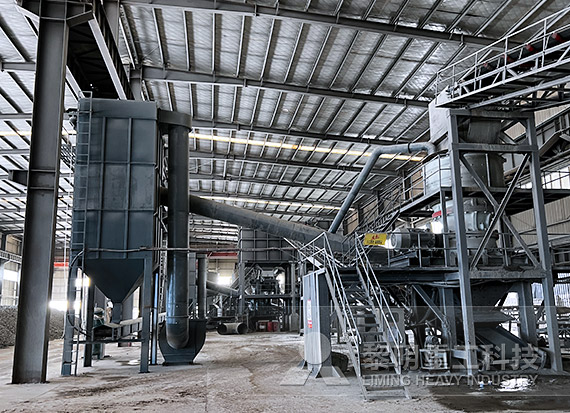
After commissioning, zeolite slime removal exceeded 88%. Flotation froth behaviour stabilised, collector and frother consumption fell dramatically, and spodumene and graphite recovery both improved. The mine’s metallurgists noted that zeolite is a particularly tricky gangue because its damage is not visible by simple visual inspection; the crushing and desliming stage must target the physical breakdown of porous gangue.
The site team now runs daily settling tests on hydrocyclone overflow to monitor zeolite slime loading, and adjusts scrubber water pressure and feed rate as ore from different mining zones changes.