Spodumene Graphite Tailings Retreatment Equipment
**Keywords**: spodumene graphite tailings retreatment, tailings reprocessing for lithium graphite, HST cone regrinding tailings
Historic spodumene graphite tailings stockpiles contain plenty of locked intergrowth grains that were discarded in old plants. A Western Australia mine decided to build a retreatment circuit to recover residual lithium and graphite value. The tailings stockpile assays 0.77% Li₂O and 2.2% fixed carbon.
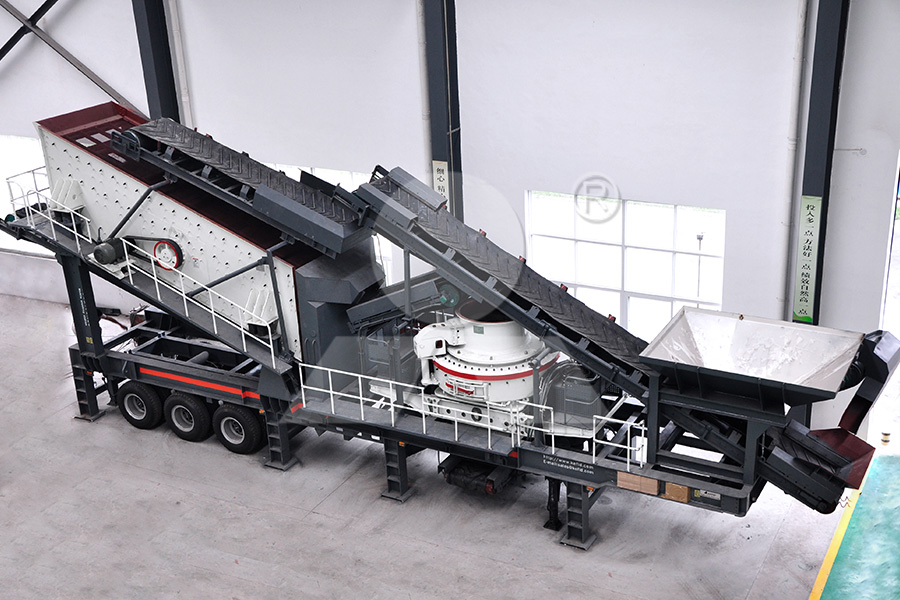
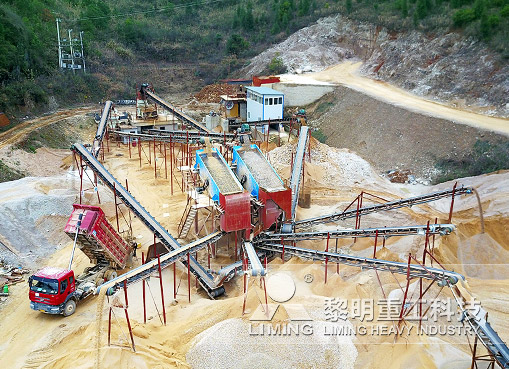
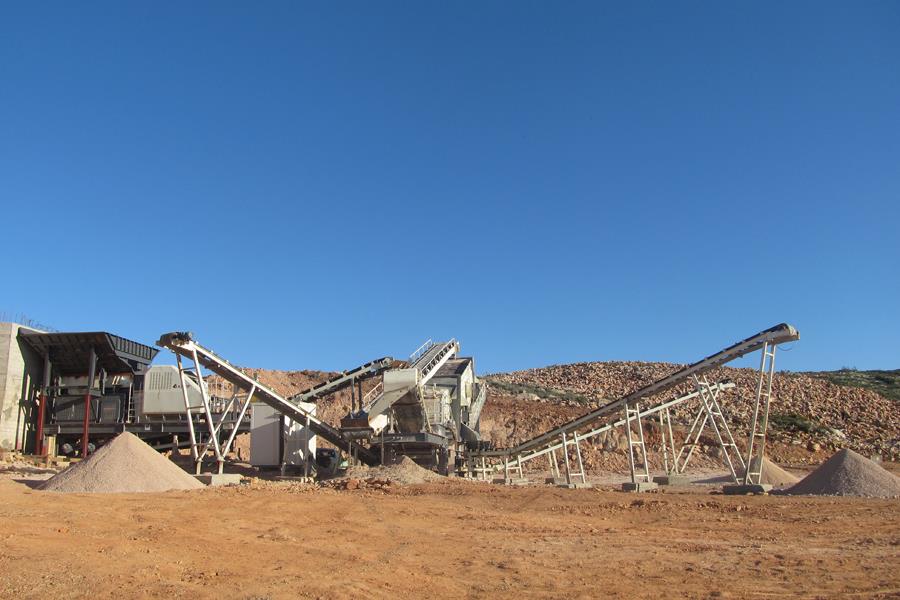
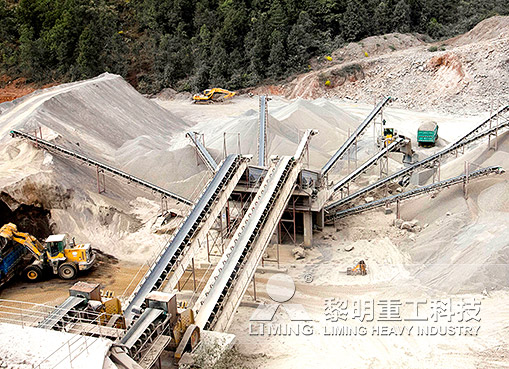
The circuit: loader feeding → scrubber to break dry clay crust → screen out tramp debris → locked oversize send to HST fine cone for selective re-crushing, closed circuit with high-frequency screen. Liberated barren gangue is screened out directly to waste. Only newly liberated spodumene and graphite enter flotation. We avoid pure ball mill regrinding, because high-energy tumbling destroys graphite flakes.
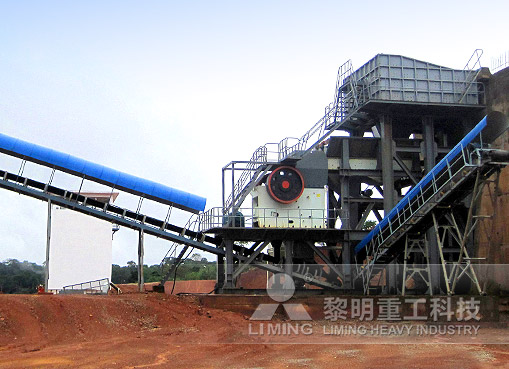
The retreatment plant runs 75 tph feed, 20 hours per day. After 12 months operation, it produces spodumene concentrate 6.0% Li₂O and graphite concentrate 95% fixed carbon. Besides extra revenue, retreatment reduces geochemical risk of tailings storage facility. The operator is preparing a second retreatment line for adjacent tailings dam.
### FAQ
Q1: Is tailings retreatment profitable for spodumene graphite?
A1: It depends on grade and liberation texture. If lots of locked intergrowth exists, the project normally has good return with low mining cost.
Q2: Why use cone crusher instead of ball mill for tailings regrinding?
A2: Cone crusher delivers selective compression breakage. It unlocks composite grains without smashing graphite flakes into unrecoverable slime.
Q3: What test work is needed before tailings retreatment plant design?
A3: Mineralogical mapping, liberation analysis and batch flotation test are required to confirm recovery and reagent consumption.