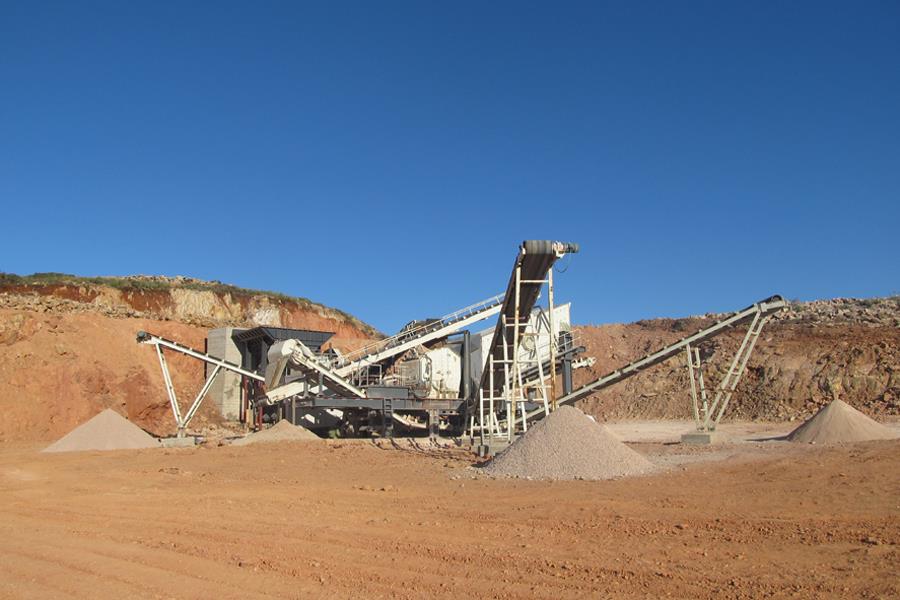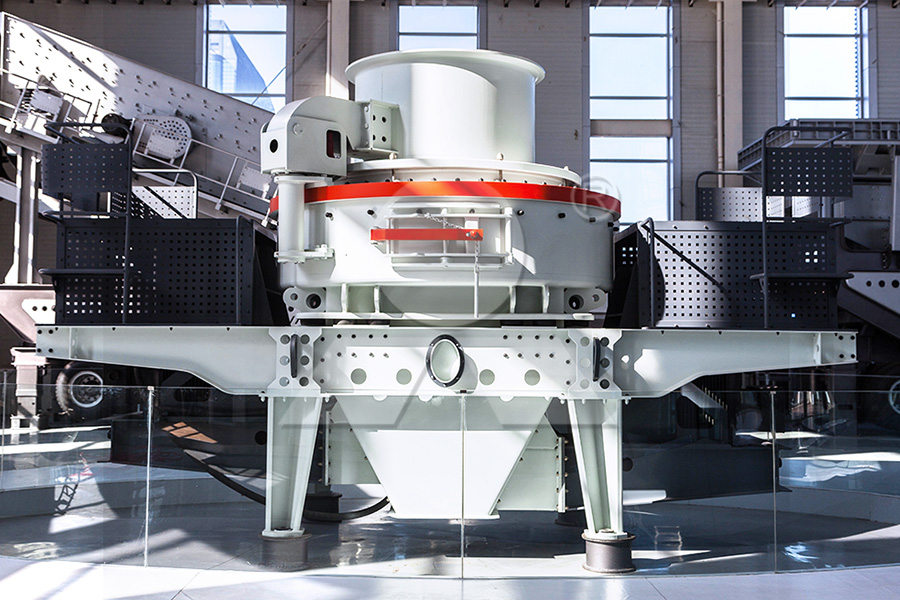
The Construction Waste Comprehensive Treatment Center Project at the Xuzhou Industrial Park has commenced trial operations, with an annual processing capacity reaching 1 million tons.
Recently, the Construction Waste Comprehensive Treatment Center project, located within the Xuzhou Circular Economy Industrial Park, commenced trial operations. This facility marks Xuzhou City’s first comprehensive treatment center for construction waste to feature a dedicated processing line for renovation waste. It is poised to provide robust support and assurance for enhancing Xuzhou’s "Waste-free City" initiative and elevating the level of resource utilization for construction waste.
The Xuzhou Construction Waste Comprehensive Treatment Center (hereinafter referred to as the "Treatment Center") was invested in and constructed by a subsidiary of the Xinsheng Group. Covering an area of 139 mu (approximately 9.3 hectares), the center is divided into three functional production zones: the Construction Waste Processing Zone, capable of treating 1 million tons of construction waste annually; the Non-fired Eco-brick Production Zone, capable of producing 500,000 square meters of non-fired eco-bricks annually; and the Recycled Concrete Production Zone, capable of producing 1 million cubic meters of recycled concrete annually. Once fully operational, the Treatment Center is expected to achieve a comprehensive utilization rate of over 90% for construction waste, thereby saving approximately 65 mu of land that would otherwise be required for waste stockpiling.
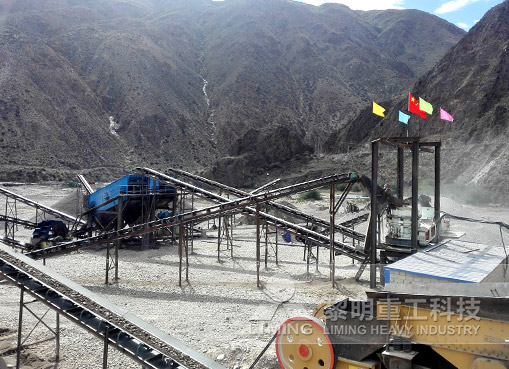
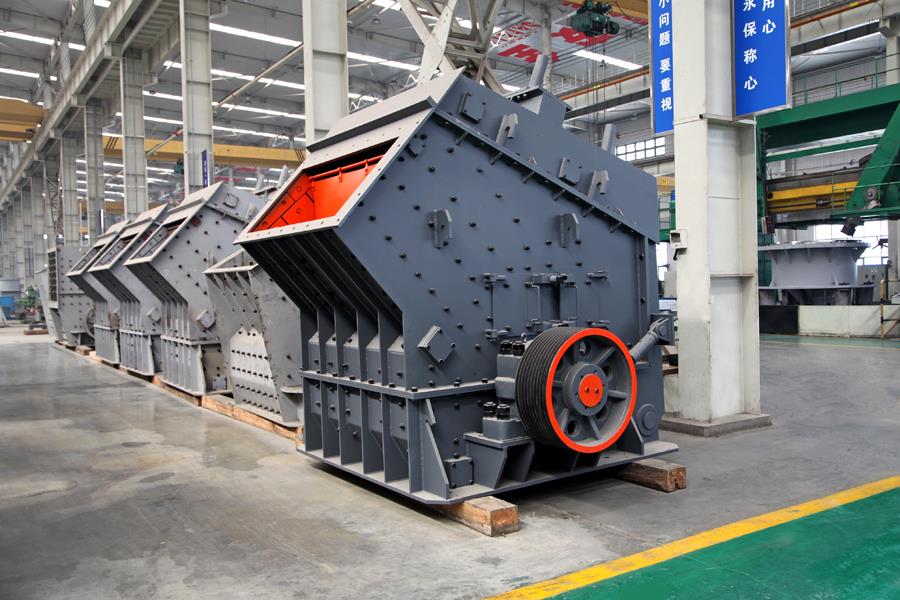
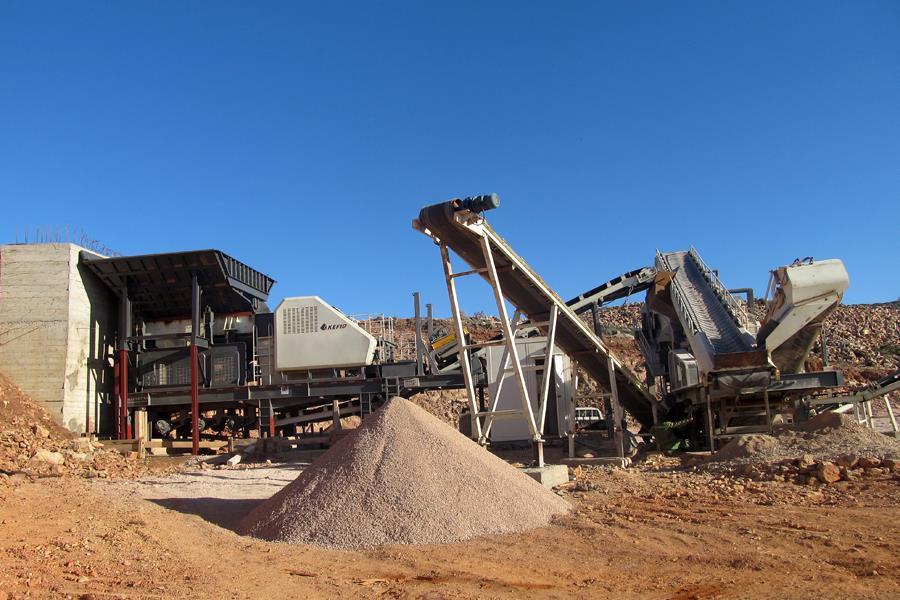
The Treatment Center employs a technologically advanced process design tailored to the specific characteristics of construction waste in China, prioritizing practicality, high efficiency, and zero emissions. The renovation waste processing line utilizes the latest domestic sorting technology—a combination of "two-stage crushing, three-stage screening, and air separation"—to ensure a more thorough separation of light and heavy materials. The entire process generates no solid waste emissions, thereby significantly alleviating environmental pressure on the city. The non-fired brick production line features equipment from Bessell (USA), boasting high levels of automation, intelligence, and digitalization; it is also equipped with a CDS fully automated curing system imported from the UK, placing its overall performance at the forefront of the global industry.
With the strong support and assistance of the municipal government and relevant regulatory departments, the Treatment Center has already processed over 6,000 tons of construction waste during its trial production phase. The operational smoothness, high efficiency, and thoroughness in impurity removal—key performance indicators of the construction waste processing line—have all been successfully validated during the workshop trials.
Through a process of refined treatment, the Treatment Center facilitates the circular utilization of construction waste. The raw materials generated during urban development—including renovation waste, demolition debris, and engineering waste—typically consist of a heterogeneous mixture of components. Only through refined treatment can this construction waste be successfully transformed from "waste into treasure." Utilizing advanced sorting technologies, the Treatment Center separates recyclable metal materials for reuse; further sorts organic waste components; incinerates non-usable waste; and processes fine-grained inorganic materials and small particles for resource recovery. Building upon this foundation, recycled aggregates of various specifications are produced in response to market demand. These processed aggregates can be utilized in applications such as road subbases, stabilized soil, and commercial concrete, or they can be repurposed into bricks for further recycling.
During the trial production phase, the recycled aggregates generated from the processing of construction waste garnered unanimous approval from clients and were successfully incorporated into various projects, including factory sub-base layers and commercial park roadways. The processing of construction waste has not only enabled material recycling—thereby supplying the urban construction sector with substantial quantities of recycled building materials—but has also resolved critical issues regarding the excessive land occupation and environmental pollution historically associated with such waste. Consequently, this initiative has achieved a win-win outcome across economic, environmental, and social dimensions.
Moving forward, the processing center will leverage the opportunities presented by Xuzhou City’s "Waste-Free City" initiative and its campaign to become a provincial model city for urban management. The center plans to fully scale up its production and operations, increase investment in research and development, and actively explore innovative avenues for resource utilization—such as pyrolysis technologies for light-fraction materials derived from renovation waste. By gradually enhancing the level of construction waste recycling and the overall efficiency of waste resource utilization, the center aims to fully unlock the potential of these dormant "resources," thereby injecting fresh momentum into Xuzhou City’s circular economy and high-quality development.