The Influence and Control of Silt Content in Aggregates Used in Concrete Production: Key Measures to Ensure Quality and Performance
The essence of concrete preparation lies in precisely controlling the quality of raw materials, especially the clay content of sand and gravel. When the clay content of the sand is too high, the amount of water required during concrete preparation increases significantly, reducing plasticity and increasing shrinkage. This, in turn, leads to a decrease in concrete strength and an increased risk of structural cracking. Therefore, it is crucial to strictly control the clay content of the sand, ensuring it does not exceed 3% for C30-C50 strength grade concrete. The requirements for high-strength concrete are even more stringent.
Furthermore, clay lumps in the sand and gravel, in addition to causing the same negative effects as high clay content, can further damage concrete strength. The presence of clay lumps weakens the concrete's cross-sectional structure; during pouring, the lumps tend to float to the surface, forming noticeable defects such as pits after drying and shrinkage, severely affecting the appearance and performance of the concrete.
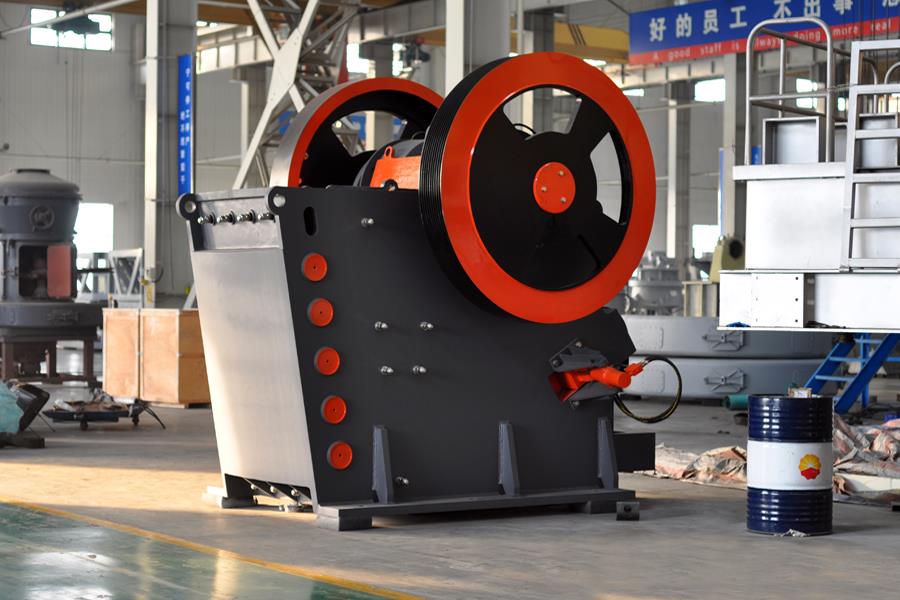
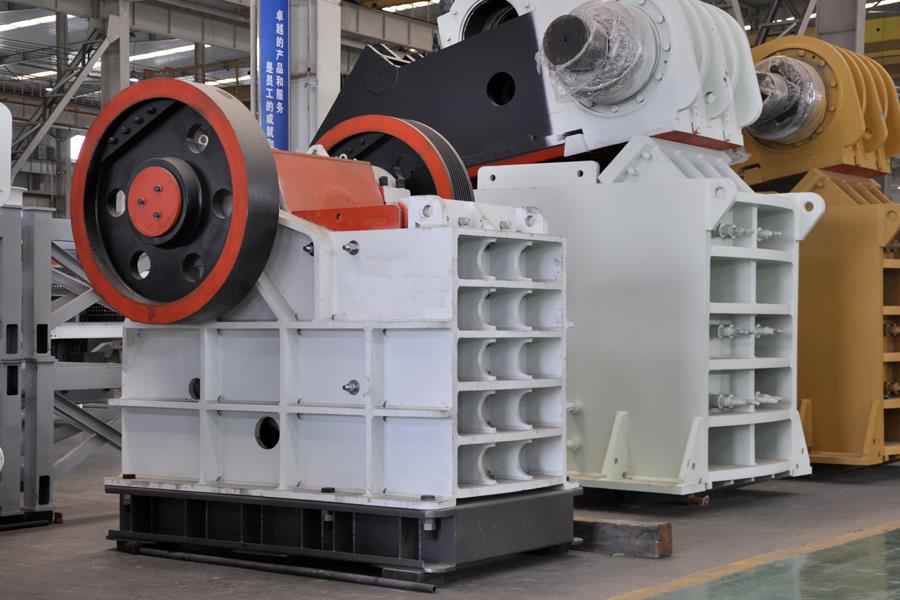
It is also important to note that excessive clay content in raw materials can directly affect processing equipment. Especially in rainy regions with high humidity, clay-containing materials are more likely to enter the crushing chamber of the crusher. During crushing, the clay easily adheres to the jaw plates, and long-term accumulation can lead to excessive soil buildup in the crushing chamber, causing production problems such as outlet blockage.
Therefore, in the concrete preparation process, it is essential to strictly control the clay content of sand and gravel to ensure optimal concrete quality and performance. Simultaneously, the maintenance and management of processing equipment should not be neglected to prevent equipment failures and production problems caused by excessive clay content.

-
Should wet or dry methods be used in the sand production process?
-
What are the differences between jaw crushers and impact crushers in a stone production line?
-
-
-
River pebble sand production: Why has it become a popular choice in the construction industry?