The influence of different lithological types of artificial sand and stone dust on concrete characteristics and corresponding measures to mitigate negative consequences.
In the production and application of concrete, artificial sand and stone powder, as important additives, have a significant impact on the properties of concrete. In particular, artificial sand and stone powder of different lithological compositions affect concrete differently. This article will examine the influence of artificial sand and stone powder on the properties of concrete from perspectives such as lithological composition, dust adsorption, and the interaction of stone powder with plasticizers, and will also propose appropriate countermeasures.
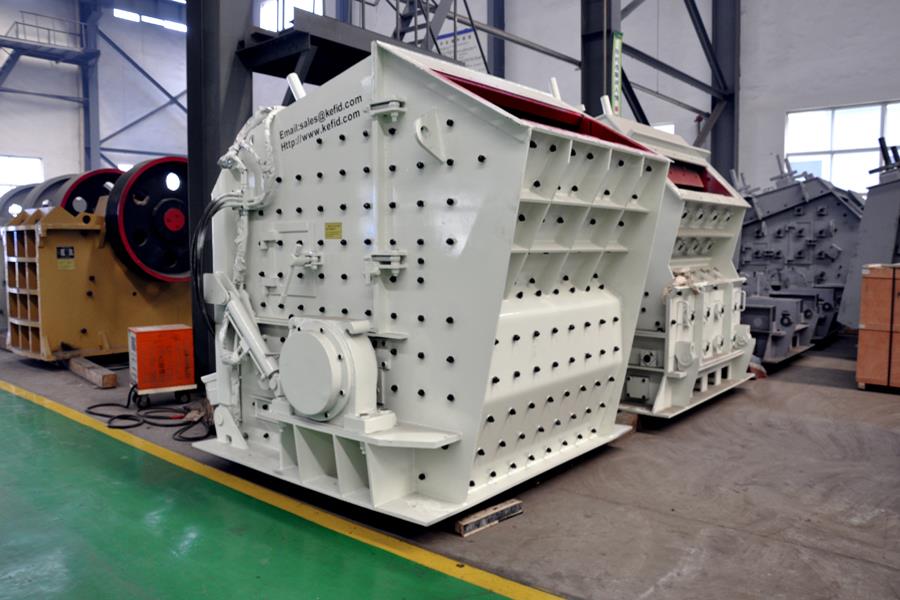
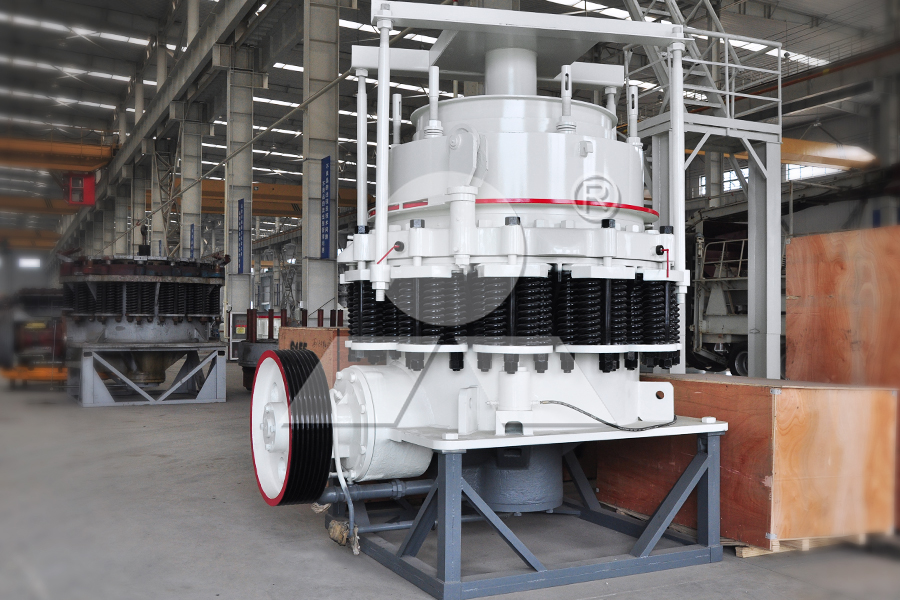
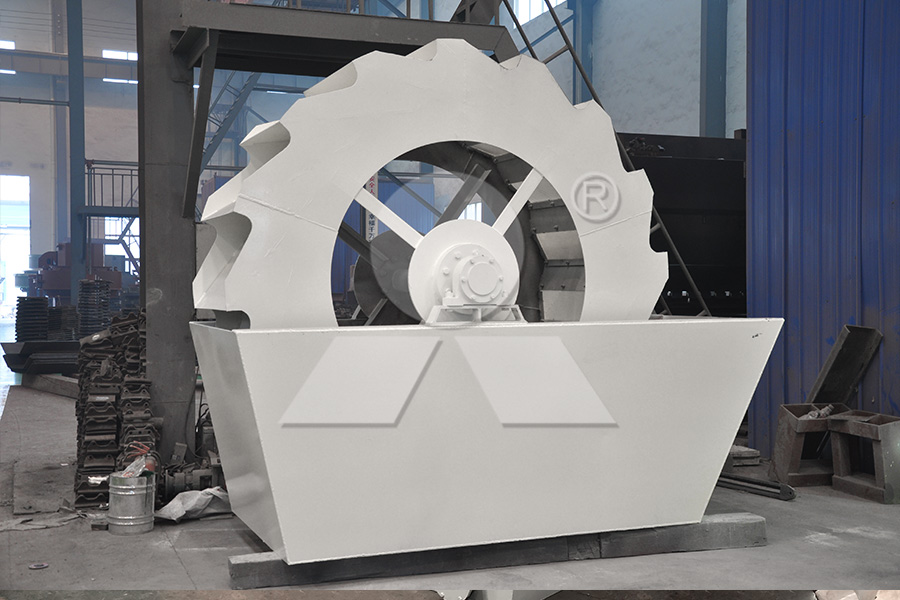
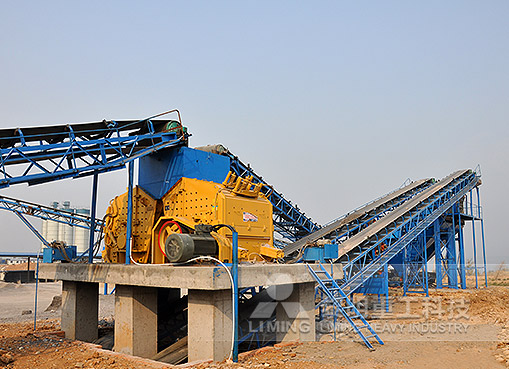
Information about equipment for the production of artificial sand
I. Influence of lithological composition on concrete properties
Artificial sand and stone powder of different lithological compositions differ in water absorption rate and chemical properties, which directly affects the workability and strength of concrete. For example, limestone stone powder has a much lower water absorption rate than siliceous stone powder, and limestone powder has a certain activity and can participate in the cement hydration reaction, improving the properties of concrete. Therefore, in the process of concrete production, the quantity and ratio of artificial sand and stone powder should be reasonably adjusted according to the characteristics of different lithological compositions.
II. Influence of dust adsorption on plasticizers
In concrete, there are differences in the adsorption of plasticizers by various components, such as cement, fly ash, and slag. Generally, the finer the material, the higher the adsorption. This requires us to fully consider the compatibility of the plasticizer with the concrete raw materials when selecting it, in order to avoid deterioration of the plasticizer's properties due to adsorption.
III. Interaction of stone powder with plasticizers
Stone powder plays a dual role in concrete. On the one hand, an appropriate amount of stone powder can improve the cohesion and water retention of concrete, which contributes to improving the workability of concrete; on the other hand, an excessively high content of stone dust increases the adsorption of free water, leading to a decrease in the workability of concrete. Therefore, in the process of concrete production, it is necessary to strictly control the content of stone dust, and the amount of added stone dust should be reasonably adjusted according to the strength class and workability requirements of the concrete.
IV. Countermeasures
Optimization of raw material selection: When selecting artificial sand and stone dust, factors such as lithology, water absorption rate, and chemical properties should be fully considered to select high-quality raw materials that meet the requirements for concrete performance.
Reasonable adjustment of the mix composition: According to the strength class and workability requirements of the concrete, the amount and ratio of artificial sand and stone dust should be reasonably adjusted to ensure optimal concrete performance. Strengthening quality control: During the production process, quality control of raw materials, plasticizers, etc., should be strengthened to prevent deterioration of concrete performance due to raw material quality problems.
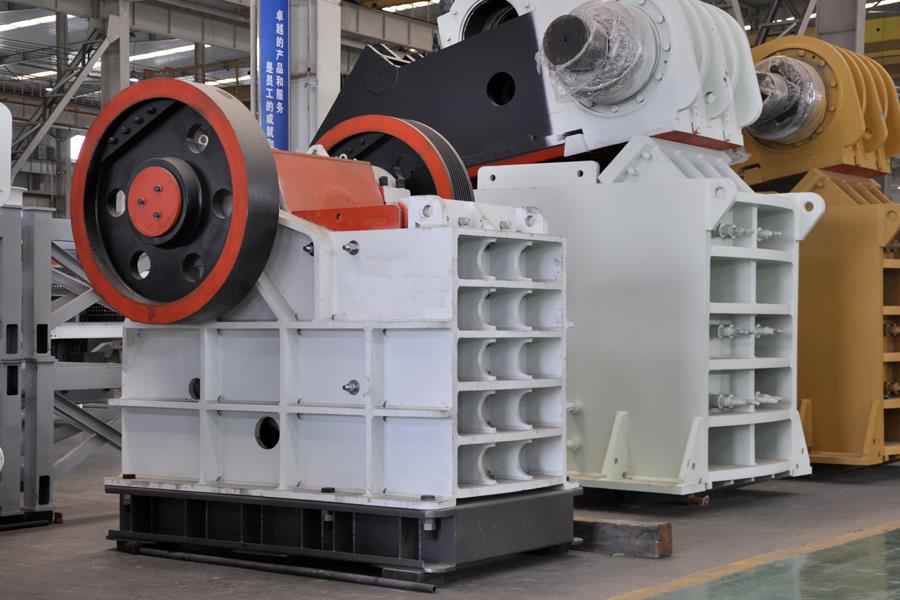
Implementation of advanced technologies: By implementing advanced production technologies and management methods, it is possible to increase production efficiency and the stability of concrete characteristics.
Thus, the influence of artificial sand and stone dust from various types of rocks on the characteristics of concrete is complex and multifaceted. In real production, the influence of various factors should be fully taken into account, and reasonable countermeasures should be taken to ensure optimal concrete characteristics.

-
What factors influence the price of equipment for producing sand from river pebbles?
-
-
The hematite crushing production line in Xinjiang has an annual capacity of 800,000 tons.
-
-