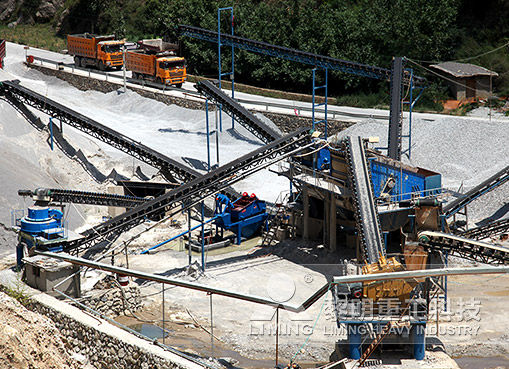
Tungsten Ore Crushing Circuit Tuning for Scheelite and Wolframite Liberation
Tungsten is a critical high-density strategic metal widely used in cutting tools, aerospace alloys and carbide production. The two main commercial tungsten minerals, scheelite and wolframite, behave very differently during crushing, which is why generic hard-rock crushing flows often deliver poor tungsten liberation and heavy metal loss into tailings. Wolframite is brittle and tends to slime readily when over-crushed, while scheelite is tougher and often locked tightly within quartz and feldspar gangue. Unlike aggregate production that prioritizes particle shape, tungsten crushing targets selective liberation: breaking along mineral grain boundaries instead of smashing everything into ultra-fine slime.
Many small tungsten mines run a simple jaw + impactor setup to save capital, unaware that impact crushing creates excessive tungsten slimes. Fine tungsten particles are hard to capture via gravity separation, the standard beneficiation method for tungsten ore. Once tungsten turns into slime, it washes away in tailings water, dragging down overall recovery and eroding project profitability. Even when ore grade looks acceptable on assay reports, poor crushing control can cut recoveries by 15% or more. Feed moisture also complicates operations; clay-bearing tungsten ore agglomerates, blinds screens and creates uneven feed into secondary crushers.
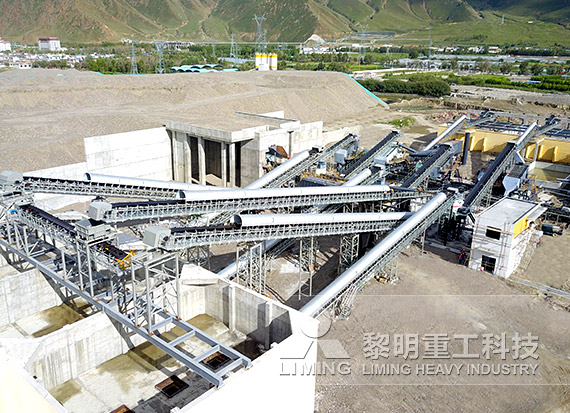
SMP develops tailored staged crushing circuits for tungsten deposits, separating flows for wolframite-rich and scheelite-rich ore bodies. Primary heavy jaw crushers handle large run-of-mine blocks, followed by low-speed laminated cone crushing for secondary and tertiary reduction. Closed-circuit high-frequency screens return oversize rock back to the cone, holding the mill feed tightly within a narrow particle band. We avoid high-energy impact crushing in the main reduction stage to suppress slime generation. Pre-screening ahead of the jaw removes clay fines, preventing buildup and choke-ups.
After controlled crushing, the liberated tungsten grains go to gravity concentrators such as jigs and shaking tables, followed by scavenging flotation for fine scheelite. Operators see stable tungsten recovery, less valuable mineral lost to tailings, and fewer slime-handling headaches. This process is suitable for vein-type tungsten deposits, skarn scheelite ore and mixed tungsten-tin ore bodies.
**Keywords**: tungsten ore crushing, scheelite liberation, wolframite processing, gravity separation feed preparation, tungsten slime control
-
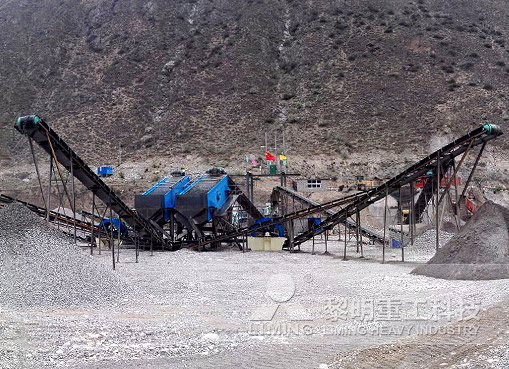
Basalt Aggregate for Asphalt Surface Courses: Crushing Cavity and Gradation Control
-
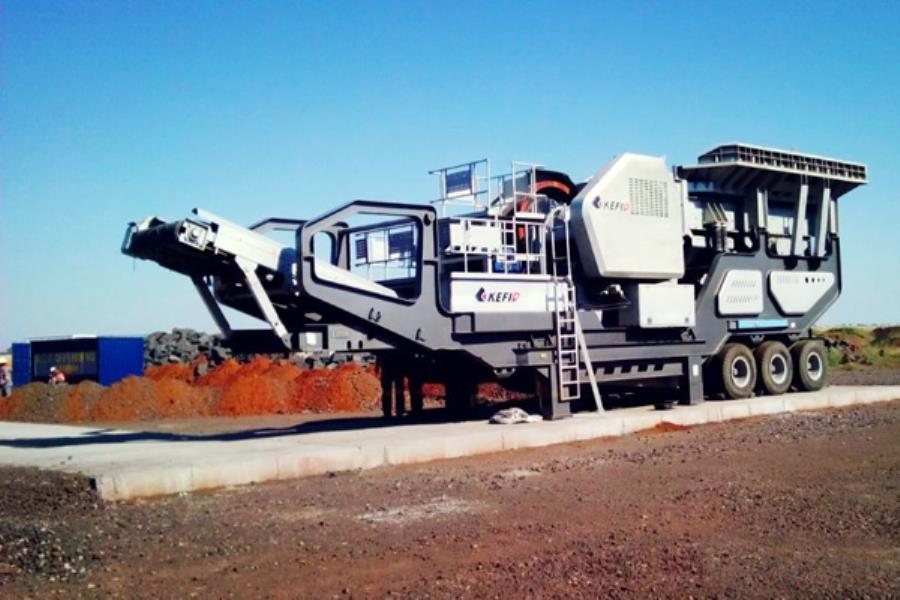
Tin Ore Crushing & Pre-Sorting for Cassiterite Recovery Before Grinding
-
-
Nickel Laterite Ore Crushing and Agglomeration Prep for Hydrometallurgical Processing
-
Gypsum Crushing Process for Plasterboard, Cement Retarder and Agricultural Gypsum