Unveiling the Raw Materials for Manufactured Sand: Which Rocks Are Suitable for Sand Production? What Makes Sand Production from Construction Waste Unique?
Among the vast array of stone materials available, how does one select the most suitable raw materials for sand production? Particular attention is often paid to construction waste; how does it differ from other sources of machine-made sand?
As is widely known, the supply of raw materials for machine-made sand is virtually inexhaustible; common natural stones—such as bluestone, pebbles, basalt, granite, and weathered rock—can all be utilized for sand production. However, with the expansion of national infrastructure projects, the volume of construction waste has been steadily increasing. If not properly treated and recycled, this waste can have a significant negative impact on the environment. The question then arises: can construction waste serve as a viable raw material for producing machine-made sand?
The answer is an emphatic "yes." Construction waste has already become a widely accepted raw material for machine-made sand. So, how does the process of producing sand from construction waste differ from that of using conventional natural stones? What, exactly, does the sand-making workflow entail?
**Processes and Equipment for Recycling Construction Waste**
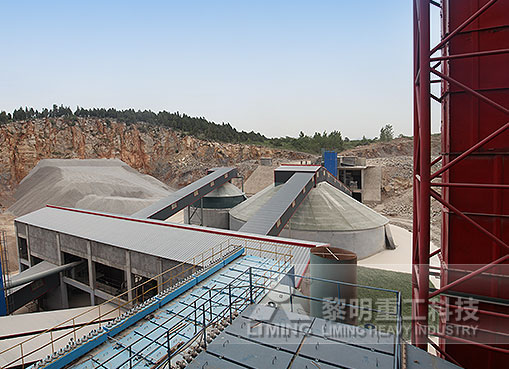
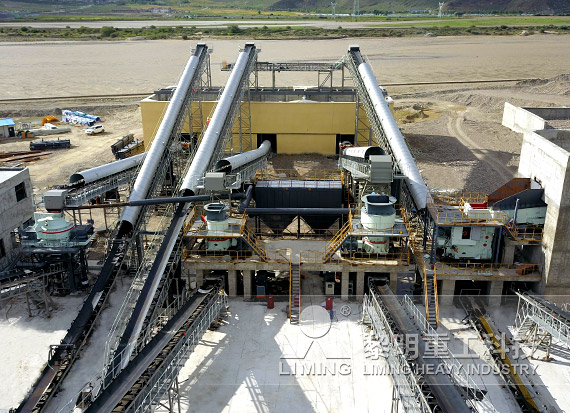
Recycling and reusing construction waste necessitates the establishment of large-scale processing production lines. Currently, investors—driven by environmental concerns—increasingly prefer to construct dedicated facilities for the recycling and treatment of construction waste. By conducting these operations within enclosed workshops, various forms of pollution can be minimized, thereby achieving low-emission production.
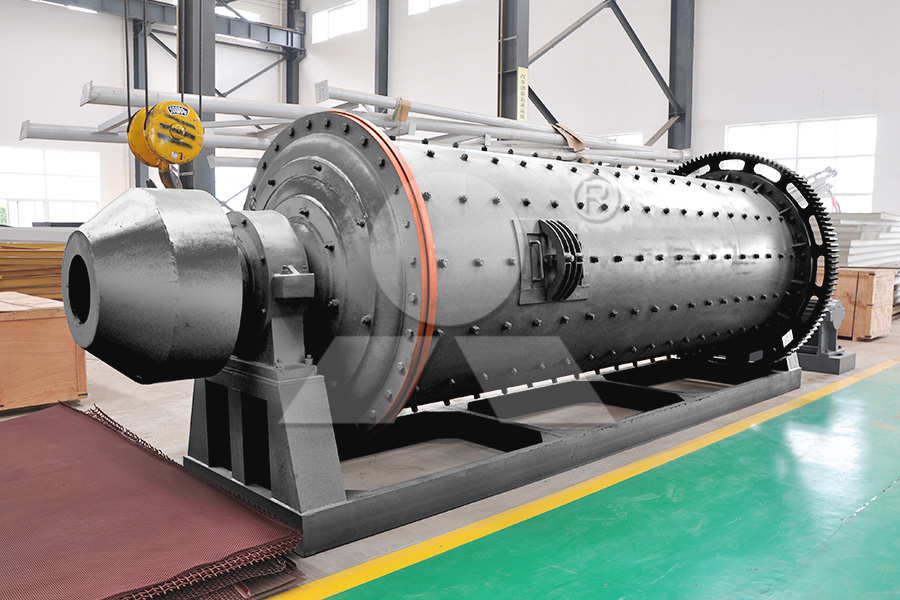
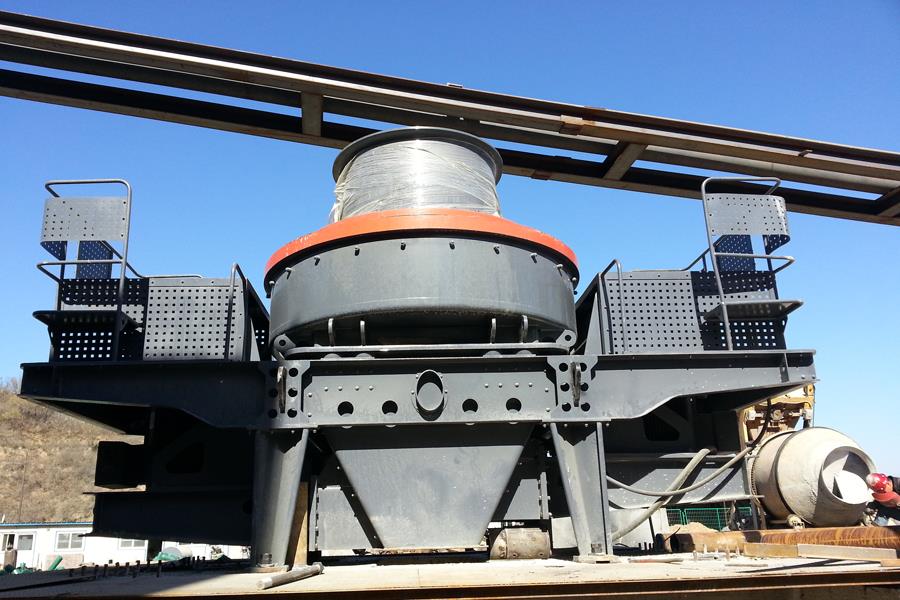
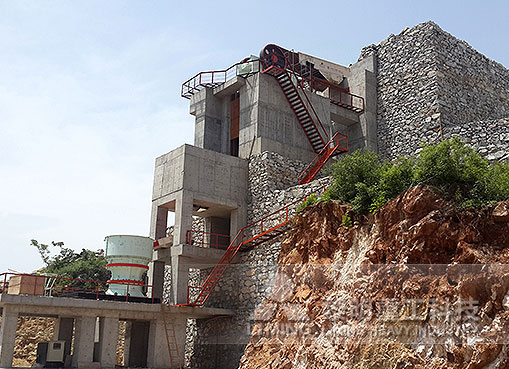
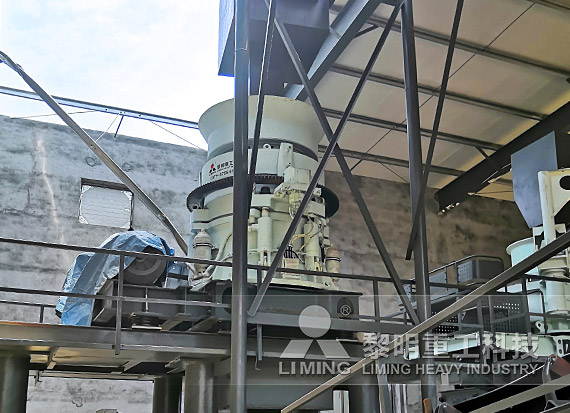
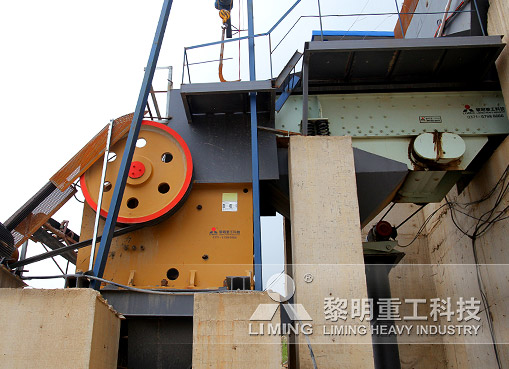
Once the production process and line configuration have been determined, the selection of appropriate machinery becomes a top priority. The three primary stages of the process—crushing, sand making, and sorting—correspond to three specific types of equipment: crushers, sand-making machines, and screening equipment.
Therefore, when selecting equipment and configuring a production line, it is crucial to clearly define one's specific requirements. By choosing a production line and machinery that precisely match those needs, the utilization of construction waste resources can be maximized.
**What Is the Difference Between General Machine-Made Sand and Sand Produced from Construction Waste?**
Machine-made sand refers to sand produced through mechanical crushing; the raw materials for this process are relatively flexible, provided they consist of stone materials with appropriate hardness. Sand produced from construction waste, however, is distinguished by its unique source: it involves the recycling and reuse of construction debris. In terms of workflow, this process requires the establishment of a large-scale construction waste processing line, utilizing specialized machinery such as crushers, sand-making machines, and screening equipment.
In a comparative context, machine-made sand offers distinct advantages over natural sand, including lower production costs and higher profit margins, leading to a steadily expanding market share. This trend is particularly pronounced given the depletion of natural sand reserves and the implementation of protective environmental policies, which have endowed the machine-made sand market with immense potential. Produced using high-efficiency sand-making machinery, machine-made sand is gradually displacing traditional market sources and has emerged as one of the ideal raw materials for the construction industry. Soundness and Durability Testing: The soundness of manufactured sand is slightly inferior to that of river sand, yet it still meets established standards. Since sand derived from construction waste is produced through recycling and reuse, particular attention must be paid to its strength and durability—especially when utilized in concrete components subject to frequent friction and impact.
Irregular Particle Shape: Manufactured sand features a more irregular particle shape, which results in superior bonding properties, greater compressive strength, and a longer service life.
Overall, while manufactured sand and sand derived from construction waste differ in terms of raw material selection and processing techniques, both contribute significantly to the maximization of resource utilization.

-
-
Core Equipment and Cost Analysis for a Potassium Feldspar Grinding Production Line
-
Sand and Gravel Plant Iron Ore Grinding Mills: The Importance of Powder Fineness Requirements
-
What are the methods for reducing the operating costs of a crusher?
-