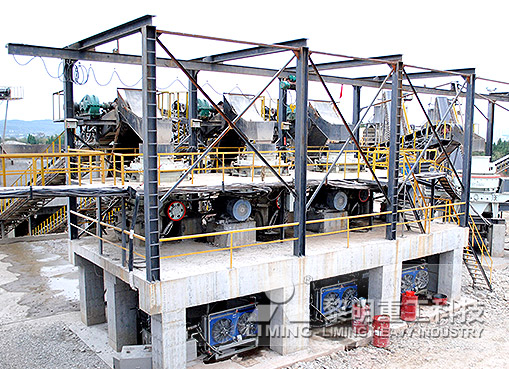
What are the factors that affect the sand production rate of granite crushing?
The sand production rate of granite crushing is affected by multiple factors, including rock characteristics, size, crushing technology, and sand-making equipment. According to literature, the sand production rate is approximately 30% to 50%, meaning that each ton of granite can produce 0.3 to 0.5 tons of sand. However, in actual production, the sand production rate may vary depending on the specific circumstances.
Granite Sand and Gravel Production Line Construction Scheme Consultation
Among these factors, the properties of the rock, such as hardness and toughness, have a significant impact on the sand production rate, while the crushing method and sand-making equipment can be optimized by selecting appropriate models and parameters to improve the sand production rate.
1. Hardness and Toughness
The hardness of granite directly affects its crushing difficulty and sand production rate. Harder granite is more difficult to crush, so its sand production rate is usually lower. Granite with moderate hardness and poor toughness is easier to crush, resulting in a relatively higher sand production rate.
2. Rock Size
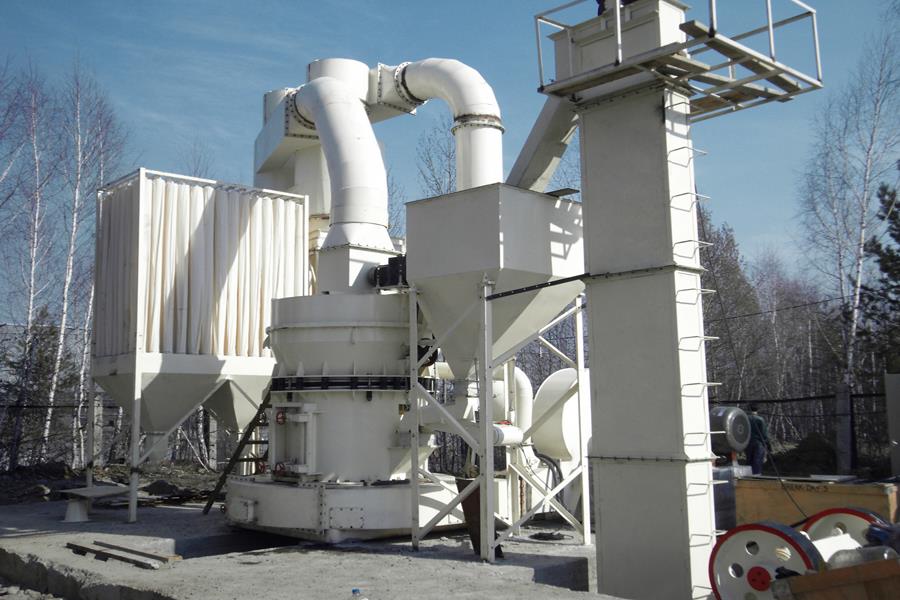
Rock size is a key factor affecting the sand production rate of granite crushing. Larger granite particles are more difficult to crush, requiring greater crushing and grinding force, leading to a lower sand production rate. At the same time, large-sized granite increases equipment wear and energy consumption, reducing production efficiency.
3. Other Mineral Content
The content of other minerals in granite also affects the sand production effect. For example, a higher content of minerals such as mica, feldspar, and quartz may reduce the sand production rate.

-
-
-
Why are more and more concrete companies choosing VU tower-type sand making systems?
-
-
How is a production line that produces 500 tons of sand and gravel per hour constructed?