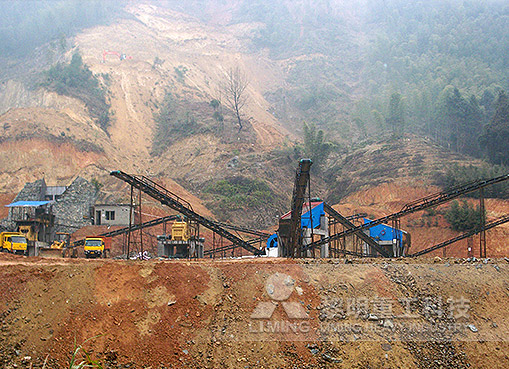
What types of artificial sand production equipment are available
Artificial sand production requires a series of equipment to crush, screen, and process stones into sand and gravel aggregates that meet specifications. The following are some of the main sand production equipment:
Consultation on Artificial Sand Crushing Equipment
Video Introduction to Sand Crushing Equipment: Shibang Group’s River Pebble Crushing and Sand Making Solution
1. Crushing Equipment
Crushing equipment plays a crucial role in artificial sand production. Depending on the characteristics of the material, different types of crushing equipment can be selected for processing.
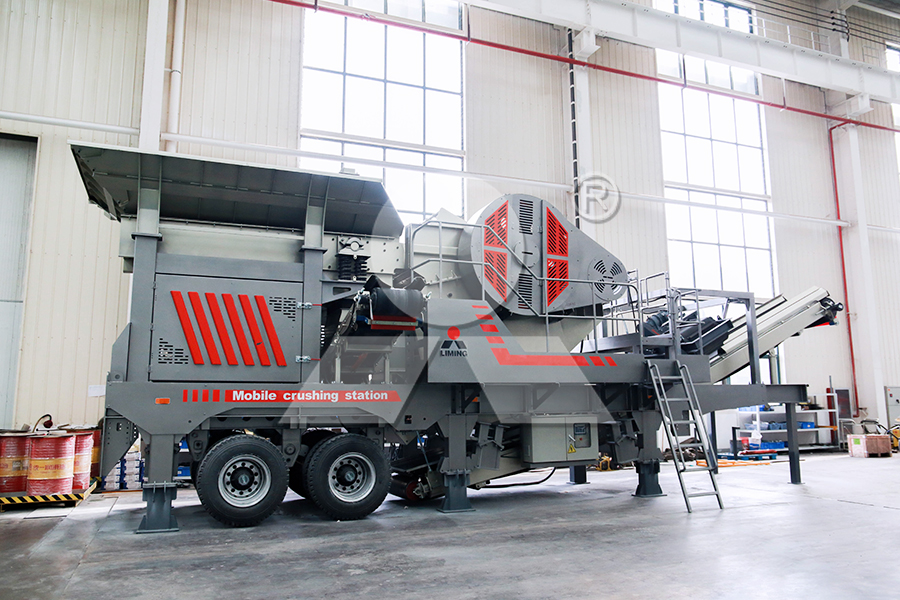
Jaw crushers are the preferred choice for primary crushing, as they effectively break large chunks of material into smaller pieces. This is achieved by using two jaw plates—similar to the upper and lower jaws of an animal—to squeeze and crush the material.
For more precise crushing requirements, such as further breaking small pieces into finer sand particles, impact crushers or cone crushers are more suitable. For soft rock materials, the impact crusher is more suitable. It uses high-speed rotating hammers to impact and crush the material, breaking it down into fine particles.
Selecting the appropriate crushing equipment is crucial for ensuring the production efficiency and product quality of manufactured sand. Different crushing machines have distinct characteristics and are suited for materials with varying properties; therefore, the nature of the material and production requirements should be fully considered during selection.
2. Sand-Making Equipment
Sand-making equipment plays a central role in the entire artificial sand production process. The quality of the sand and gravel depends entirely on the performance of the sand-making equipment. Crushed material that meets the specifications of the sand-making machine is fed into it. Inside the sand-making machine, this material undergoes fine crushing and shaping processes. After processing by the sand-making machine, the resulting sand not only has a uniform particle size but also a well-defined particle shape. Such sand achieves an ideal state in terms of gradation and particle size, capable of meeting the demands of various construction and engineering projects.
3. Auxiliary Equipment
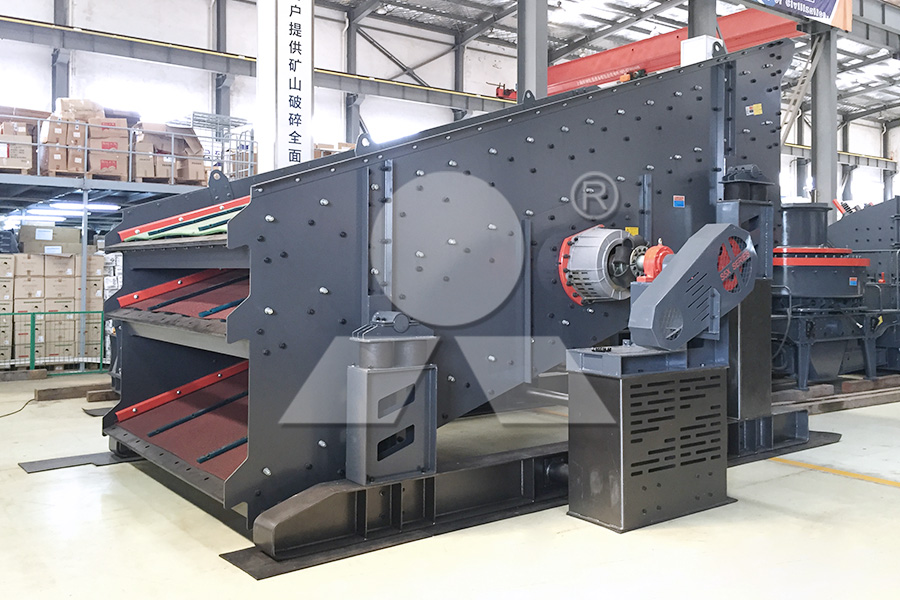
Auxiliary equipment is also indispensable to the entire production line. It primarily includes vibrating feeders, vibrating screens, belt-type pulse dust collectors, conveyors, and more. Each type of auxiliary equipment comes in numerous models and variants, allowing users to select the configuration of production line equipment based on their specific production needs and conditions.
-
How Do High-Quality Sand and Gravel Aggregate Production Systems Ensure Environmental Sustainability
-
Clay Minerals The Cornerstone of the Future of Industry and New Energy
-
-
-
Diverse Applications of Ground Barite Particle Size Determines Industry Selection