Analysis of the causes and solutions for material blockage during jaw crusher operation.
What causes a jaw crusher to suddenly stop discharging material during operation? How to solve this problem? The following mainly explains the reasons and solutions:
Jaw Crusher Problem Consultation
1. High moisture content of the material to be crushed
When a jaw crusher processes materials with high surface moisture or containing mud, jamming is likely to occur. This is because the high moisture content or impurities in the material lead to poor fluidity, and the crushed ore easily clogs the crushing chamber, affecting normal operation. Therefore, special attention should be paid when processing such materials to ensure the smooth operation of the equipment.
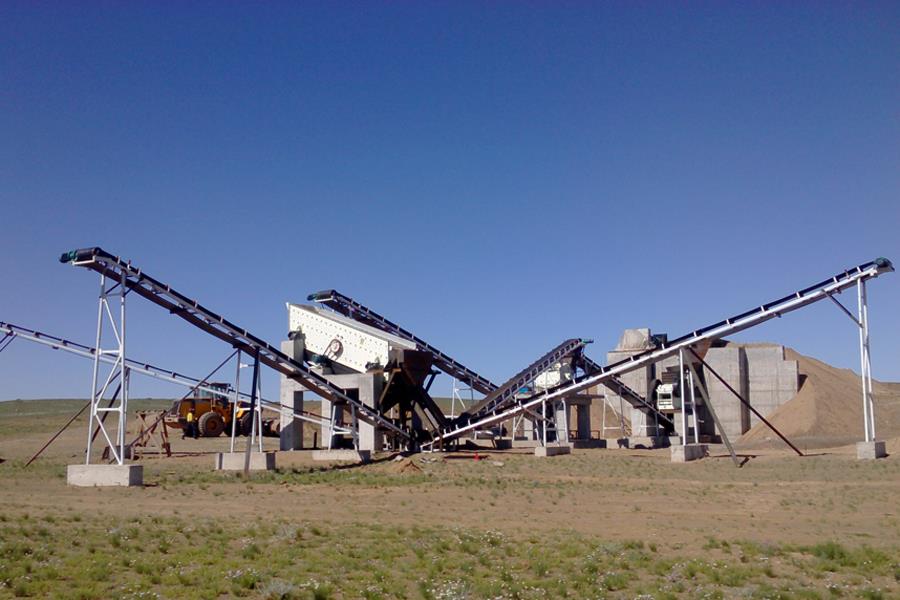
Solution: Strictly control the properties or composition of the material, and carry out pre-screening, washing, and moisture control steps before crushing to ensure the dryness and purity of the material to be crushed (removing dust and fine particles).
2. Excessive feeding speed
Different models of jaw crushers have different processing capacities. If the feeding speed is too fast, too much, or uneven during production, it can easily lead to material accumulation in the lower chamber of the crusher, blocking the discharge port and causing no material discharge. Therefore, reasonably controlling the feeding speed and quantity, and ensuring uniform feeding, is key to avoiding blockages and ensuring the normal operation of the crusher.
Solution: When purchasing equipment, understand the basic requirements of the selected jaw crusher model for the material, such as: input and output particle size, crushing capacity, etc. If the equipment still experiences jamming and no material discharge during the crushing process, the main shaft speed can be reduced to slow down the crushing speed, and the discharge opening can be enlarged to allow more material to pass through, increasing the material throughput. However, when adjusting the discharge opening, the adjustment angle should not be too flat, ensuring continuous and uniform feeding.
3. Foreign objects such as iron blocks in the feed
If foreign objects such as iron blocks that cannot be crushed are not removed from the raw materials, it will cause damage to the jaw plates of the jaw crusher, thus affecting the material discharge.
Solution: Control the process from the source. Perform preliminary pre-screening of the materials to be crushed, and remove objects that do not meet the crushing standards, such as iron blocks, before feeding them into the crusher, to reduce the phenomenon of jamming and no material discharge.
4. Low voltage at the work site
Low voltage cannot provide the power required for the normal operation of the main machine, resulting in slow discharge or even no discharge. Solution: Before starting work, adjust the voltage at the construction site according to the equipment requirements to ensure it meets the heavy load requirements of the main unit.

-
Reasons for material backflow in jaw crushers in stone production lines and their solutions.
-
Which parts of an impact crusher should be inspected regularly after prolonged operation?
-
What are the requirements for materials when using an impact crusher?
-
-
Should wet or dry methods be used in the sand production process?