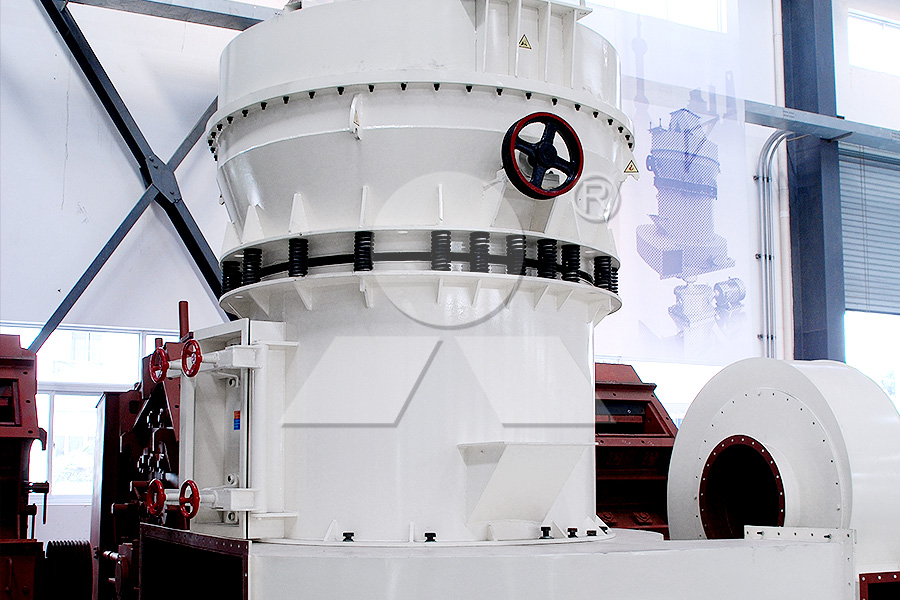
Cone Crusher Hydraulic System Maintenance Guide
The hydraulic system is the core control component of modern hydraulic cone crushers, responsible for discharge adjustment, overload protection and cylinder reset. Poor hydrauli
Send InquiryProduct Details
The hydraulic system is the core control component of modern hydraulic cone crushers, responsible for discharge adjustment, overload protection and cylinder reset. Poor hydraulic maintenance often causes oil leakage, cylinder jamming, pressure instability and automatic shutdown failure.
Daily maintenance rules include regularly checking hydraulic oil cleanliness, replacing filter elements every 500 working hours, controlling oil temperature between 35-55℃, and keeping sealing components intact. Impurities in hydraulic oil will scratch valve cores and reduce system sensitivity.
Common hydraulic failures include slow discharge adjustment, abnormal pressure fluctuation and oil pipe leakage. Solutions involve cleaning oil tanks, replacing aging oil seals, exhausting air inside pipelines and calibrating pressure gauges.
In high-temperature tropical regions, external cooling radiators are recommended to prevent oil overheating. In dusty mining environments, sealed hydraulic cabins protect precision components from dust erosion.
A Ghana granite mine standardized hydraulic maintenance procedures, reducing cone crusher hydraulic failure rate by 62% and extending oil replacement cycle reasonably.
For professional hydraulic maintenance documents, visithttps://www.smpcrusher.com.
Keywords: cone crusher, hydraulic system maintenance, hydraulic oil replacement, pressure calibration, crusher failure prevention

Related Showrooms
-
Application of Iron Ore Tailings in Building Bricks Production
-
-
Industry Professional Articles (Focus on Technology & Cases - New Batch 6)
-
-
Inquiry