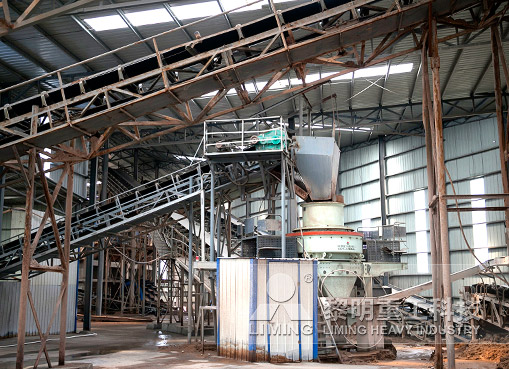
Design and supply of equipment for a mechanized sand and gravel production line.
The sand and gravel market remains active, with demand for sand and gravel mixtures growing due to the increasing number of infrastructure projects. The issue of designing an efficient sand and gravel production line and the rational layout of the necessary equipment is at the forefront of many infrastructure specialists' attention.
Other sand and gravel crushing lines
Other sand and gravel crushing lines
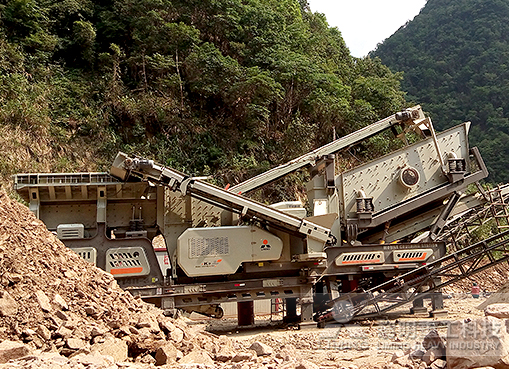
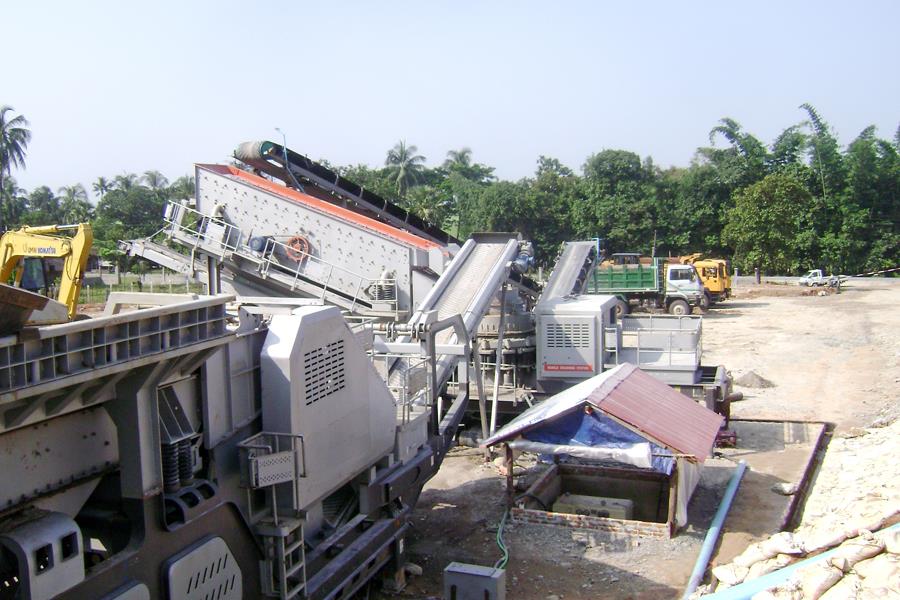
Below is a typical technological scheme of a sand and gravel crushing line and its typical equipment configurations:
I. Coarse crushing equipment
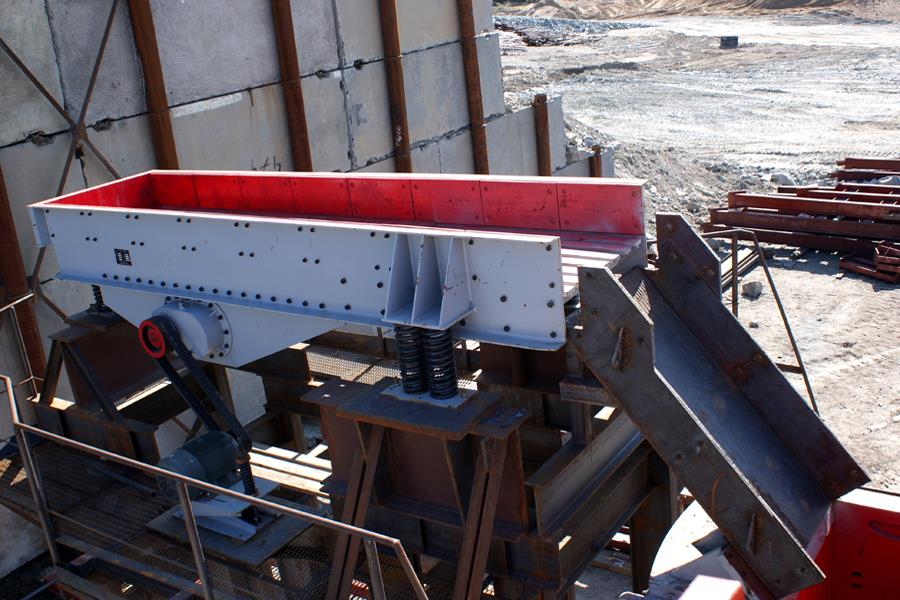
There are two main types of coarse crushing equipment: rod feeders and powerful plate feeders. Rod feeders can also perform preliminary screening during the feeding process, removing some impurities such as sludge.
II. Primary crushing equipment
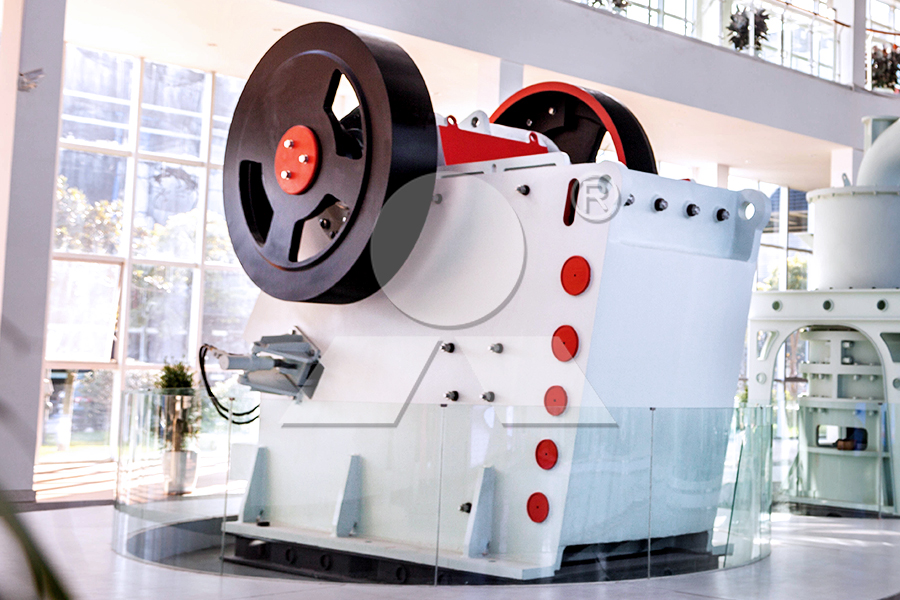
In sand and gravel production, jaw crushers are common equipment for primary crushing. They crush large materials into medium-sized materials, which facilitates subsequent crushing.
III. Intermediate Stockpile
The intermediate stockpile after primary crushing can be divided into two sections to compensate for downtime of the initial stage equipment due to supply, transportation, or maintenance issues. This allows the initial stage equipment to continue production using material stored in the intermediate stockpile, ensuring continuous operation.
IV. Pre-screening before intermediate crushing: Pre-screening removes materials smaller than the material entering the intermediate crushing stage, preventing over-crushing. The screen size also controls the amount of material entering the intermediate/fine crushing or shaping equipment, as well as the maximum size of the input material. An optimized configuration allows for a reduction in the size or number of crushing equipment units.
V. Intermediate crushing equipment: The intermediate cone crusher and pre-screening equipment form a closed system, with the pre-screening equipment also acting as a control screen. Materials with a screen size less than 12 mm can be directly used as raw material for sand production without re-entering the crushing system. This avoids excessive crushing and helps to free up capacity in the crushing system.
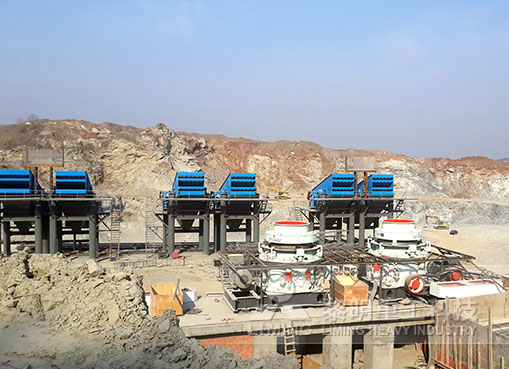
VI. Shaping and sand production equipment: The third crushing stage uses a vertical shaft impact crusher, which combines crushing and shaping functions. After processing in the vertical shaft impact crusher, the material goes to the finished product screen. The finished product screen and the vertical shaft impact crusher form a closed system, ensuring high quality of the final product.
VII. Equipment for screening the finished product. A shut-off valve is installed on the finished product screening hopper, allowing part of the finished product to be returned to the vertical shaft impact crusher for further crushing. This allows for regulating the output of the finished product, making the system control more flexible.
The rational design of the sand and gravel production line and the scientific equipment layout play a key role in improving production efficiency and product quality. The introduction of advanced crushing, screening and sand washing equipment allows for maximum efficient use of resources, reduced production costs and ensures stable product quality. Shibang Group offers comprehensive sets of equipment for sand and gravel production lines, characterized by high efficiency, stability and environmental friendliness, providing customers with reliable support in achieving efficient production and sustainable development.

-
Construction waste recycling plant: how to choose a crusher with a capacity of 300 tons per hour?
-
What types of large-scale sand-producing machines are available? How much does a complete set cost?
-
How much does it cost to invest in a production line for processing and crushing construction waste?
-
Guangdong hematite crushing line with a capacity of 600-700 tons/hour.
-