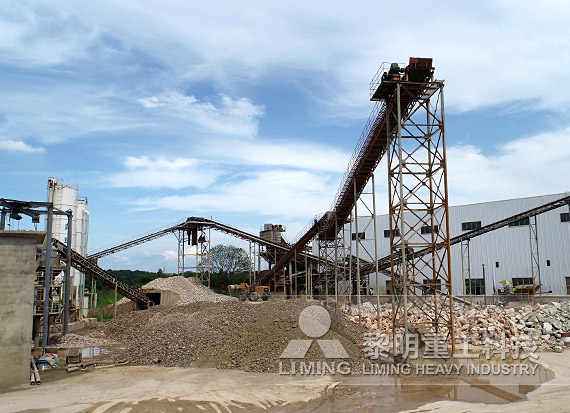
A tower-type sand molding and production system using a dry process, operating at high and low speeds: a new option for the production of environmentally friendly building materials.
In the context of the continuous development of the building materials industry, artificial sand, as an important building material, has become the subject of close attention in the industry in terms of quality and production efficiency. The dry tower system for artificial sand production with high- and low-speed molding, possessing unique advantages, has become a new choice for industrial parks producing environmentally friendly building materials.
Tower Sand Production System
This system has several significant features. Firstly, it adapts to a wide range of raw materials and occupies a small area, only one-fifth of the area required for traditional wet process systems and one-third of the area required for traditional dry process systems, which significantly saves land resources. Secondly, the system has a tower structure that combines dust removal and fine fraction separation, ensuring excellent environmental performance and adjustable fine fraction content in the artificial sand. At the same time, the system is also equipped with an online artificial sand quality control system and a wetting mixer, which allows for timely adjustment of the artificial sand quality, prevents segregation of the finished sand, and ensures high product quality.
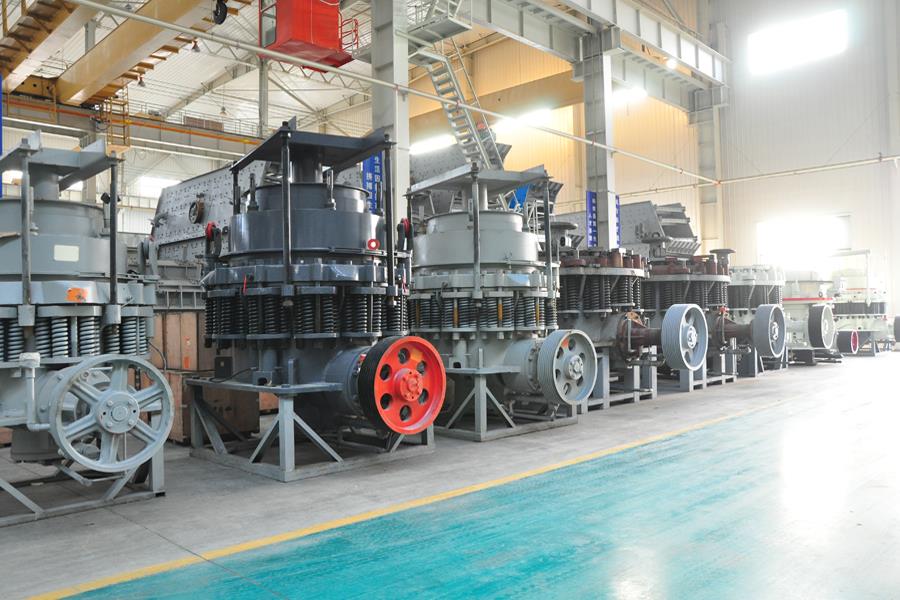
In terms of operation and maintenance, the dry tower system for artificial sand production with high- and low-speed molding also demonstrates exceptional results. The system is easy to operate and maintain, and its highly integrated design simplifies the implementation of intelligent control, significantly increasing production efficiency and equipment reliability.
It is worth noting that this system is very well suited for integration with concrete, dry building mix, and asphalt concrete plants in industrial parks for the production of environmentally friendly building materials, forming a combined "two-in-one" or "multi-in-one" system. This not only facilitates the centralized use of resources but also effectively promotes the development of the environmentally friendly building materials industry. The working principle of the tower-type artificial sand production system using high and low-speed dry crushing is also quite advanced. It uses a VUS sand and aggregate co-production system, which employs a dry production process to transport raw materials to the upper floor. After high-frequency stone-on-stone crushing, the materials enter the stone dust separation chamber. By adjusting the size of the air intake of the dust collection box and the air volume in the system, the dust content in the artificial sand can be precisely controlled. The processed materials are then separated into high-quality crushed stone, stone dust, and semi-finished sand using a screening sieve. The stone dust is collected as high-quality stone dust after processing by the dust removal and collection system, and the semi-finished sand is uniformly mixed in a moisturizing mixer to produce high-quality artificial sand. The artificial sand produced by this system has a reasonable particle size distribution, a rounded particle shape, and a controlled dust content, meeting the needs of various clients. At the same time, the dry and clean high-value stone dust can also be uniformly processed, creating additional value for the enterprise. Overall, the tower-type artificial sand production system using dry grinding at high and low speeds, thanks to its advantages of high efficiency, environmental friendliness, and intelligence, demonstrates enormous potential and broad market prospects in the field of environmentally friendly building materials. As the industry continues to develop, this system will undoubtedly become an important choice for the future environmentally friendly building materials industry.

-
-
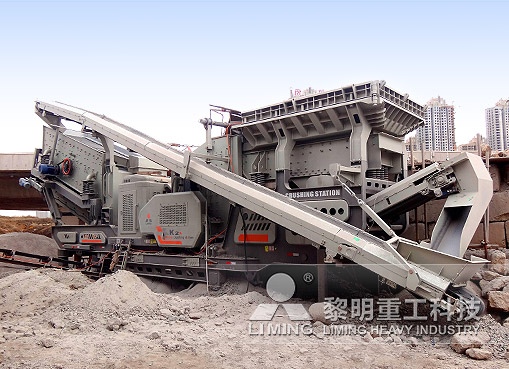
What equipment is included in a complete sand and gravel processing line?
-
-
What factors influence the price of equipment for producing sand from river pebbles?
-