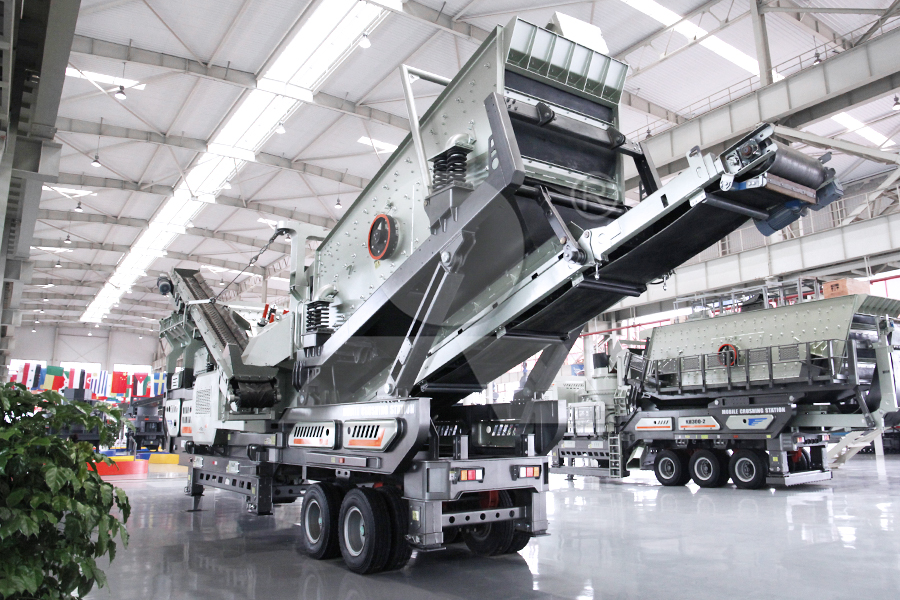
Exploring the Crushing Process of Iron Ore Beneficiation Plants: The Wisdom of Choosing Between Two-Stage and Three-Stage Processes
In the daily operation of iron ore beneficiation plants, the choice of crushing process is crucial. It directly affects ore particle size control, grinding efficiency, and ultimately, economic benefits. Currently, the most common crushing processes in iron ore beneficiation plants are two-stage and three-stage crushing processes, each with its own characteristics and application scenarios.
Crushing Equipment Selection
First, let's understand the two-stage crushing process. This process is usually divided into two open-circuit and two closed-circuit types. The two-stage closed-circuit process is favored by small beneficiation plants because it ensures that the product particle size meets requirements. In this process, the second-stage crusher and the inspection screen form a closed circuit, ensuring the stability of the product particle size and thus avoiding impact on the subsequent grinding operation. However, it should be noted that the two-stage crushing process is generally only suitable for small underground mines, with a relatively small crushing ratio, usually between 15 and 25, and a limited crushing ore volume, often less than 1000 tons/day.

In contrast, the three-stage crushing process has a wider range of applications. It also comes in two forms: three-stage open-circuit and three-stage closed-circuit. The three-stage closed-circuit process, because it uses a screening process in the third stage to ensure stable product particle size, has become a common process in concentrators. This process is suitable for large, medium, and small concentrators, with a total crushing ratio of approximately 25-200, a feed particle size of approximately 1000 mm, and a product particle size of 12 mm or finer. Therefore, the three-stage closed-circuit process can meet the concentrator needs of most concentrators, bringing significant economic benefits.
It is worth mentioning that although the two-stage open-circuit process is still used in certain specific situations, it has been gradually replaced by the three-stage closed-circuit process because it cannot guarantee the required product particle size. The two-stage closed-circuit process, however, still has some application potential in small concentrators due to its economic efficiency and applicability.
In conclusion, iron ore concentrators should comprehensively consider factors such as ore properties, production scale, and economic benefits when selecting a crushing process. For small-scale ore processing plants, a two-stage closed-circuit process may be a good choice; while for large and medium-sized ore processing plants, a three-stage closed-circuit process is more able to meet their ore processing needs. By scientifically and rationally selecting the crushing process, ore processing plants can effectively control the particle size of ore, improve grinding efficiency, and thus maximize economic benefits.

-

What are the advantages of a mobile stone crushing plant for river pebbles?
-
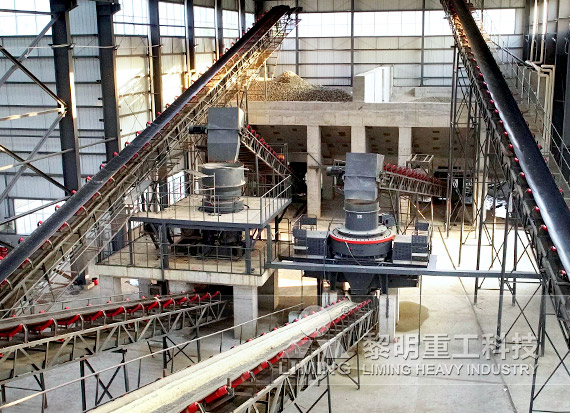
What are the reasons for the reduced output of jaw crushers?
-
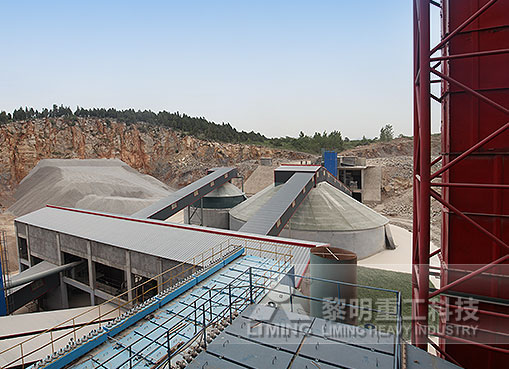
Case Study of a 6 Million Ton/Year Magnetite Crushing and Sand Making Production Line in Baotou City
-
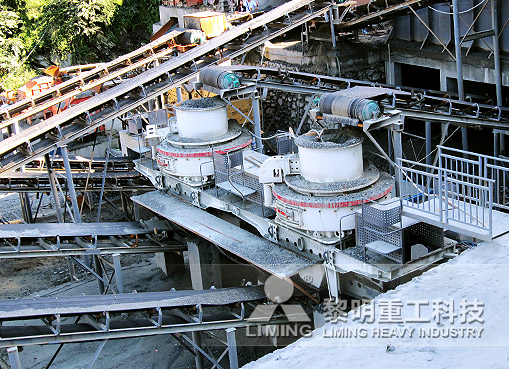
Solution for a Thousand-Ton Limestone Crushing and Sand Making Production Line
-