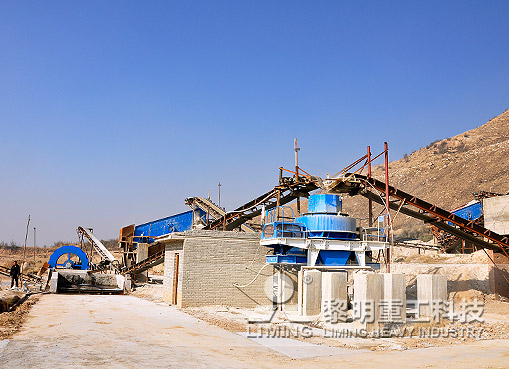
Fine Crusher CSS (Closed Side Setting) Calibration for Metal Ore Liberation
Closed side setting is the smallest gap between crusher liners at the bottom of the crushing chamber, the single most important adjustable parameter for cone crushers. In aggregate plants, CSS mainly controls top size and particle shape. In metal ore concentrators, CSS directly controls mineral liberation and mill feed size. Too wide a CSS leaves locked composite particles; too tight a CSS increases slime, raises wear cost and drops throughput.
Many mine crews set CSS by rule of thumb instead of regular calibration. Wear on liners changes the effective CSS over time, so the gap drifts even if the control panel reading stays the same. Liner wear drift causes slow, invisible changes in liberation and recovery, only visible after assay results trend downward weeks later.
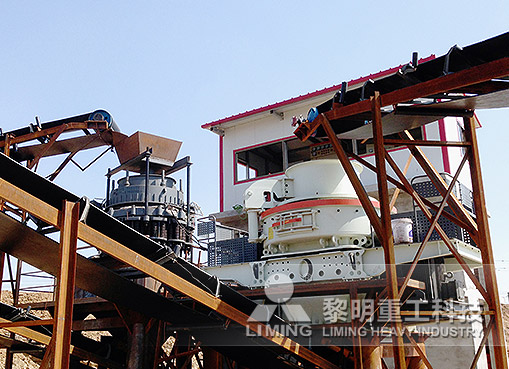
SMP commissioning and maintenance procedures include regular CSS physical measurement, liner wear tracking and liberation test work. We link CSS setpoints to target P80 mill feed size for each ore type. When liner wear reaches threshold, operators adjust CSS or schedule liner change before liberation performance degrades.
Routine CSS calibration stabilizes mineral liberation, protects recovery and avoids chasing invisible processing drift.
**Keywords**: cone crusher CSS calibration, closed side setting, metal ore liberation control, crusher P80 control, cone liner wear tracking

-
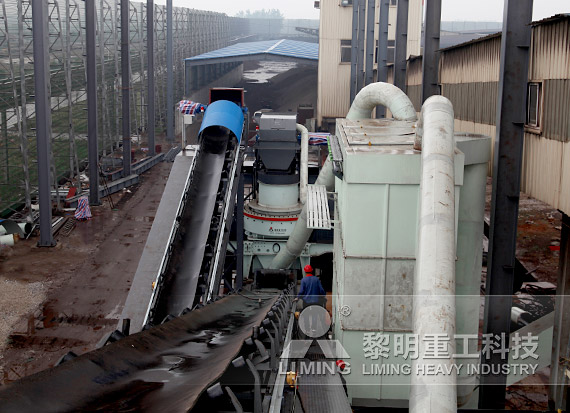
Construction Demolition Recycled Aggregate for Road Subbase and Hydraulic Concrete
-
Power Consumption Benchmarking for Metal Ore and Aggregate Crushing Circuits
-
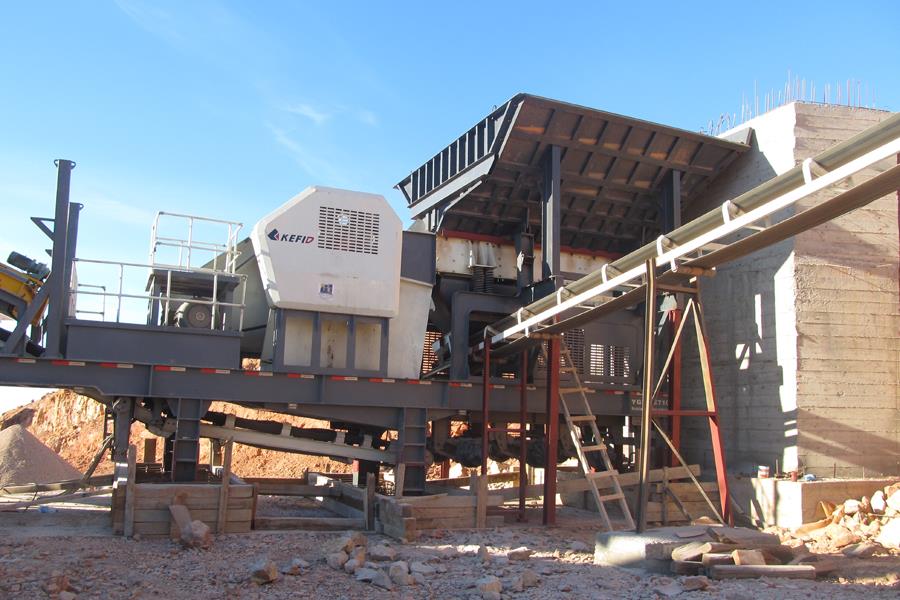
Spodumene Crushing Circuit Design for Lithium Ore Liberation in Hard Rock Lithium Projects
-

High-Strength Basalt Aggregate for Airport Runway Pavement: Crushing and Durability Control
-
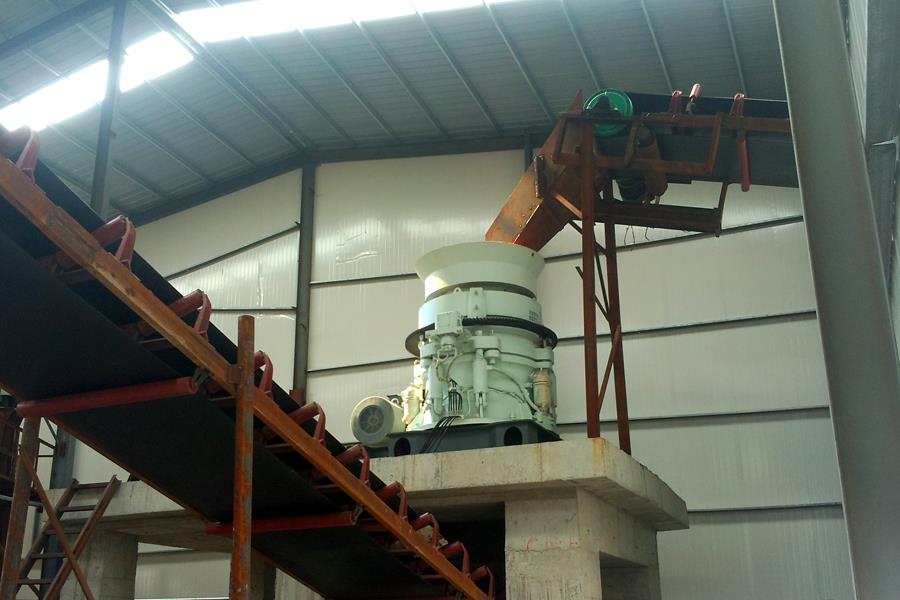
Spodumene Pre-Concentration with XRT Sorting after Coarse Crushing to Cut Lithium Processing Costs