Gypsum powder production line process flow and configuration
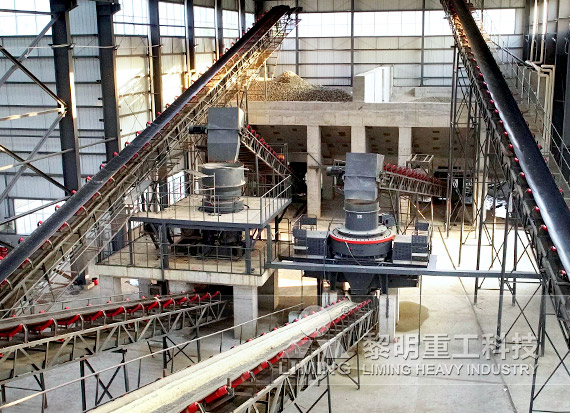
Gypsum is a common material widely used in construction, crafts, and other production processes. Its processing requires a complete process, including a grinding mill—a crucial piece of equipment—as well as other auxiliary equipment. This section introduces the configuration of this production process.
Gypsum Powder Production Equipment Configuration Consultation
Gypsum Production Process
During gypsum processing, it first undergoes a crushing stage. The crushed material is then transported to a grinding mill for grinding. If the ground material meets the required standards, it is sent to a fluidized bed furnace for calcination. If it does not meet the standards, it needs to be ground again. This cyclical production method ensures the uniformity of the finished product quality. The qualified calcined gypsum powder is then stored in a clinker silo or used in the finished product workshop.
Gypsum Grinding Applications & Technical Specifications
Used in industrial and construction sectors
Production Fineness: 100 mesh and 325 mesh
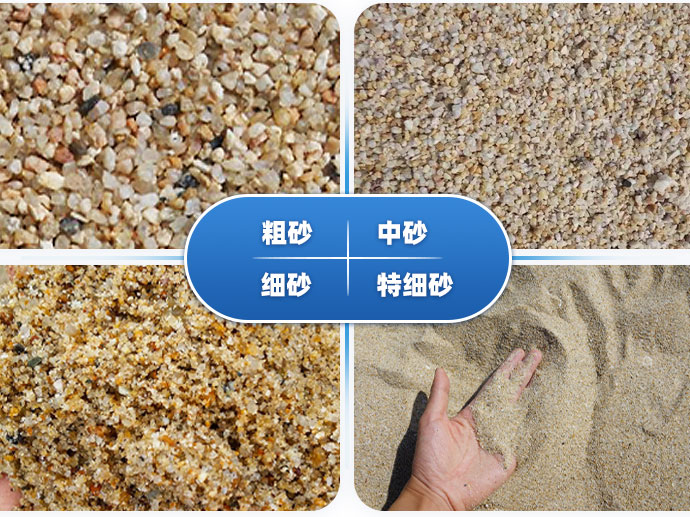
Gypsum is a widely used industrial and building material, applicable to cement retarders, gypsum building products, model making, medical and food additives, sulfuric acid production, paper fillers, paint fillers, etc.
Equipment Required for Gypsum Production
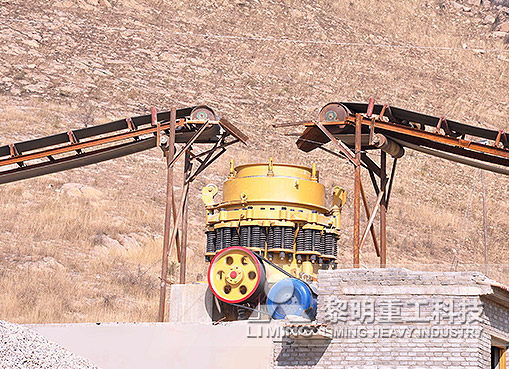
As can be seen from the above analysis of the gypsum production process, the main production equipment required includes crushers, grinding mills, and auxiliary equipment such as feeders and belt conveyors. These different pieces of equipment work together to process gypsum. Of course, these pieces of equipment come in different models, and the appropriate model can be selected based on production needs.
Configuration Principles for Gypsum Production Processes

There are many types of gypsum production lines, and different configurations can be selected according to different needs. In the actual configuration process, the main consideration is the production requirements. For example, in the crushing stage, the crusher required is selected based on the properties of the gypsum, primarily an impact crusher. In the grinding stage, the grinding mill required is selected based on the particle size and other properties of the crushed material. Of course, this selection process also needs to consider capacity requirements, the desired particle size of the finished product, etc. These different requirements collectively determine the configuration of the gypsum grinding mill production line.

-
What factors influence the price differences of limestone Raymond mills?
-
-

What are the advantages of a mobile stone crushing plant for river pebbles?
-
What are the reasons for the reduced output of jaw crushers?
-
Case Study of a 6 Million Ton/Year Magnetite Crushing and Sand Making Production Line in Baotou City