How to control the quality of finished product in a sand and gravel aggregate production line?
The following describes how a sand and gravel aggregate production line controls the quality of the finished product:
1. Controlling the Quality of Raw Materials
Before mining raw materials, the top cover layer of the quarry needs to be removed, ensuring that the surface of the mining layer is free of grass roots, covering soil, and other similar materials. When cleaning the cover layer, it should be done in one go, leaving a certain width of protective zone to prevent the covering soil from sliding off the boundary and mixing back into the raw materials due to vibrations during mining. For situations where mudstone is buried at varying depths or the groundwater level is high, drainage ditches need to be dug before mining to lower the groundwater level. During mining, it should proceed from low to high elevations. For the cover layer, ensure that the width of the stripping boundary is at least 0.8m greater than the planned mining area. The mining depth must be strictly controlled, ensuring that the thickness of the reserved layer is greater than 0.2m.
Stone Production Line Equipment Configuration Consultation
2. Controlling Particle Size
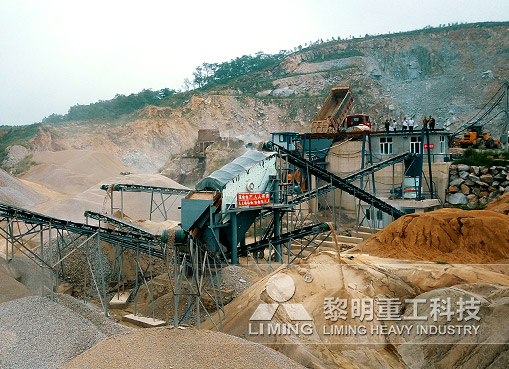
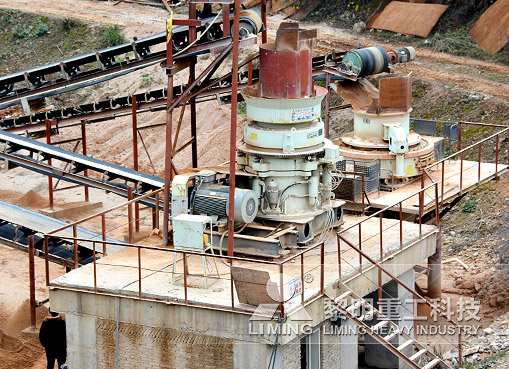
The production of manufactured sand and gravel aggregates includes crushing, screening, and sand making. Among these, the screening stage is the key to controlling the particle size of the sand and gravel aggregates. The quality control of sand and gravel aggregates is mainly based on the particle size and gradation requirements of concrete aggregates. Advanced and mature crushing equipment and vibrating screens with standard aperture screens are used to ensure that the produced concrete aggregates meet the grading quality standards and regulations specified in the specifications. Polyurethane square-hole screens can be used for screening coarse aggregates. The mesh size varies depending on the aggregate gradation, with specifications such as 5mm, 10mm, 20mm, 40mm, and 80mm. In addition to regular inspections during production, a centralized maintenance and replacement is required every month or every 20,000 to 30,000 cubic meters produced to ensure the integrity of the production equipment. In water conservancy and hydropower projects, the commonly used coarse aggregate gradation is small stone (5-20mm), medium stone (20-40mm), and large stone (40-80mm). Multi-layer circular vibrating screens are commonly used for screening and grading in hydropower projects. In small-scale projects, large stone is used in smaller quantities and can be produced separately using drum screens as needed. Regular inspection and replacement of the screens on each sieve are essential, along with the establishment of maintenance and replacement records. Effective control of the particle size of sand and gravel aggregates can only be achieved through sound management methods and scientific work processes.
3. Controlling Mud Content
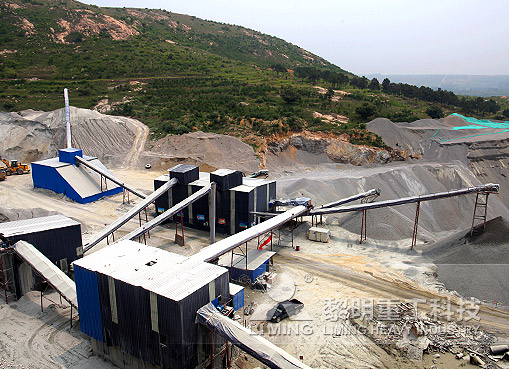
Strict control must be exercised over the inclination angle of the screens and the feed rate of the raw materials to be screened, and a reliable and stable washing system must be provided. This washing system requires a main water pipe with a water supply capacity of 100-120 cubic meters per hour and a diameter of 100 mm; the water pipes used on the screening machine have a diameter of 60 mm, and the spacing between the water supply pipes should be controlled between 25-35 mm; the branch water supply pipes used on the water supply pipes have a diameter of 5-8 mm, the water spray holes should be evenly distributed, and the water pressure should be adjusted appropriately during washing; the water sprayed from adjacent water spray holes must cross each other to ensure that the sprayed water evenly covers the entire screen. Otherwise, the number, spacing, and direction of the water spray holes need to be adjusted promptly.
4. Protect Finished Aggregates
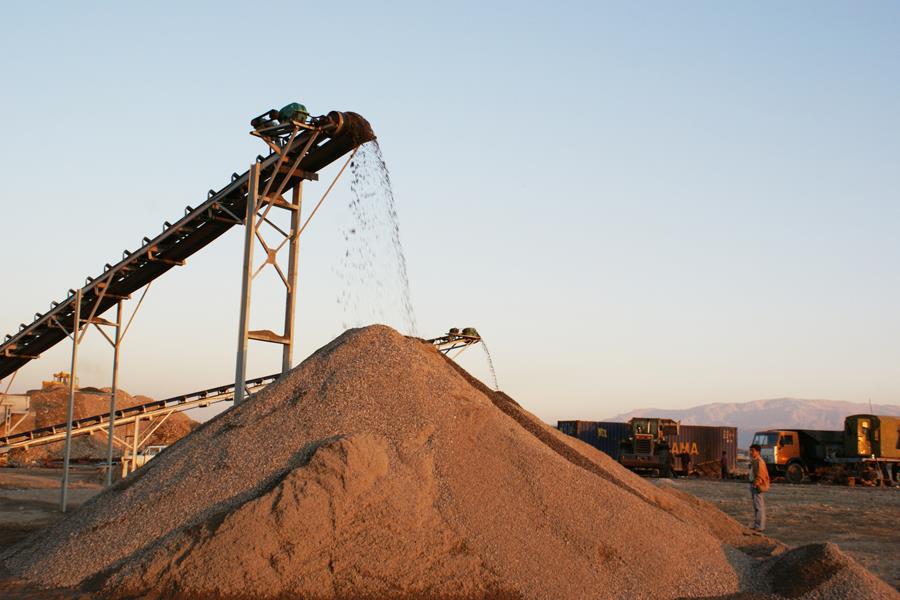
When sand and gravel aggregates screened from the screening workshop are transported by conveyor belt to the finished material stockpile, isolation walls must be erected to separate the aggregates into designated areas and prevent mixing within the stockpile. Product labels should be placed at the finished material stockpile locations. Aggregates stacked without isolation walls should be spaced at least 3 meters apart and kept neat and orderly. A blind drainage system should be constructed within the finished material stockpile to ensure that the washed aggregates can be quickly dehydrated after entering the stockpile, meeting the moisture content requirements for concrete production.

-
-
How to produce better particle shape of sand and gravel aggregate using a cone crusher
-
-
How to solve the problem of jaw crusher not feeding material in stone production line?
-