Improving the efficiency of steelmaking slag utilization: a comprehensive analysis of equipment and technologies for crushing and processing steelmaking slag.
Crude steel production in my country reached 626 million tons, a 9.3% increase compared to the previous year, setting a new historical record. However, with the increase in crude steel production, the amount of steel slag, the main solid byproduct of steelmaking, is also rapidly increasing. Approximately 75 million tons of steel slag are generated annually in the country. If not recycled, it will occupy large areas, pollute the environment, and lead to the loss of valuable steel scrap and slag resources, hindering the sustainable development of the steel industry.
Low utilization rate of steel slag, need for improved equipment
According to statistics, the effective utilization rate of steel slag in my country is only about 10%, which is significantly lower than the international level. The main reason is that the equipment for processing steel slag in my country is still insufficient, and the existing crushing equipment is not suitable for the characteristics of steel slag; in particular, there is a lack of suitable equipment for fine grinding of steel slag. Therefore, the development of advanced equipment and technologies for fine grinding of steel slag has become a pressing issue for steel enterprises. Only through scientific research and overcoming the challenges of fine grinding of steel slag can economically efficient deep processing and comprehensive utilization of steel slag be achieved.
The Importance of Fine Grinding of Steel Slag
Extraction of More Metallic Iron
Steel slag contains about 7-10% scrap steel. Fine grinding allows for the extraction of more metallic iron. For example, after magnetic separation of steel slag crushed to -75 mm, the waste contains about 4-6% metallic iron; after magnetic separation of steel slag crushed to -35 mm, the waste contains about 3-5% metallic iron; with grinding to -10 mm and subsequent magnetic separation, the metallic iron content in the waste can be reduced to approximately 1%. Clearly, fine grinding is key to increasing the recovery rate of metallic iron.
Increased Efficiency of Subsequent Processing
Subsequent processing of steel slag usually requires grinding to further separate metallic scrap from the slag. The theory and practice of grinding show that the smaller the particle size of the material being ground, the less the change in energy consumption per unit of product, while energy consumption increases sharply as the particle size decreases during grinding. Therefore, to reduce energy consumption, the "more crushing, less grinding" process should be applied, increasing the degree of crushing and decreasing the degree of grinding to minimize the particle size of the material entering the mill.
Reducing Grinding Costs
Steelmaking slag that has not undergone fine crushing has a higher iron content, which affects mill performance, increases energy consumption, shortens the service life of grinding media and liners, and leads to increased costs. Therefore, steelmaking slag needs to be pre-crushed to a size of less than 10 mm before grinding. Existing shortcomings of equipment for fine crushing of steelmaking slag:
Jaw crusher
Mainly used for coarse and medium crushing, not suitable for fine crushing. Although some companies use small jaw crushers for fine crushing, the efficiency is low, the effect is poor, and the recovery rate of metallic iron is only 64.98%.
Roller crusher
Although it can crush steelmaking slag to -10 mm, the particle size of the product is uneven, energy consumption is high, the splashing of steelmaking slag affects environmental safety, and maintenance costs are high.
Hammer crusher
Not suitable for crushing steelmaking slag, subject to severe wear, has a short service life, and has been phased out by many companies.
Impact crusher and vertical shaft impact crusher
Characterized by high wear and high energy consumption, making them unsuitable for fine crushing of steelmaking slag. The performance and particle size are difficult to match the requirements.
Hydraulic cone crusher
Although it is suitable for fine crushing of ore, the high hardness of steelmaking slag and the presence of metal inclusions lead to frequent "iron overloads" in the equipment, which affects the continuity of operation and prevents achieving the required degree of crushing.
Rod mill
Steel rods wear out quickly, the particle size of the product is unstable, energy consumption is high, and operating costs are high.
In our country's steel industry, there is still significant potential for improving equipment and technologies for fine crushing of steelmaking slag. Improving equipment and technologies will increase the utilization rate of steel.
-
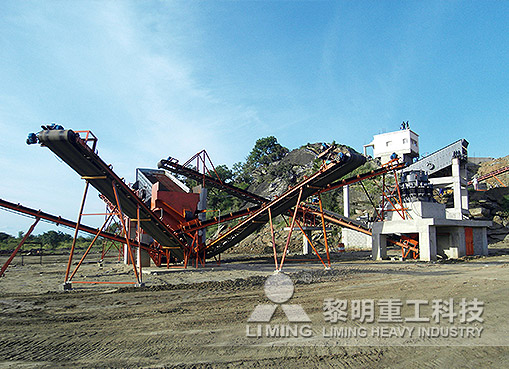
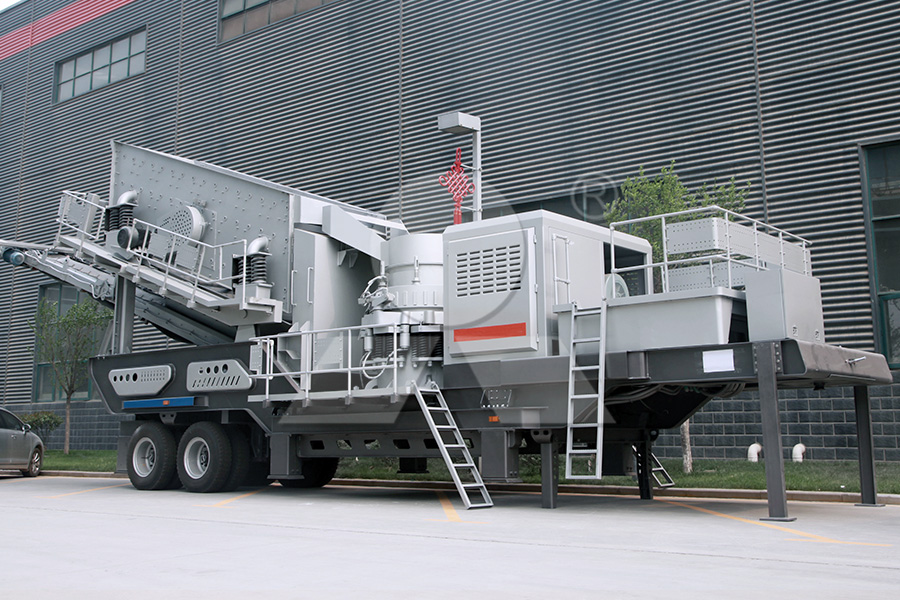
What are the advantages of mobile crushing plants? How much do they cost?
-
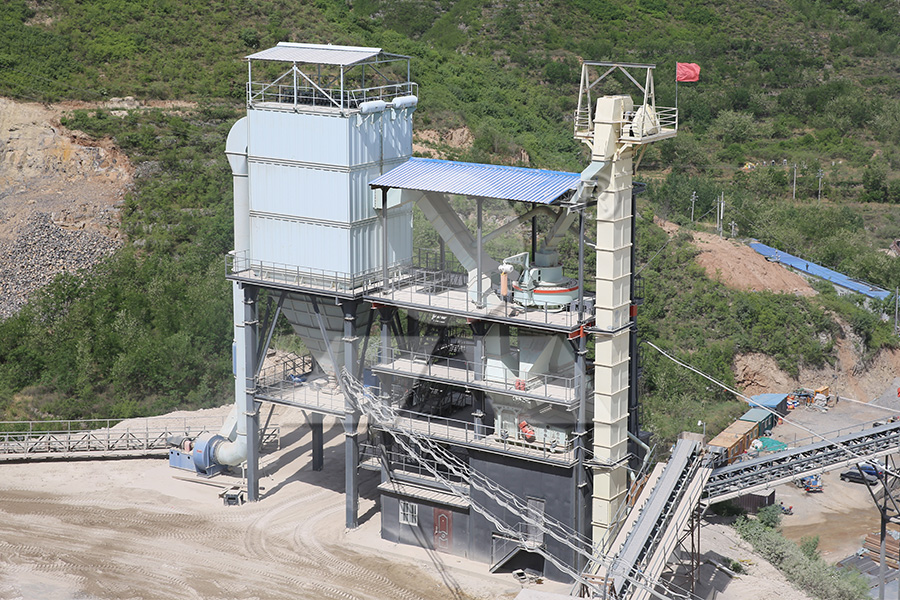
What models of large single-cylinder cone crushers are available? What is their approximate price?
-
A production line for crushing and sorting magnetite with a capacity of 450 tons per hour.
-
-