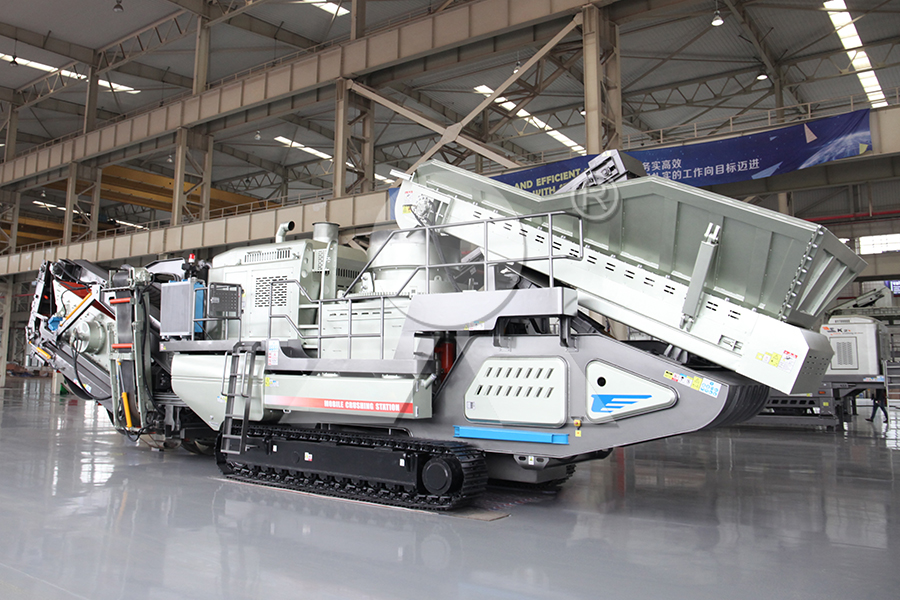
Lead Zinc Sulphide Ore Closed-Circuit Crushing Setup for Flotation Feed Consistency
Differential flotation separating galena and sphalerite is very sensitive to feed particle size. Coarse locked intergrowth cannot be separated; excessive fines create slime coating, making it hard to separate lead and zinc minerals selectively. Closed-circuit three-stage crushing is the preferred solution for lead-zinc sulphide ore.
Run-of-mine ore: hopper + apron feeder → primary jaw crusher → belt conveyor → secondary cone crusher → vibrating screen. Oversize returns to cone crusher, undersize becomes ball mill feed. Apron feeders are used instead of ordinary belt feeders because lead-zinc ROM ore often has sharp, angular rock fragments that damage regular belts.
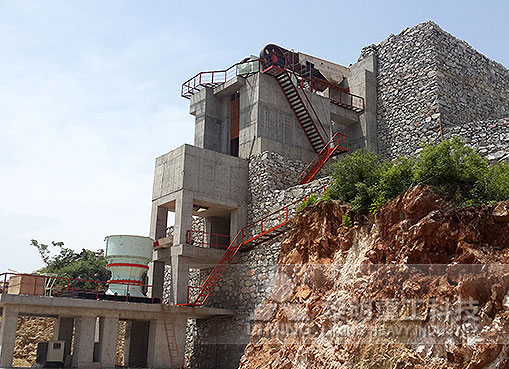
Operators track P80 of crushed product daily. If lead recovery drops while zinc impurity rises in lead concentrate, check whether the crushing product has become coarser. If both concentrates are low-grade with high slime, the cone CSS is too tight. Wear parts change will shift particle distribution gradually, so regular sampling and particle size testing are essential for stable lead-zinc flotation indexes.
Keywords: lead zinc ore closed crushing, galena sphalerite crushing preparation, lead zinc flotation feed control, sulphide ore crushing circuit

-
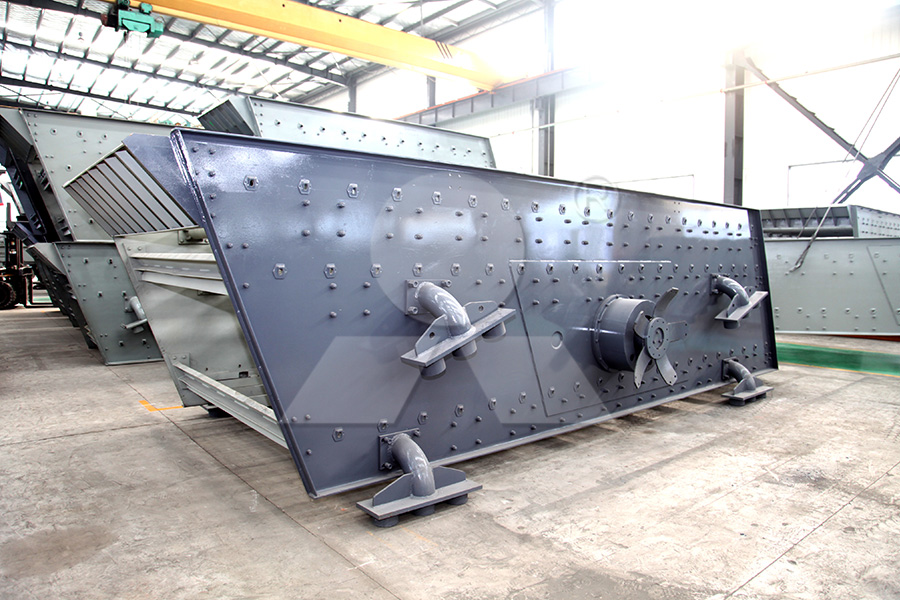
Chromite Ore Crushing for Gravity Beneficiation: Avoid Over-Pulverizing Chromite Grains
-
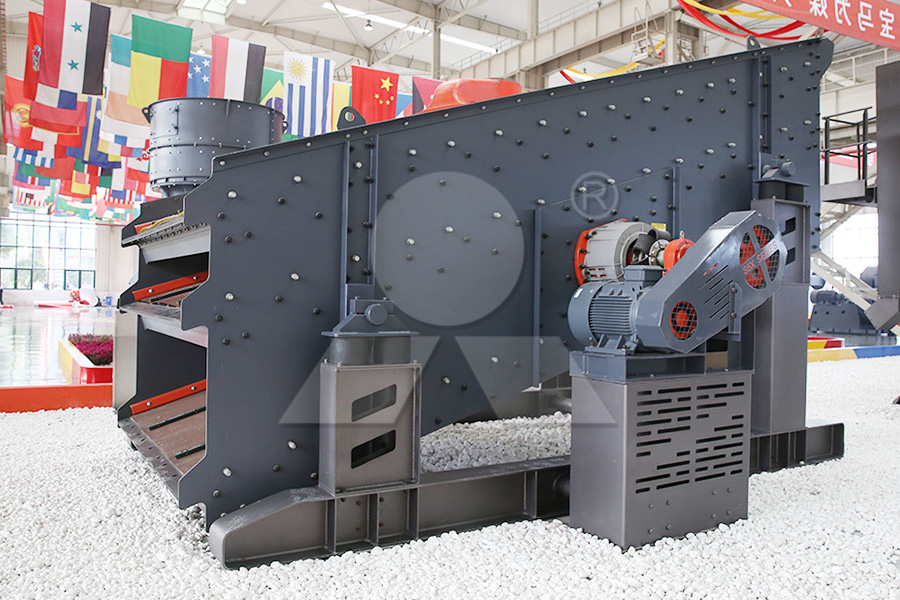
Tungsten Ore Crushing Circuit Design for Scheelite & Wolframite Pre-Sorting
-
Nickel Laterite Ore Crushing & Agglomeration Preparation for HPAL Process
-
Tin Cassiterite Ore Crushing Best Practice to Reduce Cassiterite Sliming Loss
-
Basalt Aggregate Crushing Plant: Producing High-Strength Road Base & Surface Aggregate