Mobile Spodumene Graphite Test Plant in Tanzania: Wheeled K Series Mobile Crushing for Bulk Sampling & Pilot Campaign
**Keywords**: mobile spodumene graphite crushing plant, K series wheeled mobile crusher lithium graphite, pilot test plant for pegmatite, bulk sampling mobile crushing
Many early-stage lithium-graphite exploration projects face a major barrier: they cannot build a fixed crushing plant for bulk sampling, because the mineralised pegmatite lens is small, and drilling core assays alone cannot reliably predict full-scale metallurgical performance. A Tanzanian exploration company with a newly discovered spodumene-graphite pegmatite body needed to process 12,000 tonnes of bulk sample across three separate mineralised zones, to generate bankable feasibility study metallurgical data. Building a permanent fixed crushing plant was financially irrational, because the deposit might not advance to production. Renting local crushing equipment was not viable, as available machines were configured for granite aggregate and poorly suited for brittle pegmatite with graphite.
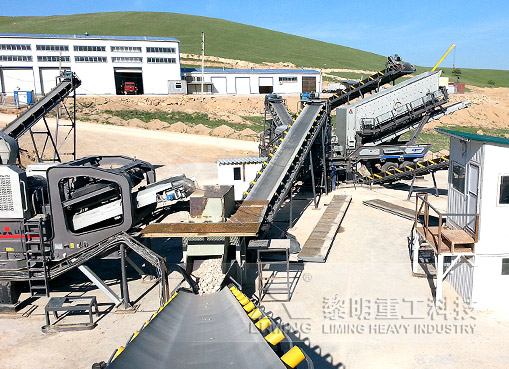
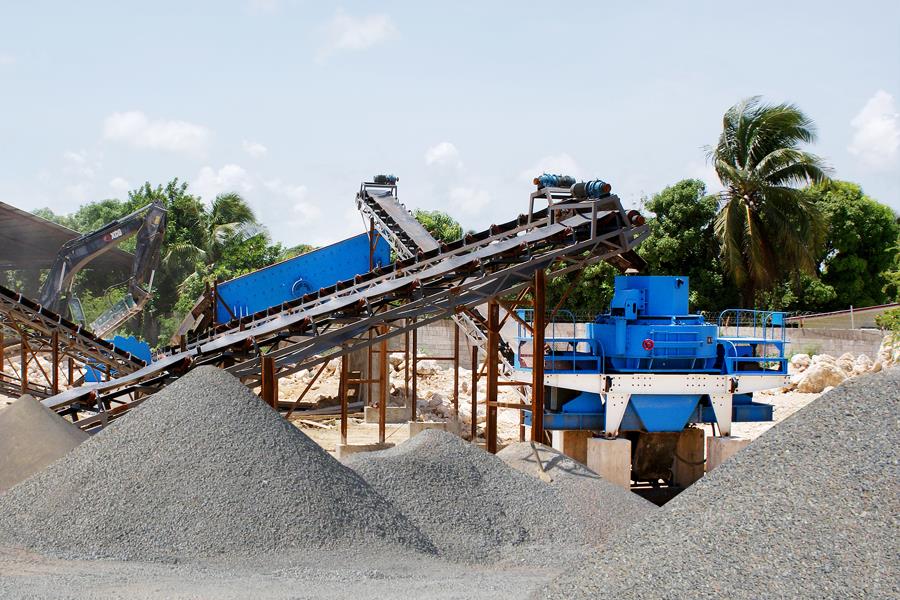
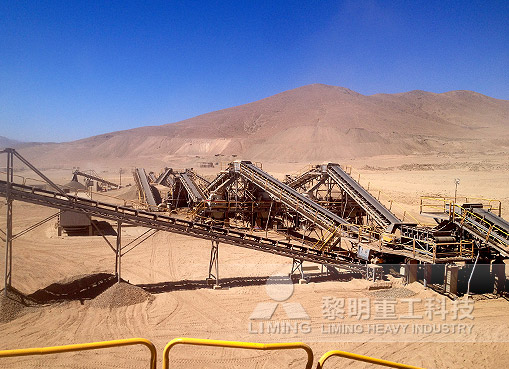
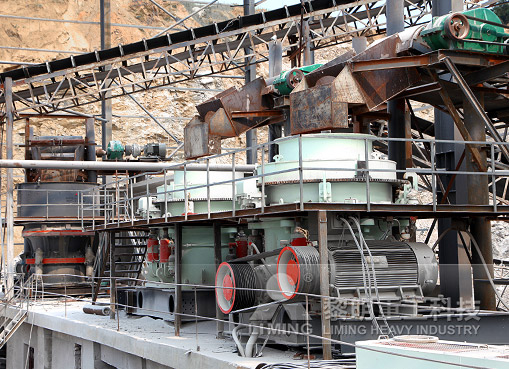
We delivered a custom K series wheeled mobile crushing and screening train, configured specifically for spodumene-graphite bulk sampling. The train consists of a wheeled jaw crushing module (C6X jaw), a wheeled cone crushing module (HST cone), and a mobile screening module, connected by transfer conveyors. The whole set can be relocated between three different bulk sampling pads within 2–3 days, without concrete foundations or permanent power infrastructure. We fitted the mobile plant with a diesel generator package and tramp iron magnetic separator, and added a sampling chute system with automatic cross-stream samplers to collect representative feed and product samples for the metallurgy lab.
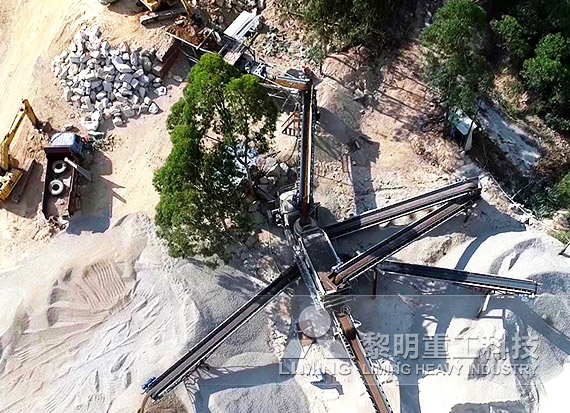
During the 4-month bulk sampling campaign, the mobile plant processed ore from zone 1, zone 2 and zone 3 sequentially. The operators adjusted cone CSS and screen cut size for each zone, because mineral texture and graphite flake size varied significantly between the pegmatite lenses. The test data they collected clearly showed zone 2 contained high-value large flake graphite, while zone 3 had fine graphite and higher iron impurities. This data directly shaped the final feasibility study, and the investor decided to prioritise mining zone 2 first. After the bulk sampling work finished, the mobile crushing train was moved to a second lithium prospect operated by the same company for another pilot campaign.
The customer calculated that using this mobile pilot crushing solution saved roughly 65% of the capital cost compared with constructing a temporary fixed crushing circuit. It also eliminated the risk of stranded fixed assets if the deposit proved uneconomic. For early-stage lithium-graphite exploration, mobile crushing is not only a cost-saving option; it is a flexible technical tool to de-risk mineral projects before large investment.