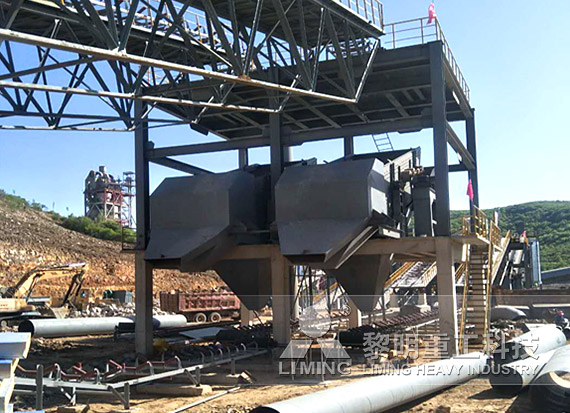
Multi-Specification Aggregate Synchronous Production Process for Mixed Engineering Orders
Large quarry enterprises often face mixed engineering orders, requiring multiple specifications of aggregate such as 0-5mm sand, 5-10mm stone, 10-20mm stone and 20-31.5mm road base stone. Traditional single-process production lines can only produce single-specification products, requiring repeated equipment adjustment and production line switching, resulting in low production efficiency and unstable product supply.
Unreasonable process layout will cause mutual mixing of different specifications of aggregate, unqualified gradation and waste of production capacity. How to realize synchronous and stable production of multiple specifications of qualified aggregate is the key to improving the comprehensive output and order bearing capacity of modern quarries.
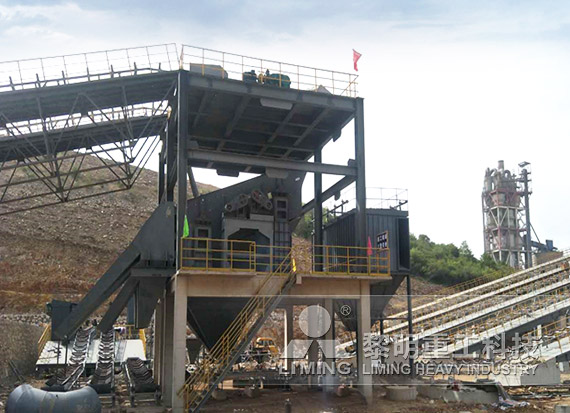
SMP multi-specification synchronous aggregate production process adopts multi-layer high-precision screening and modular crushing configuration. The optimized process flow can synchronously produce four to six kinds of finished aggregate of different specifications through one-time feeding and circulating crushing. The independent partition storage system completely avoids material mixing and ensures the purity of each specification of products.
This synchronous production technology greatly improves the production flexibility and order response speed of quarries, can meet the simultaneous supply needs of roads, bridges and concrete projects, maximize production line capacity utilization, and significantly improve the comprehensive economic benefits of aggregate plants.
Keywords: multi-specification aggregate production, synchronous stone processing, mixed engineering aggregate supply, high-efficiency quarry production, multi-layer screening process

-
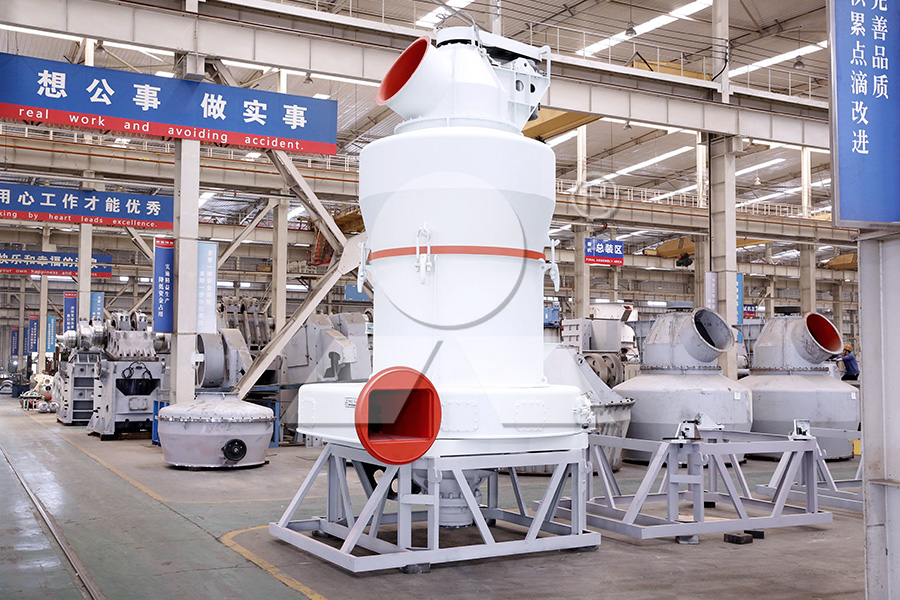
Lead-Zinc Ore Graded Crushing Process to Improve Flotation Efficiency
-
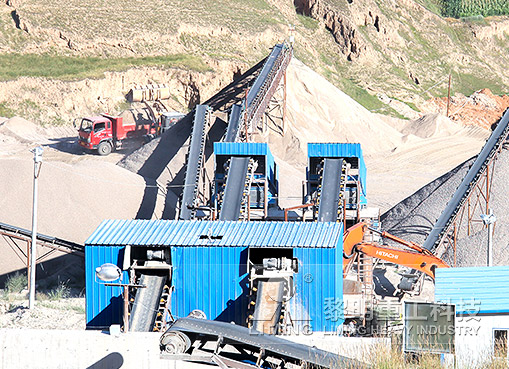
Low-Temperature Resistant Crushing Equipment Design for Cold Region Mining
-
Comprehensive Cost-Benefit Analysis of Metal Ore and Aggregate Plant Upgrading