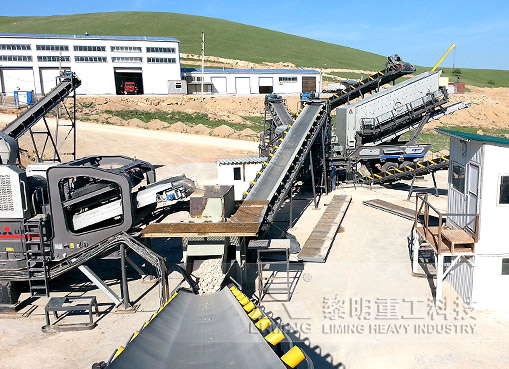
The process of crushing nickel ore and the configuration of a production line with a capacity of 200 tons per hour.
Nickel ore is a common metallic ore with a wide range of applications in deep processing, commonly used in metal beneficiation, refining of nickel-iron alloys, and stainless steel production. Below, we will present the crushing process and production line configuration for nickel ore beneficiation.
More detailed information about nickel ore crushing:
I. Nickel Ore Crushing Process
The nickel ore crushing process mainly includes two stages: crushing and screening. The specific process is as follows:
Primary crushing: The raw ore is fed into a jaw crusher by a feeder for coarse crushing.
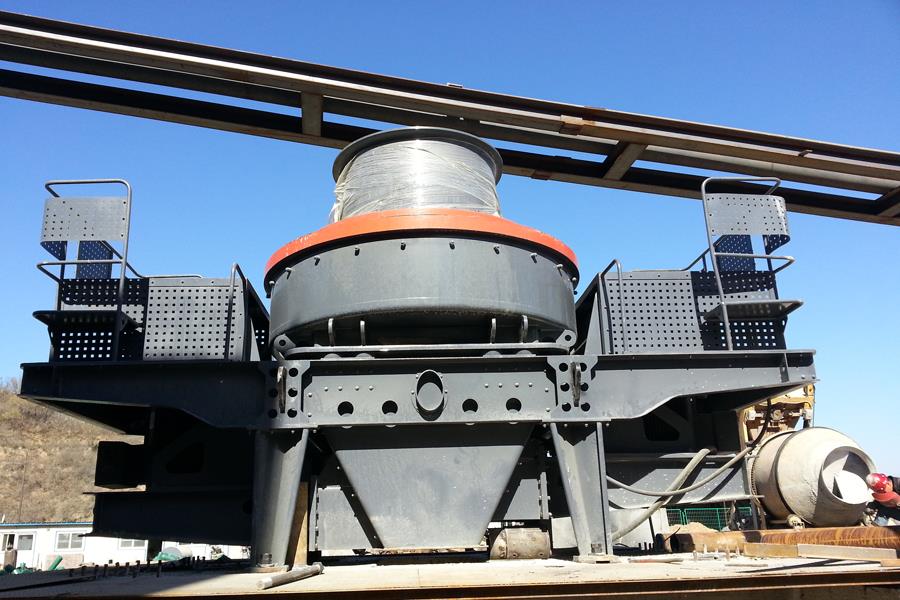
Secondary crushing: The coarsely crushed material is transported to a cone crusher for medium and fine crushing.
Screening: The medium and finely crushed material is screened using a vibrating screen. Material with a particle size less than 20 mm is sent to the finished product warehouse, while material larger than 20 mm is returned to the cone crusher for further crushing.
II. Models and Parameters of Nickel Ore Crushing Equipment
The main equipment used in the nickel ore crushing process includes jaw crushers and cone crushers.
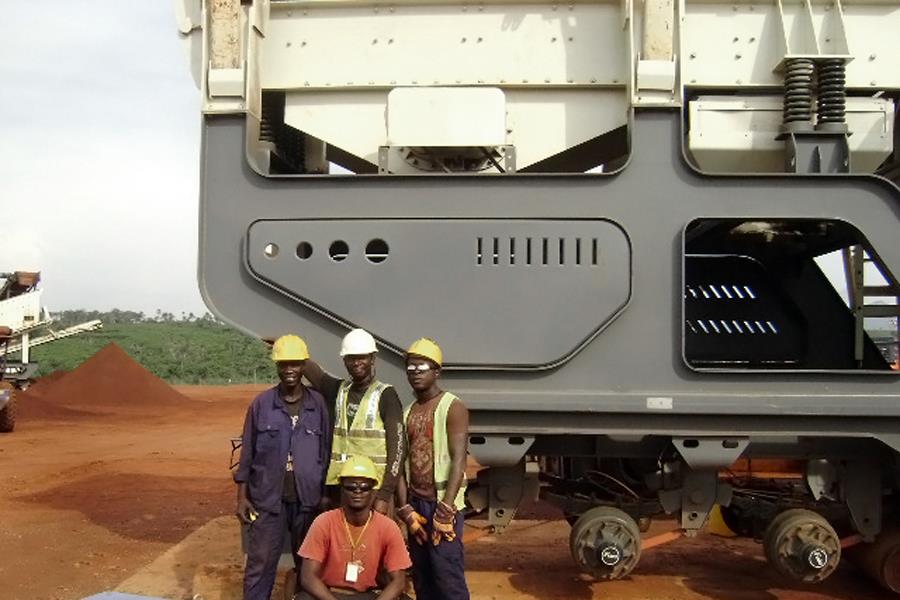
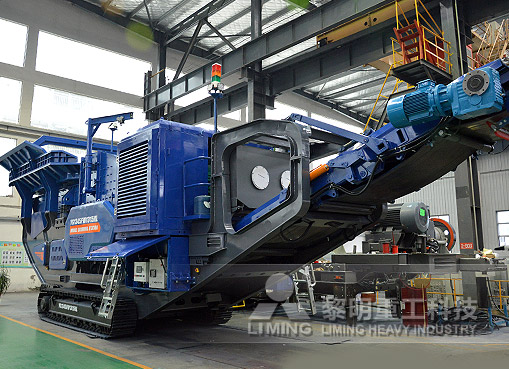
Jaw crusher (e.g., C6X80): Used for primary crushing, it has advantages such as high productivity and high crushing efficiency.
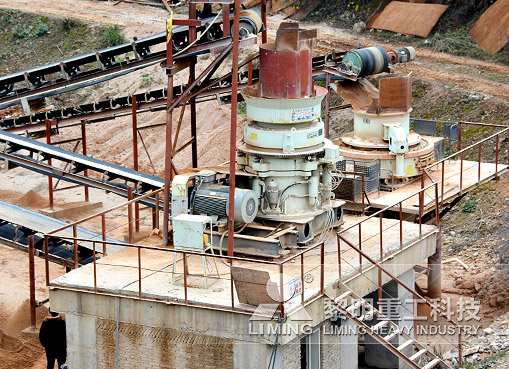
Cone crusher (e.g., single-cylinder hydraulic cone crusher HST160): Used for medium and fine crushing, it has efficient and stable crushing performance.
III. Configuration of a 200 tons/hour Nickel Ore Crushing Line
Below is an example configuration of a 200 tons/hour nickel ore crushing line:
Processed material: Nickel ore
Capacity: 200 tons/hour
Input material size: 0-700 mm
Final product size: 0-20 mm
Equipment configuration:
C6X80 Jaw Crusher
HST160 Single-cylinder Hydraulic Cone Crusher
The crushed nickel ore has a particle size of 10-30 mm, which can be used as a base layer material for the sintering machine, helping to improve the production efficiency of the sintering machine and reduce energy consumption. Particles of 0-10 mm can be added to the sintering mixture through the sintering hopper to adjust the R2, MgO, and Ni/Fe components in the sintered ore. Although there are different viewpoints, using nickel ore powder to adjust these components helps to improve the quality of the sintered ore. It is important to note that laterite nickel ore is usually imported from the Philippines or Indonesia, and during transportation and storage, it has a high moisture content. In the summer, to meet the requirements of the production process, it is usually necessary to increase the amount of lime used for dewatering, but this increases the CaO content in the ore powder. To balance the CaO content in the sintered ore, it is necessary to add crushed nickel ore powder with a high SiO2 content.
Using nickel ore powder instead of dolomite powder or lightly calcined magnesite powder is one of the effective ways to reduce the production cost of sintered ore. For manufacturers using rotary kiln drying technology, although there is no need to worry about dewatering the ore powder, attention should still be paid to potential changes in the binding phase and reduced strength caused by an imbalance in the magnesium-aluminum ratio in the sintered ore. Therefore, the requirements for ore selection and mixing are higher.
Summary
The nickel ore crushing process and production line configuration play a crucial role in metal enrichment. A reasonable crushing and screening process, as well as equipment configuration, can improve production efficiency and product quality while reducing production costs.

-
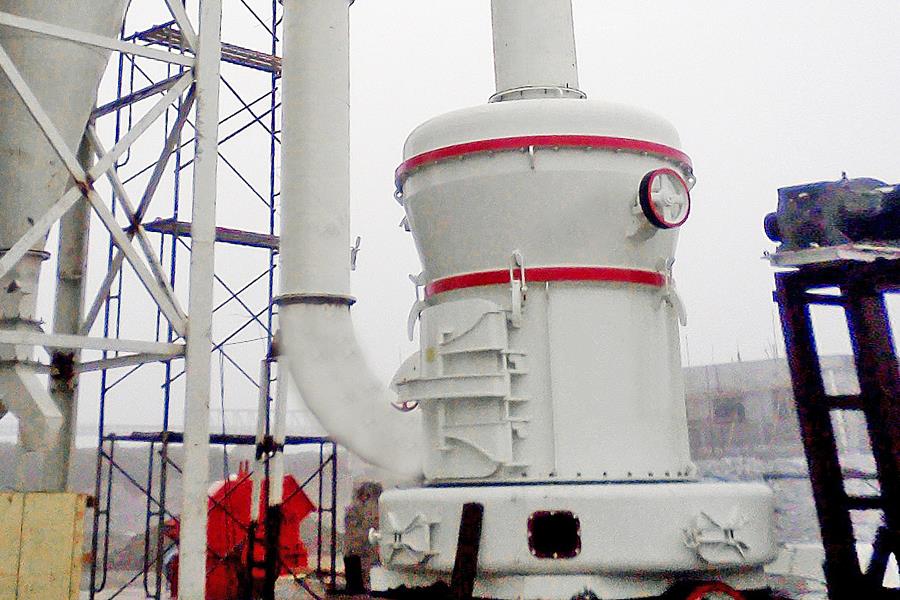
What equipment is used for crushing iron ore? What is the technological process flow diagram?
-
-
-
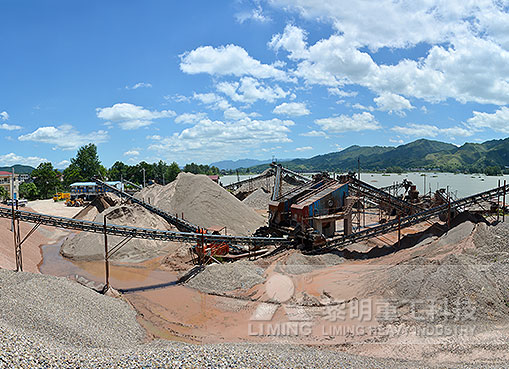
Technology and equipment for crushing and processing manganese ore: areas of application.
-