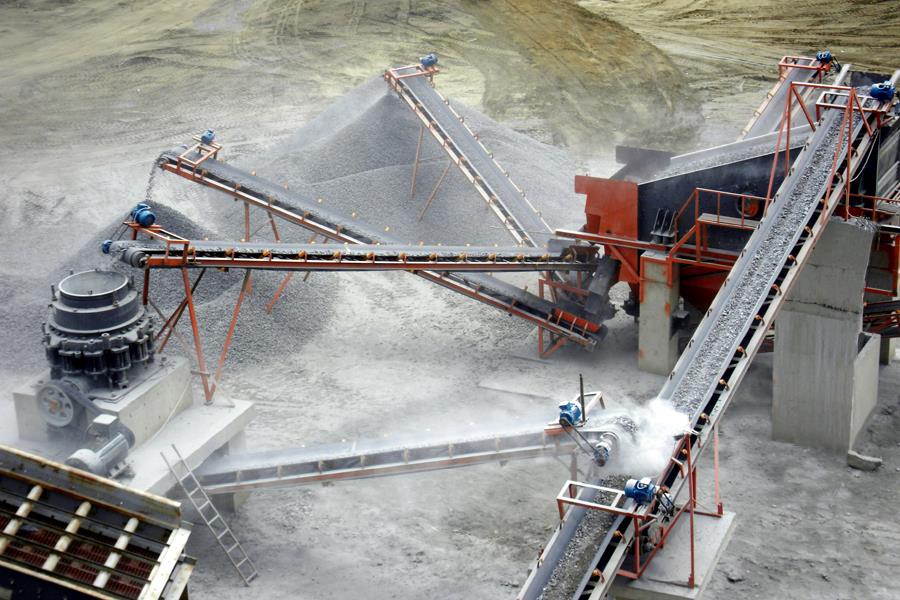
What are the advantages and disadvantages of wet sand making process in sand and gravel aggregate production line technology?
In the production of sand and gravel aggregates, water is not only an important working medium but also serves as a dust suppression measure, playing a crucial role throughout the entire process. This water-based production process is called the wet process. This process is typically used in areas with relatively abundant water resources, as this ensures a sufficient water supply to meet process requirements. Through the wet process, dust generation can be effectively controlled, production efficiency improved, and product quality and environmental sustainability ensured. This choice reflects the full utilization of natural resources and the emphasis on environmental protection.
Sand and Gravel Production Line Process Consulting

Sand and Gravel Production Line Video Demonstration: Shibang Jaw Crusher + Cone Crusher + Sand Making Machine On-site: 3.4 Million Tons/Year Basalt Crushing and Sand Making Project
Advantages:
(1) Good appearance of finished sand and gravel aggregates.
(2) During production, soil and stone powder are carried away by water flow, preventing dust generation and avoiding air pollution.
Main disadvantages:
(1) It consumes a large amount of water resources. Approximately 2-3.5 tons of water are needed per ton of sand and gravel. Direct discharge of the mud and wastewater generated during sand production will cause environmental pollution, and recycling requires significant additional equipment investment and costs.
(2) The yield of finished sand is low, and the proportion of particles smaller than 0.16mm does not meet the requirements of the "Specification for Construction of Hydraulic Concrete" regarding the fineness modulus and stone powder content of artificial sand. Furthermore, the finished sand has a high moisture content, which also fails to meet the requirement of less than 6% moisture content in the "Specification for Construction of Hydraulic Concrete".
(3) Since the finished product contains almost no stone powder, direct use will increase the amount of cement used in concrete, raising production costs.
(4) It requires a large amount of water supply, drainage, and wastewater treatment equipment, resulting in high investment, large land occupation, difficult operation and management, and high unit cost of finished sand and gravel aggregate.
(5) It is highly dependent on water resources and is only suitable for mining areas with relatively abundant water resources. Additionally, it cannot operate normally when the winter temperature is below zero.

-
How to improve dust control during limestone grinding mill operation?
-
How to choose the right stone crushing equipment for building a sand and gravel plant
-
-
How to avoid material blockage during cone crusher operation
-
Configuration Scheme and Equipment Selection for a 900t/h River Pebble Stone Production Line