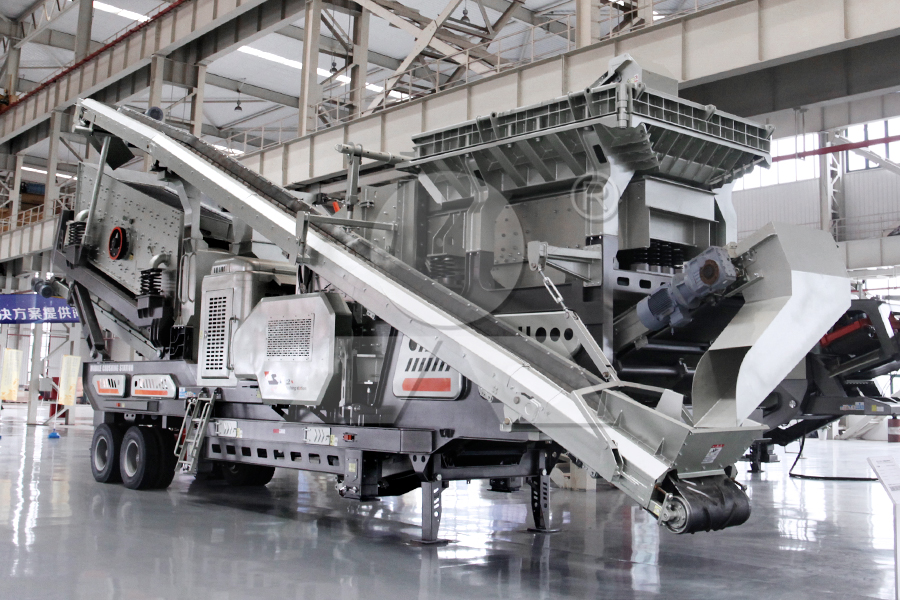
What are the main factors affecting the wear of jaw crusher wear parts?
The main factors affecting the wear of jaw crusher wear parts are as follows:
1. Part Shape
Jaw plates with different structures and shapes have different mechanical properties and internal metallographic structures after heat treatment, resulting in significant differences in wear resistance. The thicker the jaw plate, the more difficult it is to harden, and the worse the wear resistance. Since the internal wear resistance of the jaw plate is lower than the surface, thicker jaw plates can only be improved through effective casting and heat treatment processes. However, this method is difficult to significantly improve the wear resistance of the jaw plate. The best way is to optimize the jaw plate structure design without changing its strength. This can both improve the utilization rate of the jaw plate and reduce the impact of the structure on heat treatment performance, preventing a decrease in the wear resistance of the jaw plate.
Jaw Crusher Wear Parts Consultation
2. Material Selection
Generally, the harder the jaw plate, the higher the wear resistance. To improve the wear resistance of the jaw plate, it is necessary to increase the hardness, but increasing the hardness will reduce the impact toughness of the jaw plate. Therefore, balancing the hardness and impact toughness of the jaw plate is crucial for improving its wear resistance. Currently, commonly used materials for crusher wear parts include high-manganese steel, high-chromium cast iron, and low-carbon alloy steel. High-manganese steel has excellent toughness, superior processability, and low cost. It can rapidly work-harden under impact or contact stress, with a work-hardening index five to seven times higher than other materials, greatly improving wear resistance. However, if the impact force or contact stress is insufficient during use, rapid work hardening cannot occur, and the wear resistance of high-manganese steel cannot be fully utilized. High-chromium cast iron has good wear resistance but low toughness and is prone to brittle fracture. Low-carbon alloy steel is an alloy structural steel containing various elements such as chromium and molybdenum, characterized by high strength and excellent toughness. The matrix structure is martensite, bainite, or a composite structure of both.
3. Crusher Structure
Optimizing the crusher structure can give the movable jaw plate excellent movement, reducing wear and improving processing capacity. A reasonable design of the crushing chamber can reduce blockages and slow down the wear rate of the movable jaw plate. Therefore, attention should be paid to the design of the crushing chamber when designing the crusher structure. The shape and size of the crushing chamber must meet certain requirements. First, the amount of material entering the crushing chamber per unit time must not exceed the amount that can be crushed and discharged; otherwise, the machine will be overloaded and clogged. Second, the material must be evenly distributed in the crushing chamber to ensure stable operation. Third, to improve crushing efficiency and prevent clogging and over-crushing, the crushed material must be able to be smoothly discharged from the crushing chamber. Finally, to ensure that the product fineness and shape are cubic, a parallel zone should be designed at the bottom of the crushing chamber of the crusher.
4. Influence of Crusher Feeding Conditions
Feeding conditions include: feed particle size, hardness, and the feeding method of the crusher. The feed particle size and hardness of the material are closely related to whether material accumulation occurs in the crusher and the impact force exerted on the jaw plates. Different feeding methods of the crusher lead to different drop heights of the material onto the jaw plates, affecting the impact force generated by the jaw plates striking the material. With a constant jaw plate weight, the impact force of the jaw plate is directly proportional to the material mass and drop height, and the impact force is closely related to the wear resistance of the jaw plate. In addition, the material should not have too high a moisture content; otherwise, the material will easily stick together, causing material accumulation, accelerating jaw plate wear, and reducing its service life.

-
-
-
-
What are the advantages of manufactured sand compared to natural sand?
-
How to solve the problem of uneven stone size in impact crushers?