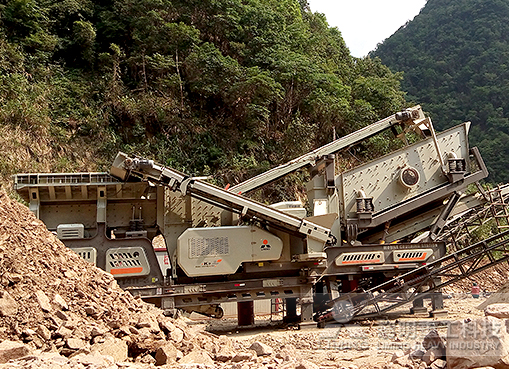
How to solve the problem of uneven stone size in impact crushers?
On the production line, sometimes the crushed stone produced by the impact crusher is not uniform enough and appears relatively coarse. To address this issue, it's crucial to thoroughly investigate the causes of the uneven stone size before implementing targeted solutions.
Generally, there are two main reasons for uneven stone size from an impact crusher: first, the feed material is too large; second, the material hardness is too high. Different solutions are required for these two different situations.
When oversized feed material leads to uneven stone size, we need to appropriately reduce the size of the feed material. By adjusting the feed size to match the crushing ratio of the impact crusher, the uniformity of the crushed stone can be effectively improved.
When the material hardness is too high, making crushing more difficult, it's necessary to consider reducing the crushing ratio and appropriately increasing the size of the discharge opening. This reduces wear on the hammer plates and impact plates, while also improving the uniformity of the crushed stone to some extent.

Whether reducing the feed size or adjusting the crushing ratio and discharge opening size, the key is to apply the right solution based on the specific situation. Through scientific analysis and reasonable adjustments, the problem of uneven stone size from the impact crusher can be effectively solved, improving the efficiency of the production line and the quality of the product.

-
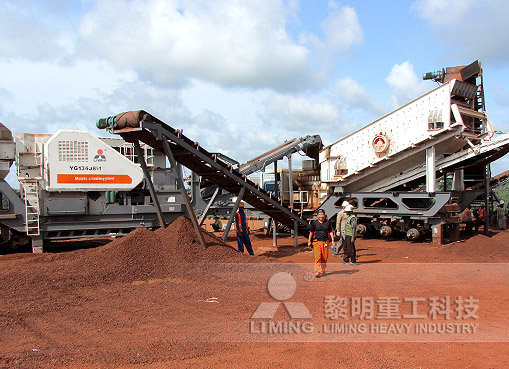
How to design a high-quality sand and gravel aggregate production line?
-
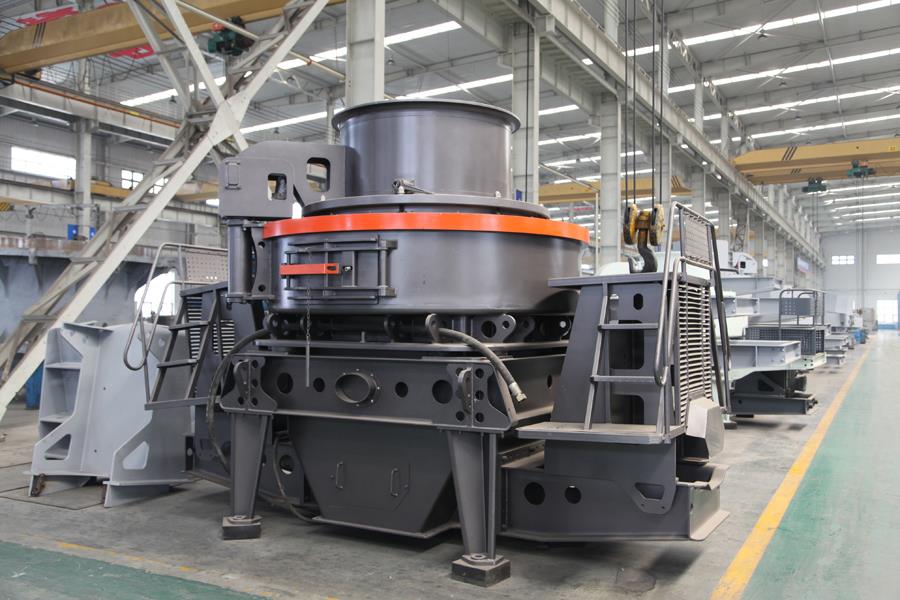
How to choose crushing equipment? Equipment configuration for basalt crushing production lines.
-
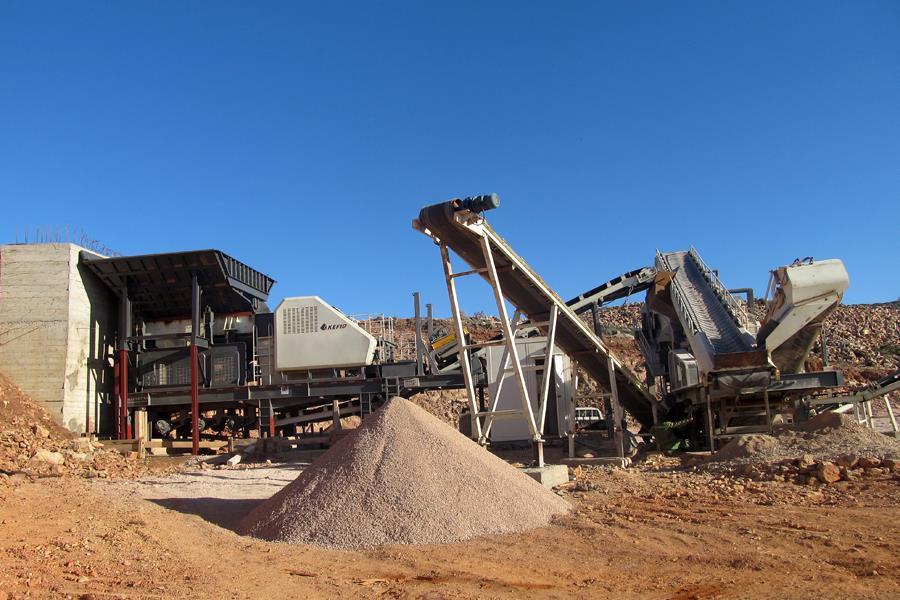
Why are cone crushers chosen for large-scale sand and gravel production lines?
-
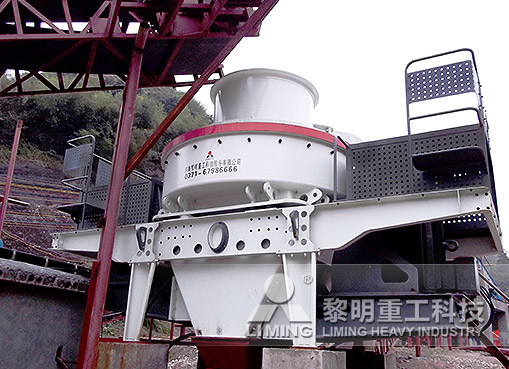
What factors should be considered when selecting equipment for a sand and gravel production line?
-
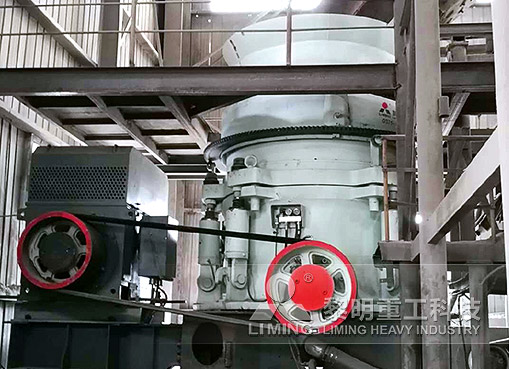
What are the sand production rate and influencing factors for granite crushing?