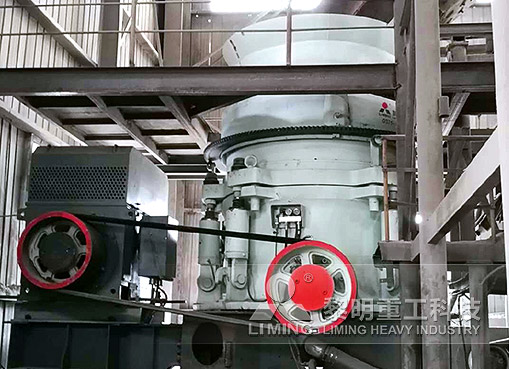
What are the sand production rate and influencing factors for granite crushing?
The sand production rate of granite crushing is mainly affected by factors such as rock properties, rock size, crushing method, and sand making equipment.
Sand Making Machine Selection and Consultation
Among these factors, the properties of the rock, such as hardness and toughness, have a significant impact on the sand production rate, while the crushing method and sand making equipment can be optimized by selecting appropriate models and parameters to improve the sand production rate.
1. Hardness and Toughness
Generally, the harder the granite, the more difficult it is to crush, resulting in a relatively lower sand production rate. Softer and less tough granite is easier to crush, resulting in a relatively higher sand production rate.
2. Rock Size
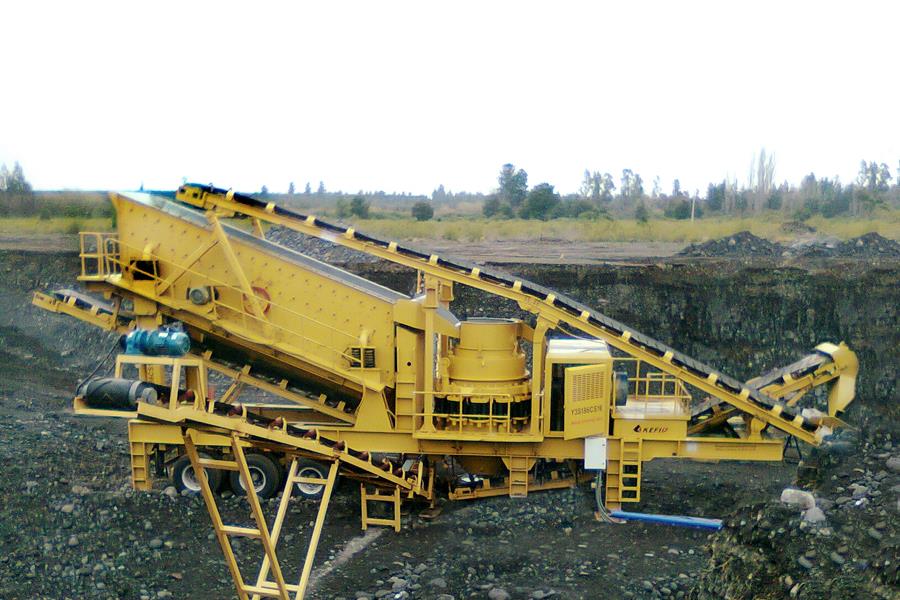
Rock size is an important factor affecting the sand production rate. Generally, the larger the granite particles, the more difficult it is to crush, requiring greater crushing and grinding force to break them down into sand, resulting in a relatively lower sand production rate. If the granite particles are too large, it will also increase equipment wear and energy consumption, reducing production efficiency. Therefore, in the granite sand making process, it is necessary to select granite of appropriate size as raw material according to the actual situation.
3. Other Mineral Content
The content of other minerals in granite also affects the sand making effect. For example, a higher content of minerals such as mica, feldspar, and quartz may reduce the sand production rate.

-
-
How can sand and gravel plants improve the sand output rate of sand making machines?
-
How to choose a sand making machine for processing high-quality sand and aggregate?
-

-
How to configure a limestone crushing production line with a capacity of 500 tons per hour?