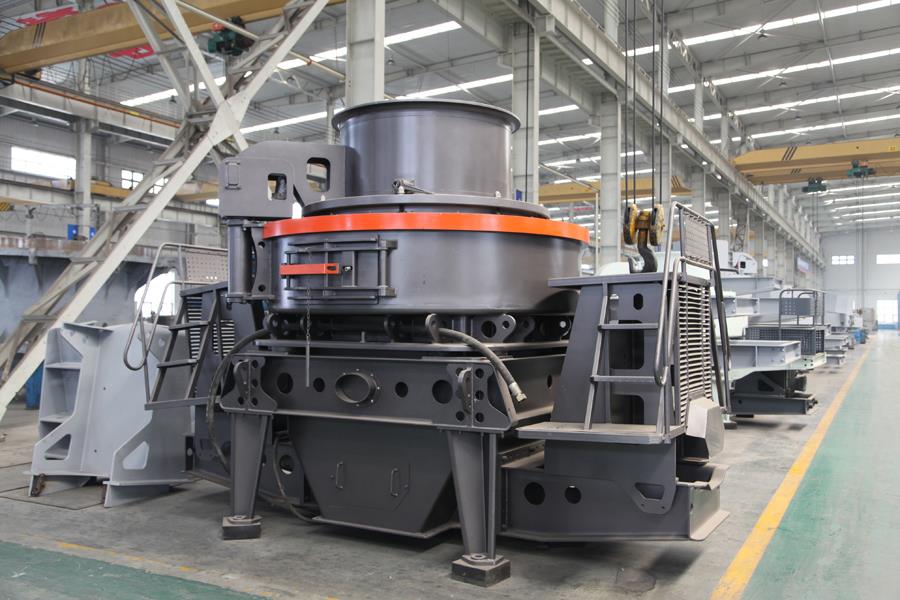
How to choose crushing equipment? Equipment configuration for basalt crushing production lines.
Among the numerous components of concrete structures, sand and gravel aggregates, accounting for 60% to 80% of the total mass of concrete, are undoubtedly the cornerstone. Their quality directly impacts the overall strength and quality of the building. In the processing of sand and gravel aggregates, the selection of crushing equipment is particularly crucial, as it directly determines the final quality of the aggregate.
I. Crushing Mechanisms: Diverse and Comprehensive
Stone crushers primarily utilize mechanical energy for crushing, encompassing various methods such as compression, splitting, fracturing, shearing, and impact. In the actual crushing process, these mechanisms often combine and interact to transform the stone from large to small sizes.
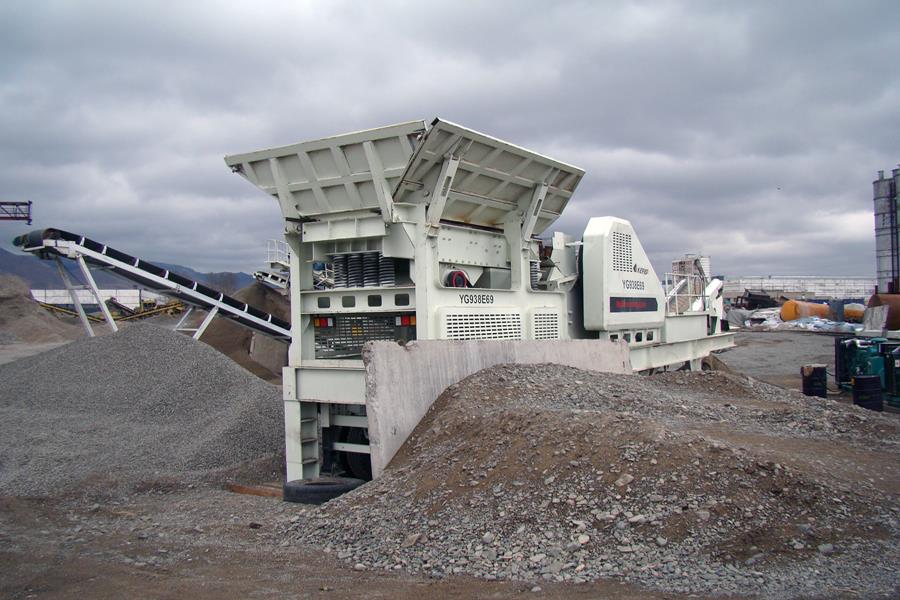
II. Selection Influencing Factors: Detailed and Comprehensive
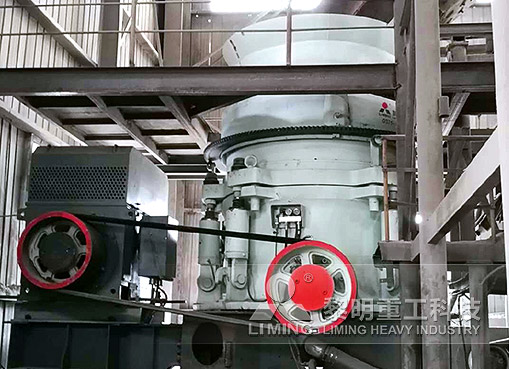
Selecting equipment for a crushed stone production line is not a simple task; it requires considering multiple factors. First, the type, hardness, and brittleness characteristics of the raw stone material determine the type of crusher to be used. For example, soft and brittle stones are suitable for jaw, impact, or hammer crushers, while hard and brittle stones are better suited for cone crushers. Second, the performance and applicability of the crusher must also be considered. Different crushers vary in crushing ratio and output particle shape, requiring selection based on actual needs. Furthermore, production capacity, equipment compatibility, and specific quality requirements for the crushed stone are also factors that cannot be ignored during selection.
III. Basalt Crushed Stone Production Line: Challenges and Strategies
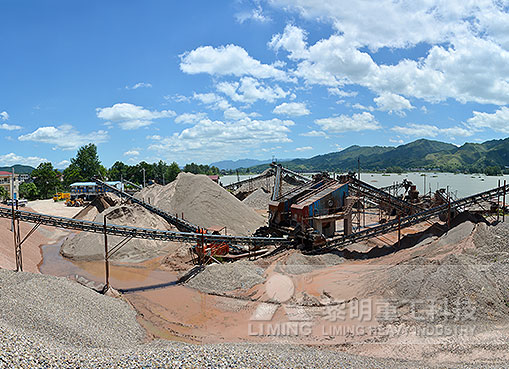
Basalt, with its high hardness, high silicon content, and strong abrasiveness, presents a challenge in crushing operations. To reduce wear and tear on wear parts, crushing equipment based on the lamination principle should be used in the crushing process design whenever possible. In the specific production line configuration, a multi-stage crushing process is usually employed, typically involving vibrating feeders, jaw crushers, cone crushers, and impact crushers, supplemented by vibrating screens and dust removal equipment to ensure that the particle size and shape of the crushed stone meet the requirements.
Through the rational selection of crushed stone production equipment, efficient configuration, and process optimization, the processing quality of sand and gravel aggregates can be effectively improved, providing a solid foundation for concrete construction. In the future of sand and gravel aggregate processing, we anticipate more technological innovations and equipment upgrades to jointly promote the sustainable development of the industry.

-
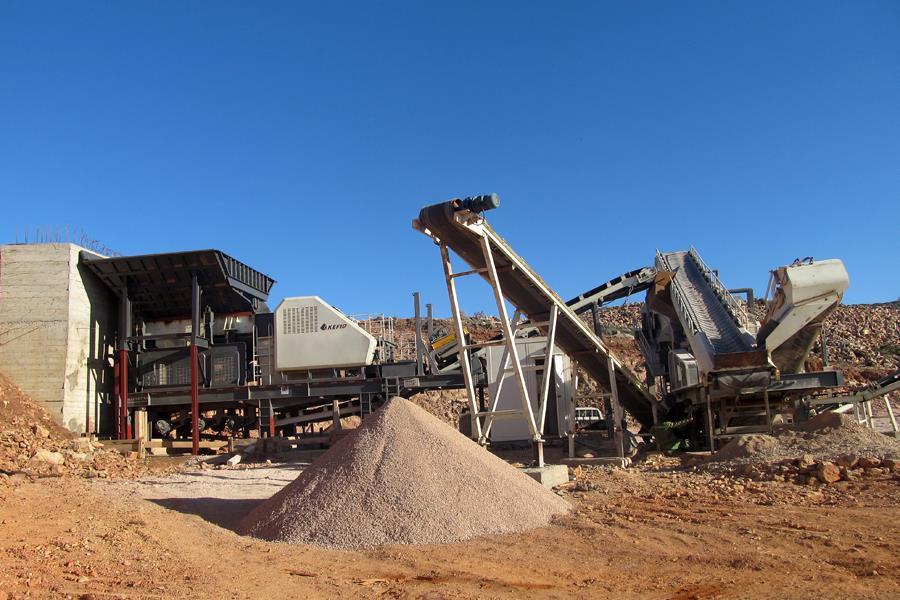
Why are cone crushers chosen for large-scale sand and gravel production lines?
-
What factors should be considered when selecting equipment for a sand and gravel production line?
-
What are the sand production rate and influencing factors for granite crushing?
-
-
How can sand and gravel plants improve the sand output rate of sand making machines?