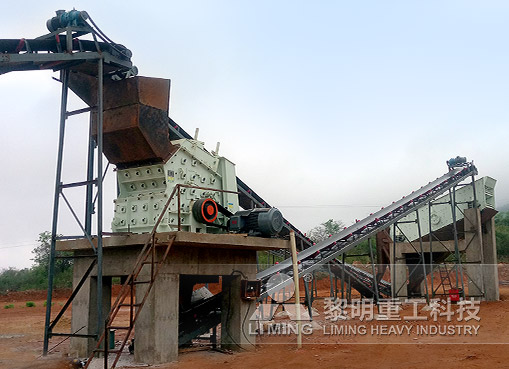
Why is granite so difficult to crush? A construction plan for a 300-ton-per-hour granite crushing production line.
Granite, with its unique mineral composition and physical properties, exhibits remarkable hardness and compressive strength. Its mineral grains consist of up to 90% feldspar and quartz, both extremely hard minerals. Granite has a very high density, with mineral grains tightly bound together, leaving almost no voids and resulting in a very low porosity of only 1%. This compact structure allows granite to perform exceptionally well under pressure, exhibiting excellent compressive strength and making it difficult to crush.
Granite Sand and Gravel Production Line Construction Scheme Consultation
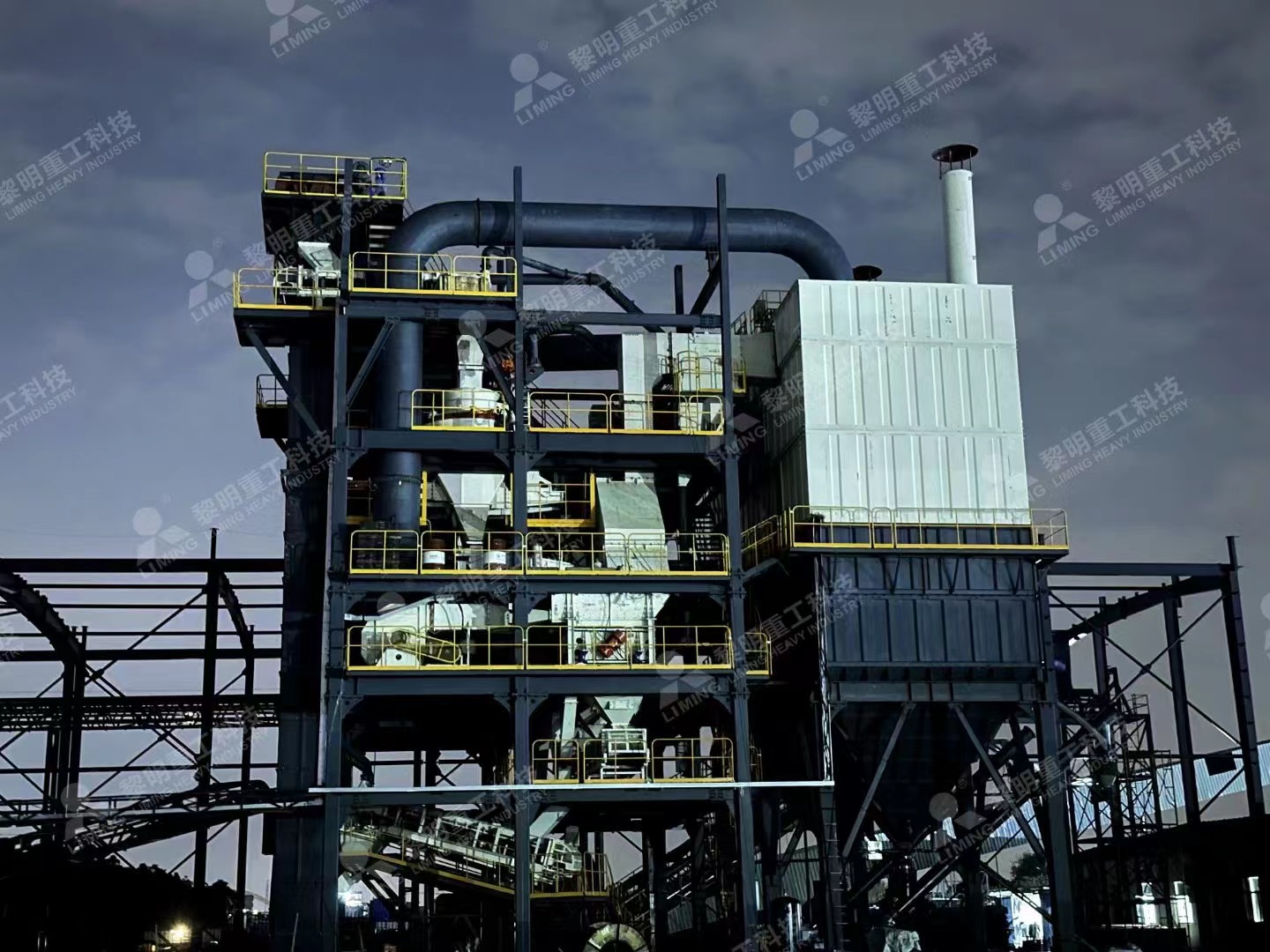
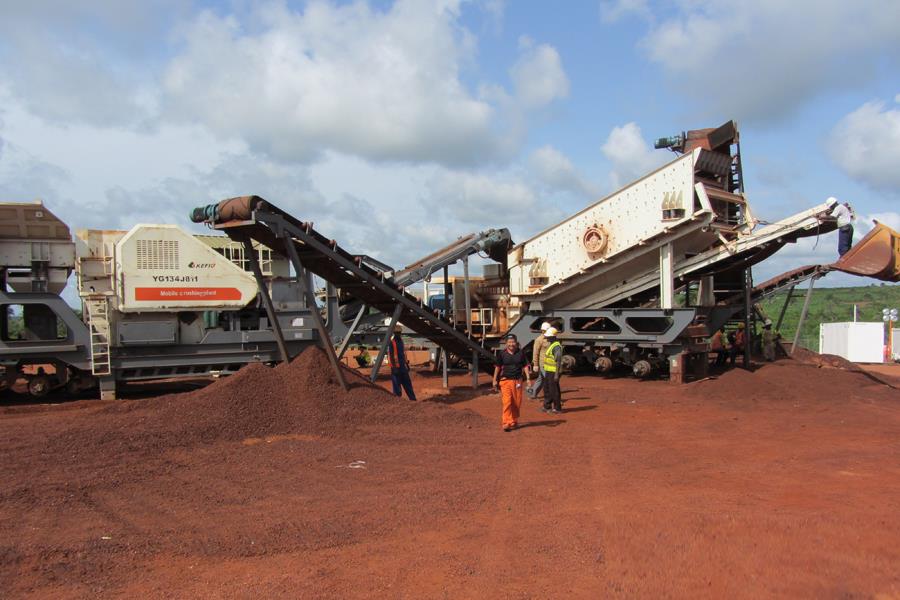
Case Study: 300 tons/hour Granite Crushing Production Line:
Production Capacity: 300 tons/hour
Feed Size: ≤800mm
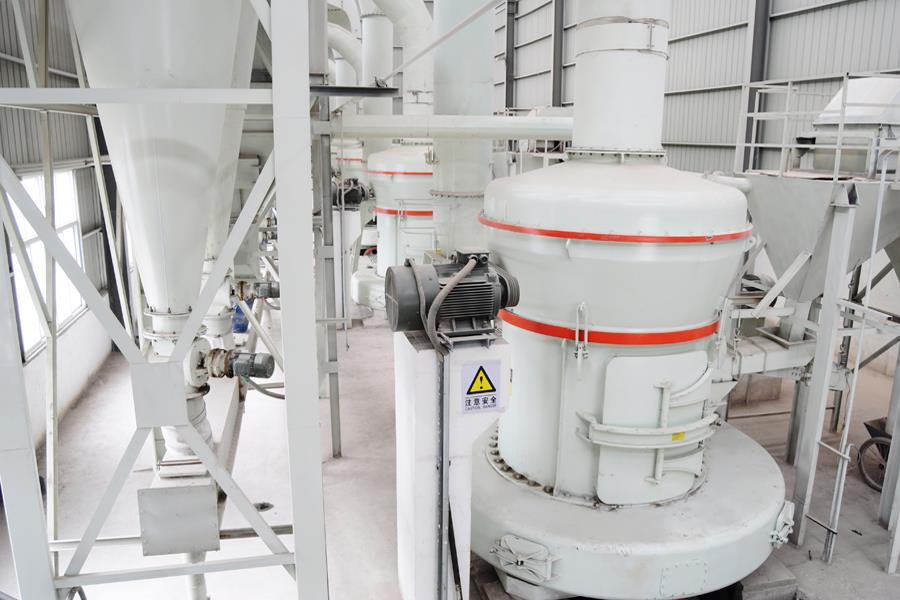
Finished Product Specifications: 0-5mm (manufactured sand), 5-10-20mm
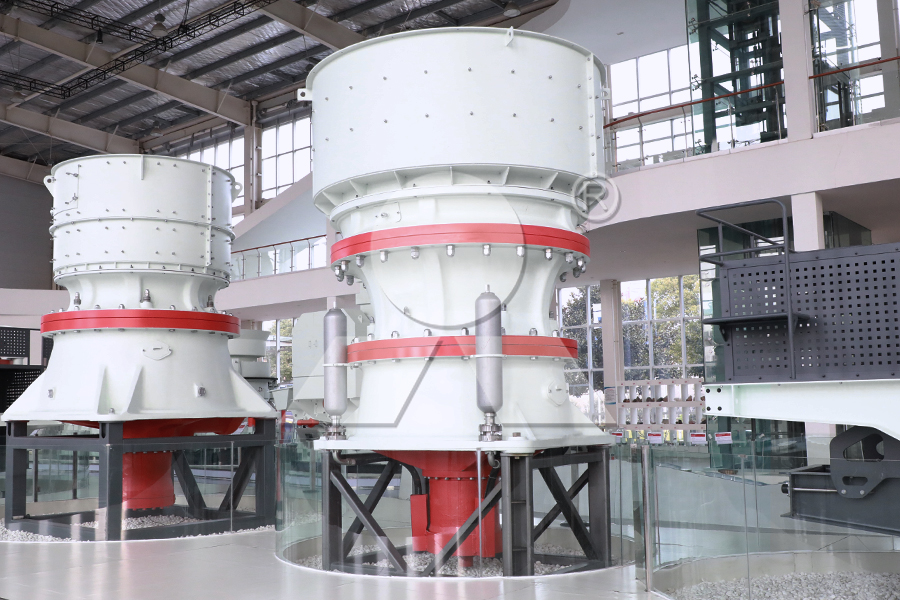
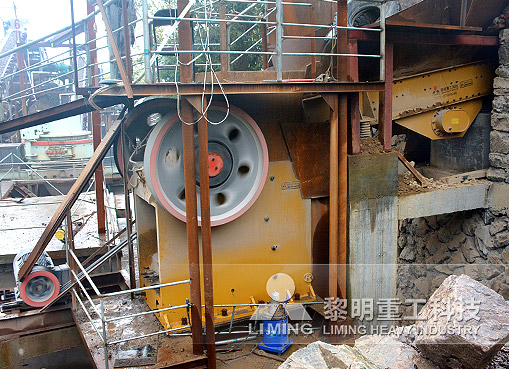
Equipment Configuration: ZSW600×130 Vibrating Feeder, PE900×1200 Jaw Crusher, 3Y3072 Vibrating Screen, HPT300C1 Cone Crusher, several conveyors
Production Line Advantages: This production line utilizes a combination of jaw crusher and cone crusher, with a reasonable layout, smooth and stable operation, high efficiency, and low failure rate. The crushed stone product is of superior quality, commanding a high price, resulting in significant user profits and high customer satisfaction. The entire production line demonstrates excellent performance and reliability, creating considerable economic benefits for users.
-
What factors affect the price of sand making machines in a sand and gravel production line?
-
-
-
What factors affect the production capacity of cone crushers?
-