Benefits of Secondary Aggregate Blending in Crushing Plants
Modern high-standard concrete projects require well-graded aggregate with continuous particle distribution. Single-sized crushed stone cannot meet gradation requirements. Second
Send InquiryProduct Details
Modern high-standard concrete projects require well-graded aggregate with continuous particle distribution. Single-sized crushed stone cannot meet gradation requirements. Secondary aggregate blending technology mixes different stone fractions to optimize particle packing density and improve concrete strength.
Aggregate blending effectively reduces void ratio between stones, decreases cement consumption and enhances concrete durability. It also lowers production waste rate by reusing excess fine particles produced during crushing and screening.
Common blending methods include automatic batching silos, belt proportional mixing and centralized mixing bins. Intelligent flow meters accurately control the proportion of coarse aggregate, medium stone and manufactured sand to ensure stable finished gradation.
A 350TPH mixing-type aggregate plant in Spain adopted secondary blending system. After optimization, concrete void ratio decreased by 7%, cement consumption reduced by 9%, and finished aggregate sales price increased due to higher commercial quality.
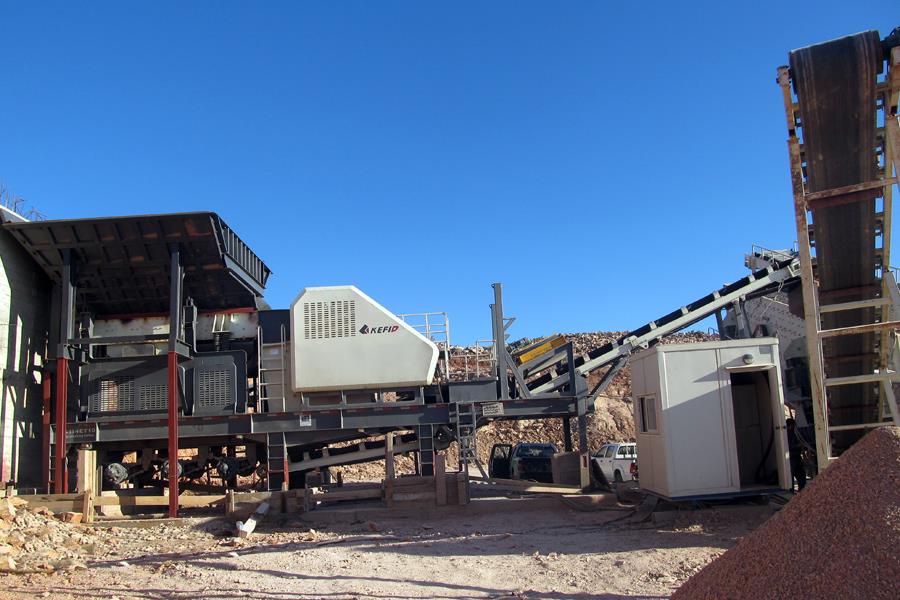
Aggregate blending has become a necessary process for European and Middle East high-standard mixing stations.
For aggregate gradation optimization services, visit https://www.smpcrusher.com.
Keywords: aggregate blending, particle gradation optimization, concrete aggregate, mixing plant aggregate, void ratio reduction

Related Showrooms
-
-
-
Application of Iron Ore Tailings in Building Bricks Production
-
-
Industry Professional Articles (Focus on Technology & Cases - New Batch 6)
Inquiry