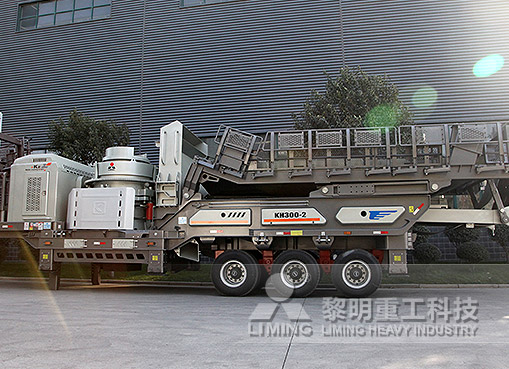
How to reduce the energy consumption of crushing equipment during the operation of a stone production line
The following methods can be used to reduce energy consumption of crushing equipment during the operation of a stone production line:
During the crushing process, it is essential to ensure that no non-crushable materials such as iron blocks are mixed into the crushing chamber to avoid damaging the equipment. Simultaneously, the input bulk materials must meet crushability requirements; their strength must not exceed the maximum capacity of the crusher to ensure smooth crushing and normal equipment operation.
Crushing Equipment Knowledge Consulting
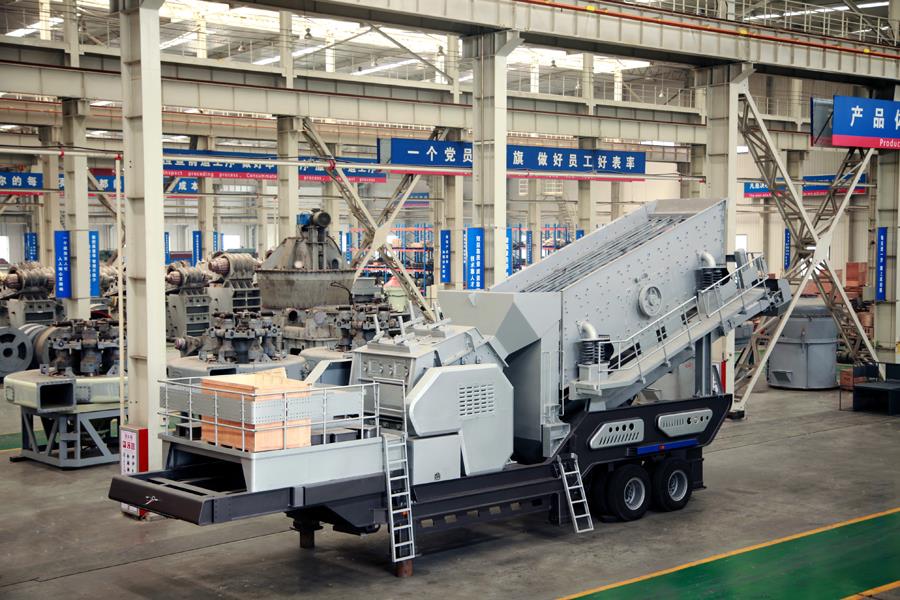
When crushing materials, differences in material strength can lead to uneven crushing results. Stronger materials tend to protect weaker materials, resulting in uneven crushing probability and particle size distribution. Furthermore, this strength difference can affect the stress distribution on the liner plates within the crushing chamber, leading to uneven liner wear and potentially interfering with the normal operation of the crusher. Therefore, to improve crushing efficiency and ensure stable equipment operation, we should strive to ensure the uniformity of the strength of the feed material during production. This not only optimizes the crushing effect but also reduces liner wear and extends the equipment's service life. Through this measure, we can better leverage the advantages of laminated crushing technology and improve overall production efficiency.
Layered crushing is a highly efficient crushing method that requires materials to reach a certain filling degree in the crusher to achieve optimal crushing results. When bulk materials occupy more than 40% of the crushing volume, the crushing process can fully achieve layered crushing. For compression crushers, a material filling degree of 55% ensures the full realization of layered crushing. Layered crushing not only improves crushing efficiency but also significantly reduces the energy consumption of the crusher. Studies have shown that when bulk materials are in 6-10 layers, the energy utilization rate of the crusher is maximized, with particularly significant energy-saving and consumption-reducing effects. Therefore, during the crushing process, rationally controlling the material filling degree and the number of layers is key to achieving efficient and energy-saving operation of crushing equipment.

Generally, the average particle size of the feed equivalent is about half of the allowable MAX feed particle size, so the number of material layers in the feed layer is about 2. When the blockage layer height in the crusher is 93 mm, the average particle size of the material can reach 9.45 mm, so the number of layers in the feed hopper can be determined to be 9.8 layers, and the blockage layer meets the requirements for the number of feed layers.
In summary, in a crusher, the closer the material is to the blockage layer, the more the feeding layer can meet the feeding requirements, and the more the crusher can achieve the goal of energy saving and consumption reduction.

-
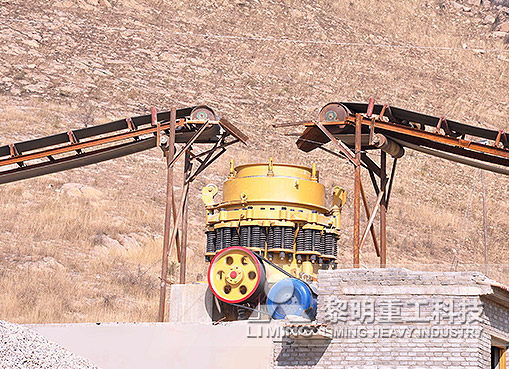
Gypsum powder production line process flow and configuration
-
What factors influence the price differences of limestone Raymond mills?
-
-

What are the advantages of a mobile stone crushing plant for river pebbles?
-
What are the reasons for the reduced output of jaw crushers?