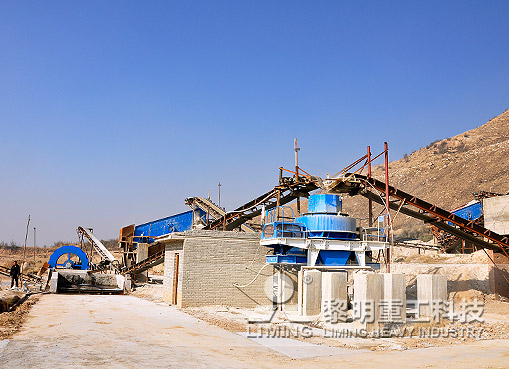
Fine Crusher CSS (Closed Side Setting) Calibration for Metal Ore Liberation
Closed side setting is the smallest gap between crusher liners at the bottom of the crushing chamber, the single most important adjustable parameter for cone crushers. In aggregate plants, CSS mainly controls top size and particle shape. In metal ore c
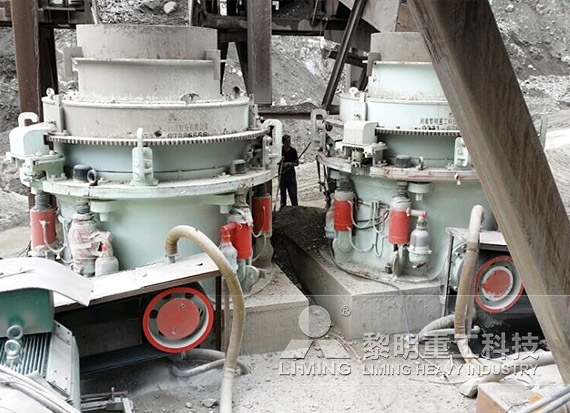
Fluorite (Fluorspar) Crushing and Sorting for Acid-Grade and Metallurgical-Grade Concentrate
Fluorite, or fluorspar, supplies hydrofluoric acid production and metallurgical flux. Acid-grade fluorspar needs very high CaF₂ purity and low silica, while metallurgical grade accepts lower purity but requires consistent lump sizing. Fluorite is bri
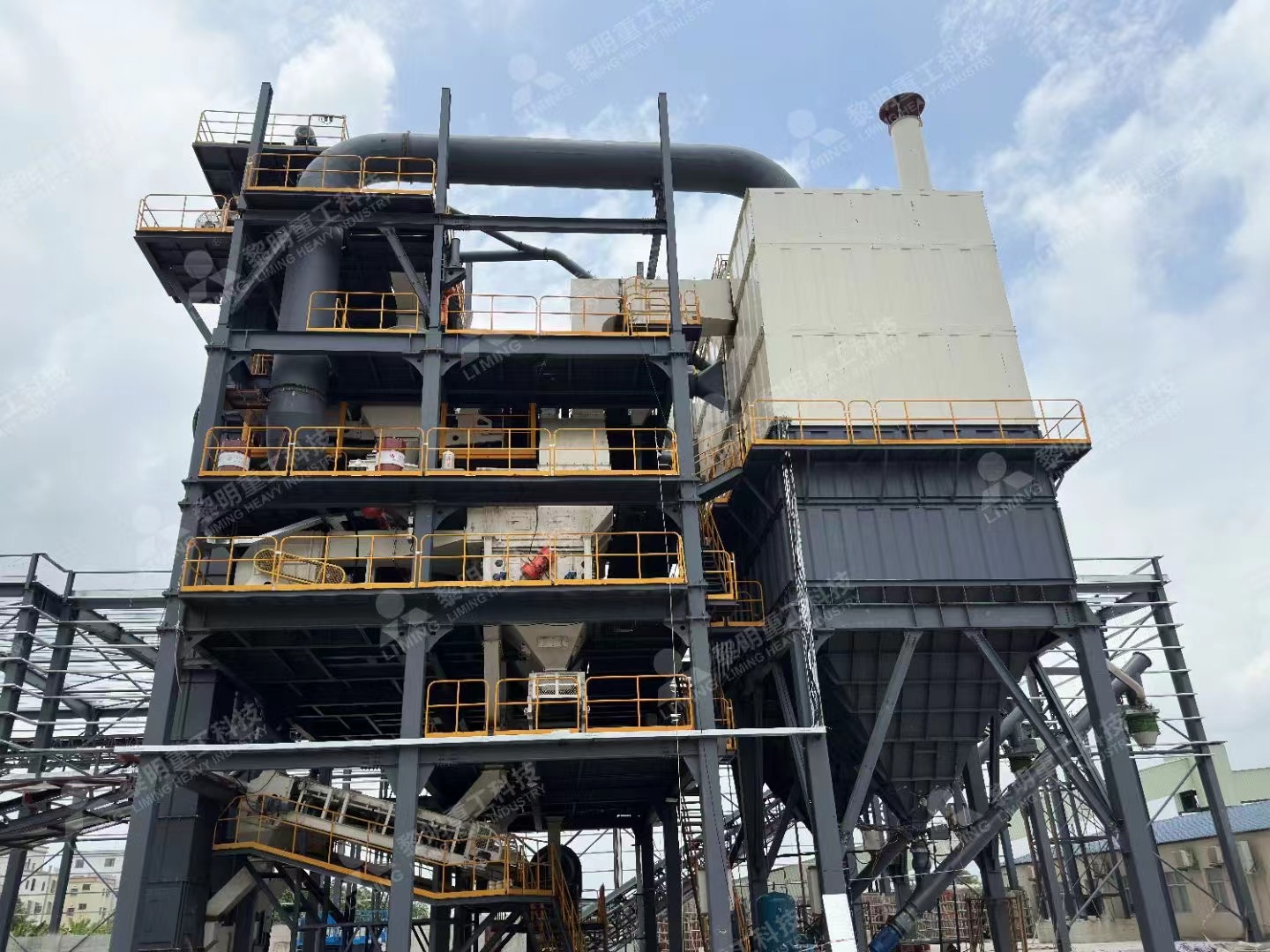
Crusher Feed Surge Bin Design to Eliminate Surging in Metal Ore Plants
Feed surging is a silent efficiency killer in metal ore crushing circuits. Uneven, pulsed feed into a jaw or cone causes variable power draw, pressure spikes, liner fatigue and fluctuating product size. Surge usually comes from poorly designed bins, ar
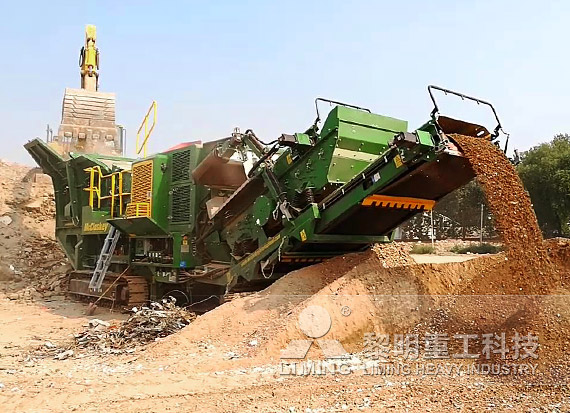
Barite Crushing for Drilling Mud Weighting Agent and Industrial Filler
Barite (barium sulfate) is dense, soft and chemically inert, the primary weighting agent for oil and gas drilling mud. Drilling-grade barite requires strict specific gravity, particle size and low soluble alkali content. Industrial filler-grade barite
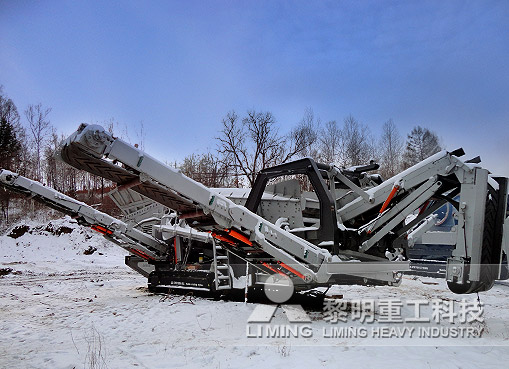
River Pebble Sand Making: Abrasion Control and Iron Removal for Construction Sand
River pebble is a popular feedstock for manufactured sand because it is naturally rounded and low in rock fractures. But river pebbles often contain magnetite, hematite and heavy mineral impurities. If not removed, these iron-bearing minerals discolor
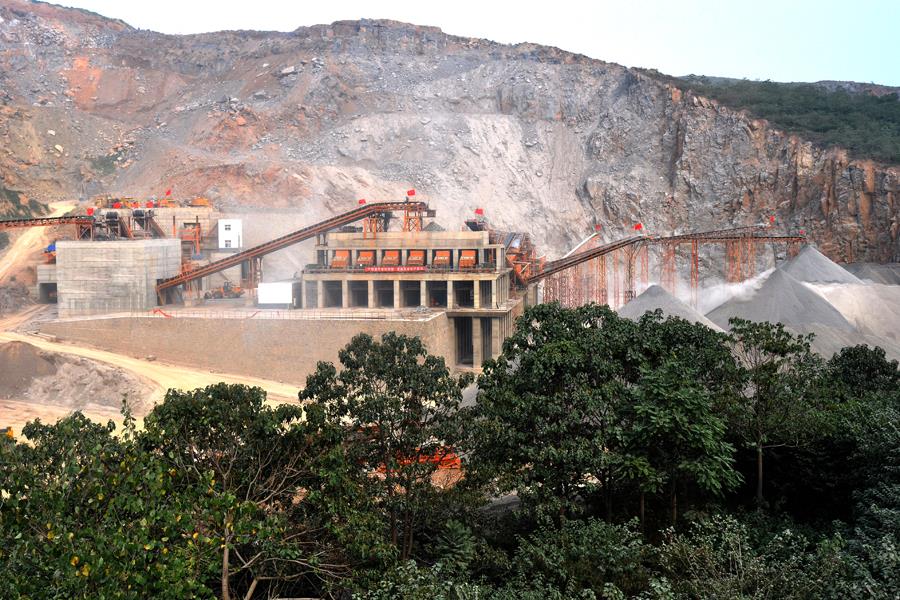
Pebble Crushing Circuits in Semi-Autogenous Grinding (SAG) Mills
SAG mills are widely used in large metal ore concentrators for copper, gold and iron ore. As ore tumbles inside the SAG mill, hard rock pebbles build up because they resist grinding media impact. If pebbles are not removed, they fill the mill volume, r
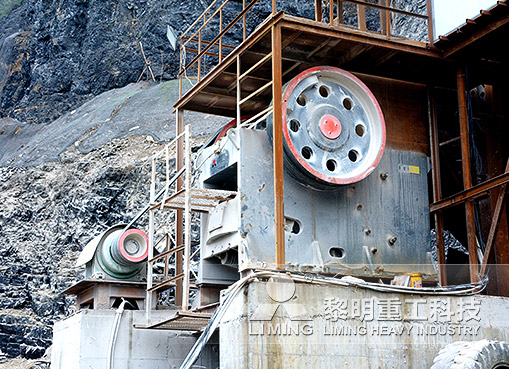
Crusher Lubrication System Failures: Prevention for Continuous Metal Ore Operation
Lubrication failure is one of the top causes of unplanned downtime in cone crushers used for copper, iron, chrome and hard mineral ore. Metal ore crushing runs at higher load, higher bearing temperature and higher contamination risk than ordinary aggre
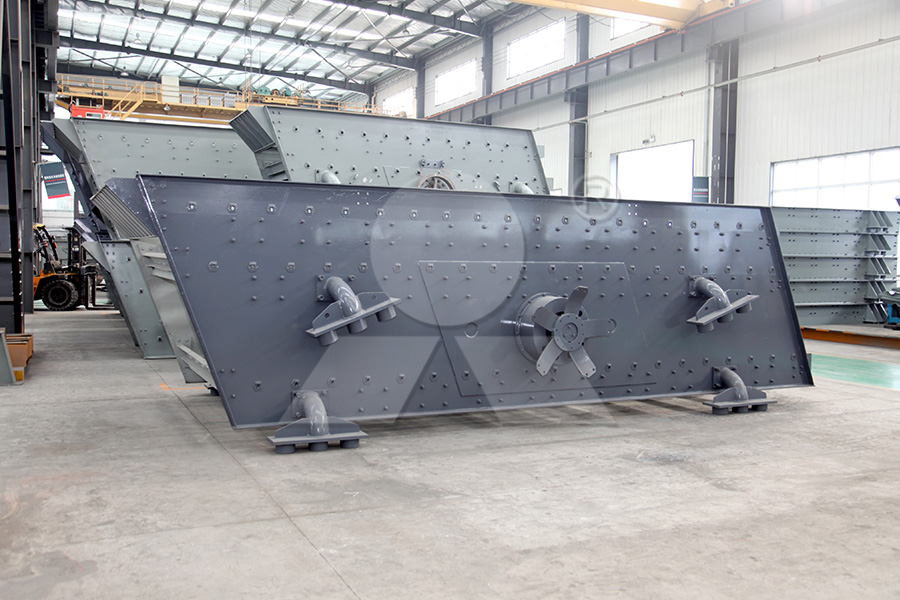
Phosphorite Crushing for Phosphate Rock Beneficiation and Fertilizer Feed
Phosphate rock is the raw material for phosphoric acid, fertilizers and animal feed additives. Sedimentary phosphorite is often soft, friable and mixed with clay, silica and carbonate gangue. Igneous phosphate deposits are harder and more abrasive. The
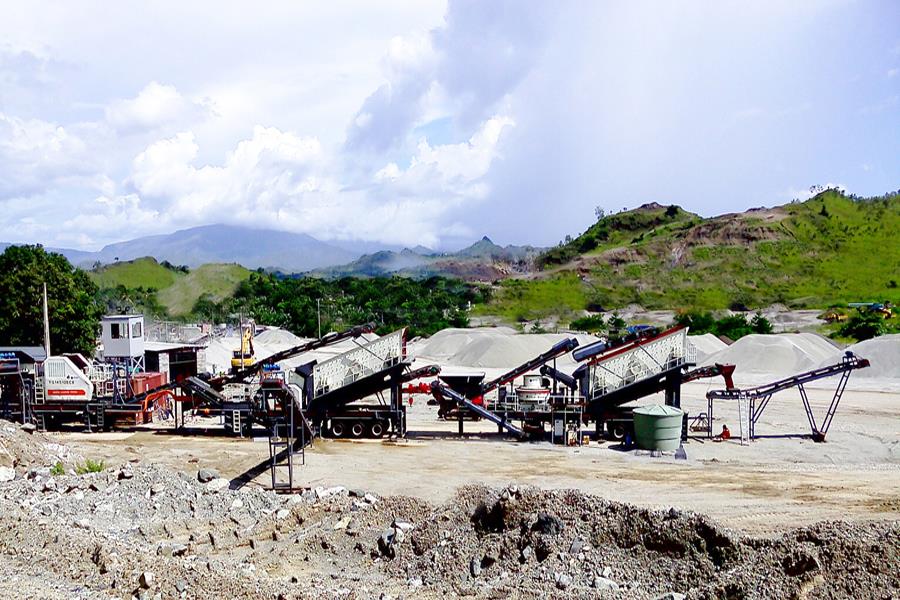
Mobile Cone Crushing Plant for Contract Mineral Processing and Toll Milling
Toll milling and contract crushing are growing service models: mine owners bring ore to a mobile processing hub, or the crusher moves to their mine site, paying per ton processed. This works well for small scattered deposits, exploration bulk sampling
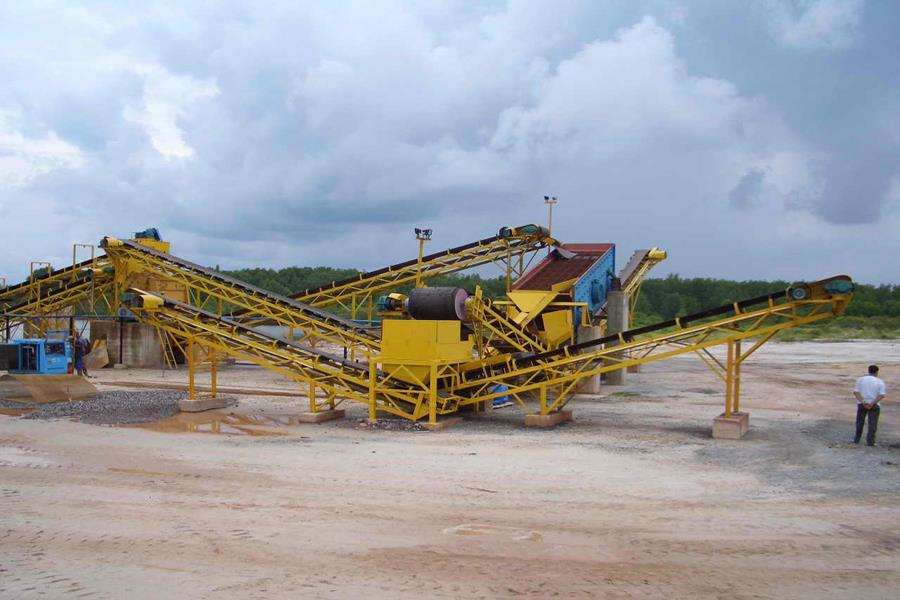
Antimony Ore Crushing for Stibnite Liberation and Gravity-Flotation Processing
Antimony ore, dominated by stibnite, is a brittle sulfide mineral used in flame retardants, alloys and specialty chemicals. Stibnite cleaves easily, so aggressive crushing turns valuable antimony mineral into hard-to-recover slime. Most antimony deposi