Industry Professional Articles (Focus on Technology & Cases - New Batch 5)
How to Control Aggregate Moisture in Wet Season ProductionMany tropical and subtropical mining area
Send InquiryProduct Details
How to Control Aggregate Moisture in Wet Season Production
Many tropical and subtropical mining areas face heavy rainfall and high humidity during the wet season. Excessive material moisture often causes sieve blockage, crusher cavity clogging, reduced output and poor aggregate quality. Effective moisture control is essential to maintain stable quarry production throughout rainy months.
Common problems caused by high moisture include sticky fine powder adhering to aggregate, vibrating screen mesh blocking, low screening efficiency, and uneven feeding speed. For soft stones such as limestone and dolomite, wet materials are more likely to agglomerate and affect crushing uniformity.
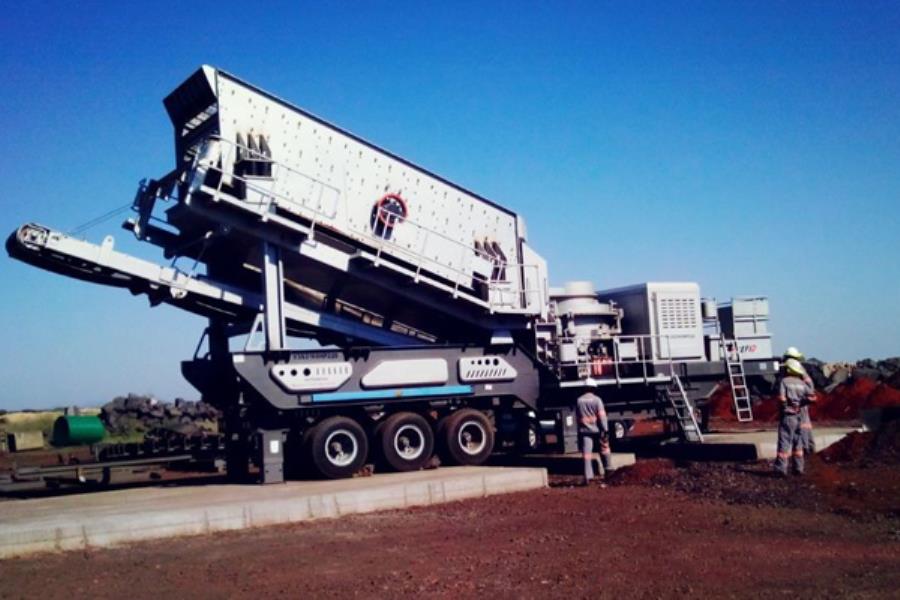
Practical control methods include raw material canopy shelters to avoid direct rain soaking, pre-screening to remove sticky fine mud, heated air drying devices for finished aggregate, and adjustable water spray systems in washing sections. Operators should increase feeding gap of crushers and reduce feeding speed to prevent clogging during rainy days.
A 280TPH limestone plant in Indonesia applied wet-season moisture control measures. After installing rain shelters and additional pre-screening equipment, the screen blocking rate decreased from 18% to 3%, and the monthly production capacity increased by 22%. Finished aggregate moisture was stabilized below 2.5% for consistent concrete usage.
For seasonal production optimization solutions, visit https://www.smpcrusher.com.
Keywords: aggregate moisture control, wet season quarry production, screen blockage prevention, Indonesia limestone plant, rainy season crushing

Related Showrooms
Inquiry