Introduction to the Process Flow and Required Equipment for Granite Crushing Production Lines
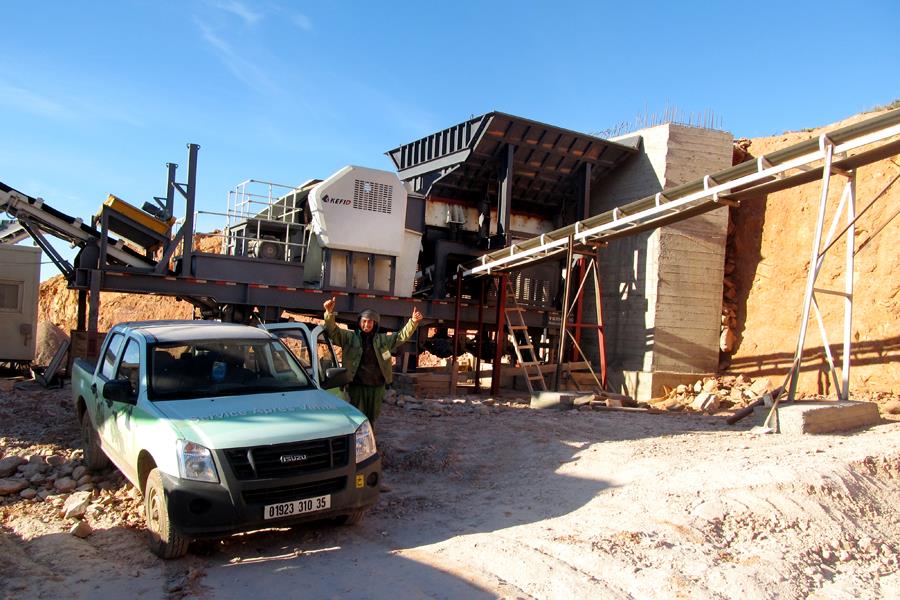
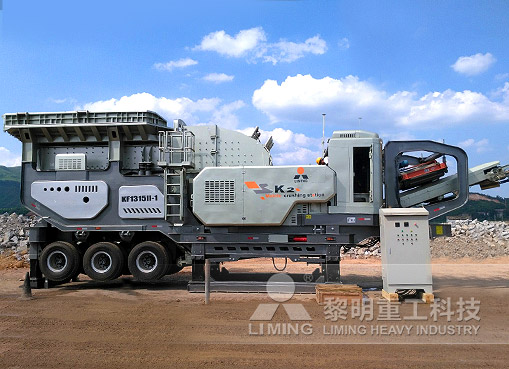
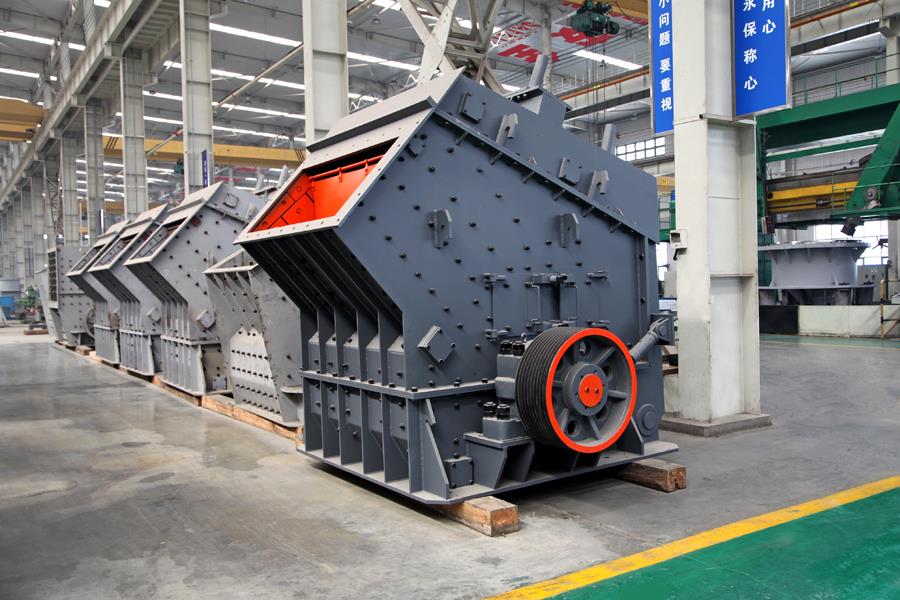
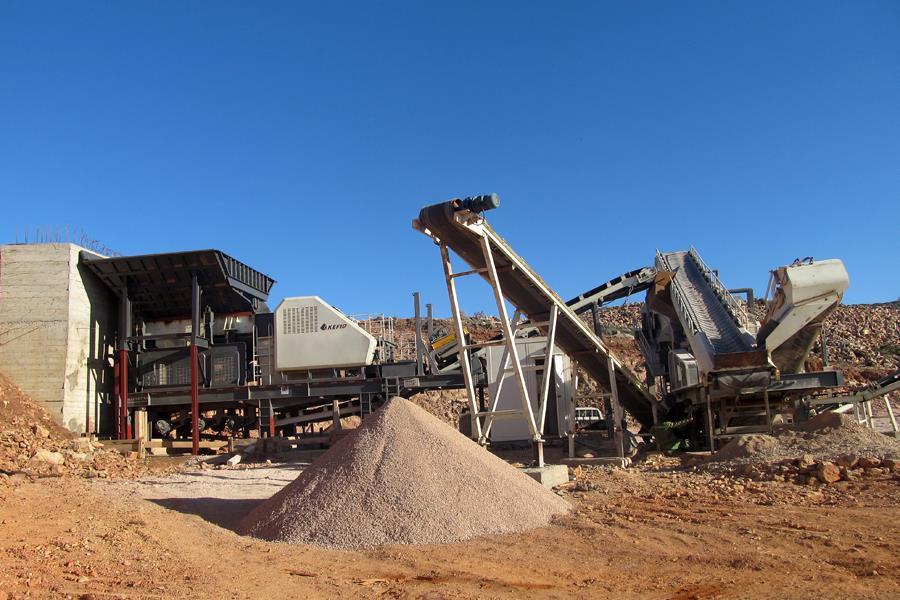
Establishing an efficient granite crushing production line is a primary objective for many stone processing enterprises. As granite is a stone of exceptional hardness, its processing entails multiple stages of crushing and shaping to yield finished products that meet market demands. When configuring a granite crushing line, the standard approach involves three distinct stages: coarse crushing (primary crushing) utilizing a jaw crusher; medium and fine crushing (secondary crushing) utilizing a cone crusher; and sand making and shaping (tertiary processing) utilizing a sand-making machine.
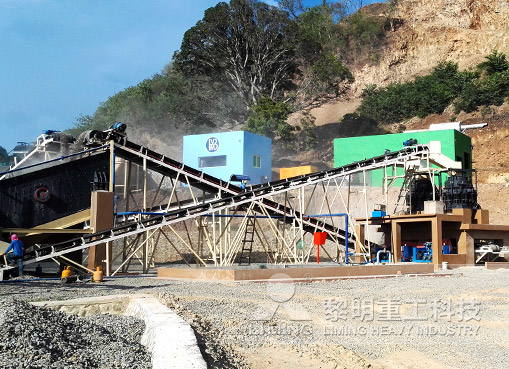
First, large blocks of granite are fed from a hopper onto a vibrating feeder. Through the feeder's uniform delivery mechanism, the material is smoothly conveyed into the jaw crusher for the initial stage of processing—coarse crushing. The jaw crusher boasts robust crushing power and high operational efficiency, enabling it to rapidly reduce the granite material to the required particle size. Following this coarse crushing stage, the material passes through a vibrating screen for classification, ensuring that it meets specific particle size requirements. Once screened, the material is transported via a belt conveyor to the cone crusher for the second stage: medium and fine crushing.
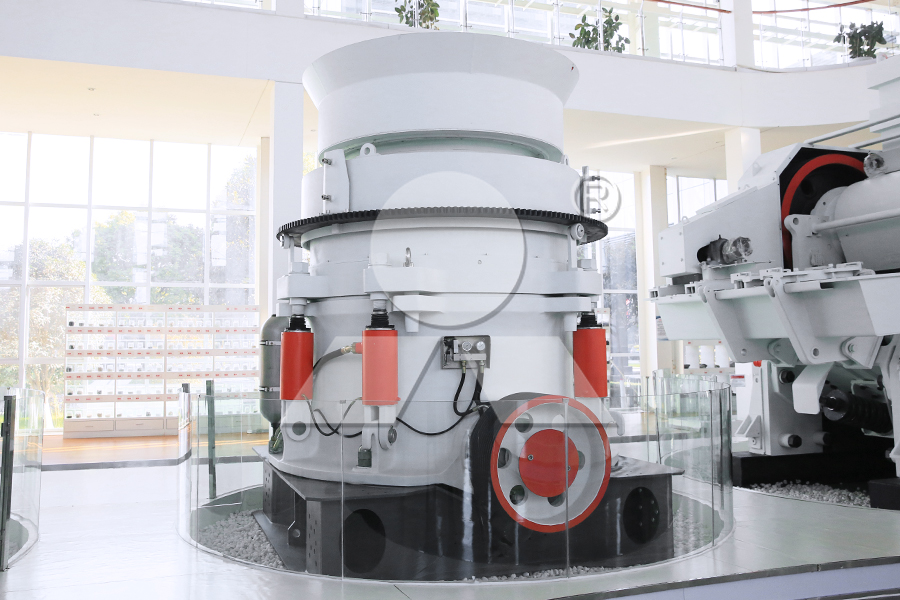
The cone crusher is a critical component of the granite crushing production line; it is designed to further reduce the material that has already undergone coarse crushing in the jaw crusher. After this medium and fine crushing stage, the material is screened once again—typically using a circular vibrating screen—to ensure the quality of the finished product. Should any oversized particles remain, they are recirculated back into the cone crusher for further reduction until the desired particle size is achieved.
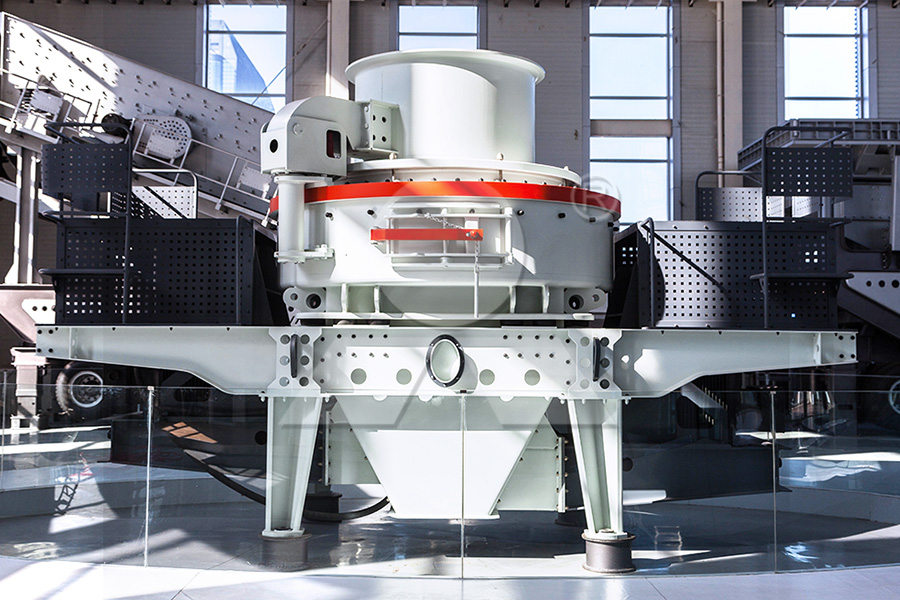
Upon completing the crushing processes within the jaw and cone crushers, the material proceeds to the sand-making machine for further reduction and shaping. The sand-making machine performs a finer level of crushing and, as needed, adjusts the shape of the particles to satisfy market demands for various stone geometries. If the material requires cleaning, it can also be directed to a sand washer to ensure the purity and quality of the final product.
Finally, the material that meets all specifications is classified and packaged according to specific particle size ranges. This classification and packaging process can be flexibly adjusted to align with market trends and client specifications, thereby catering to the diverse needs of different customers.
By rationally configuring a granite crushing production line, enterprises can significantly boost production efficiency, reduce operational costs, and consistently produce high-quality granite products. For stone processing enterprises, this not only enhances competitiveness but also enables them to meet the diverse demands of the market. Therefore, when selecting the configuration for a granite crushing production line, enterprises should choose appropriate equipment and process flows—tailored to their specific production requirements and market conditions—in order to achieve optimal production results.