What are the differences between river sand, sea sand, desert sand, and manufactured sand, and which type is more suitable for use as construction aggregate
Sand—also known as fine aggregate for concrete—is one of the indispensable raw materials in construction projects and a primary component of modern concrete. Within concrete, it plays a crucial role in adjusting the mix proportions and filling the voids between coarse aggregates. But are different types of sand—such as river sand, sea sand, desert sand, and manufactured sand—suitable for use as construction aggregates? And what are the key differences between them?
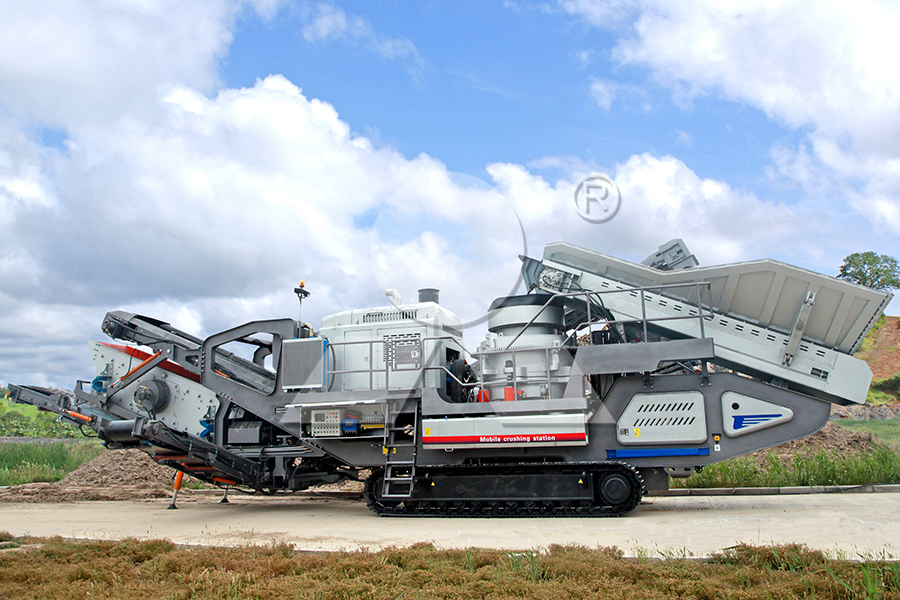
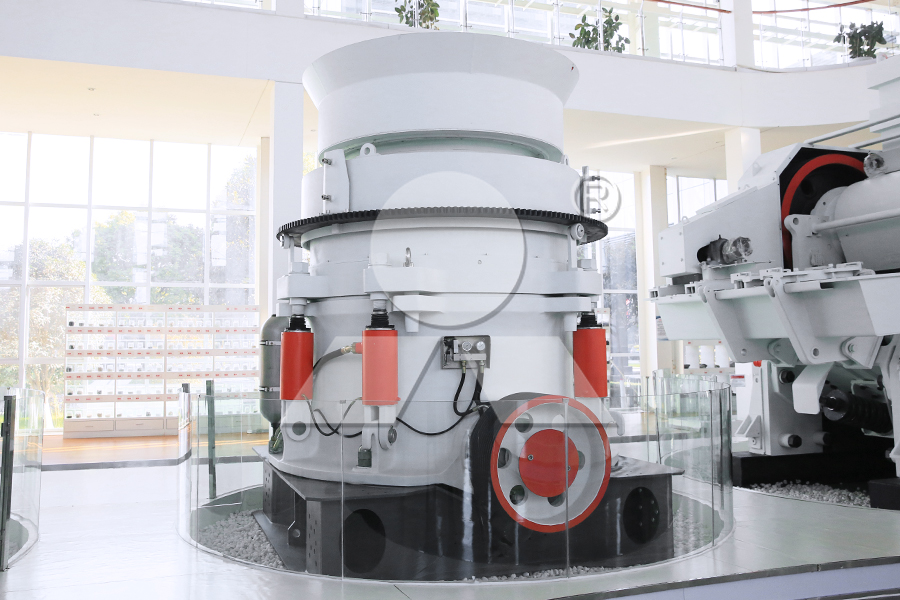
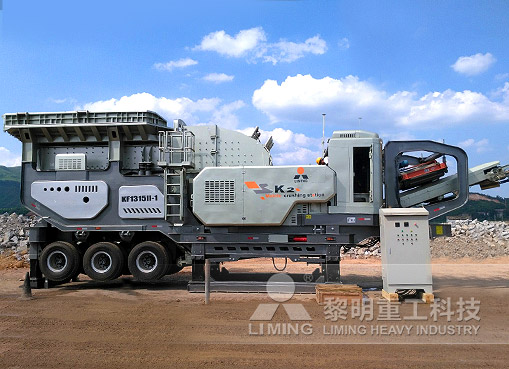
Click here to learn about the pricing of manufactured sand production equipment.
1. Geographic Distribution
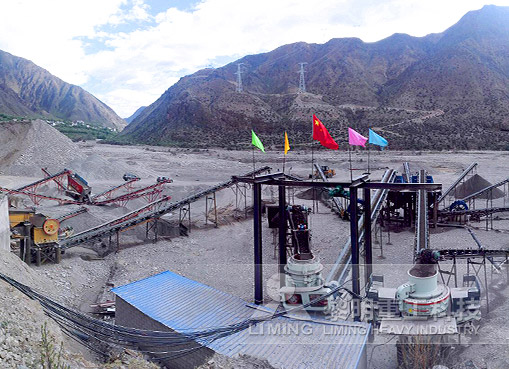
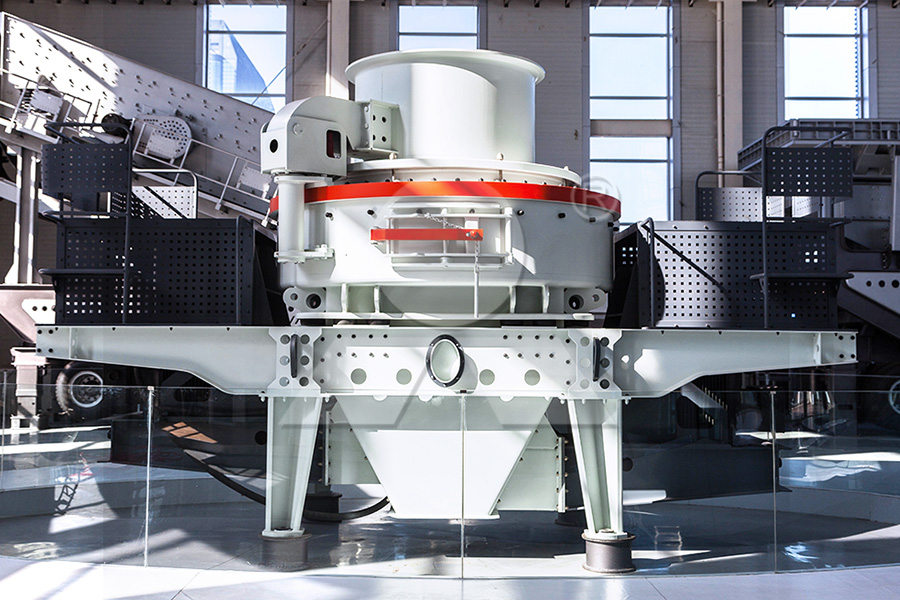
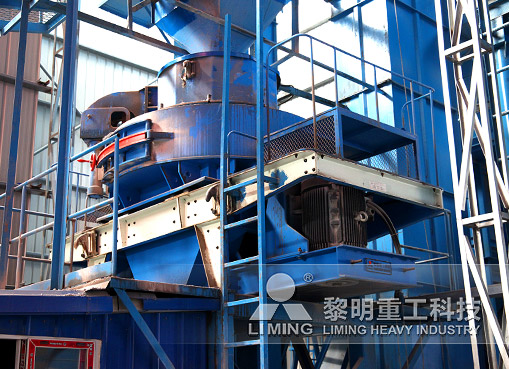
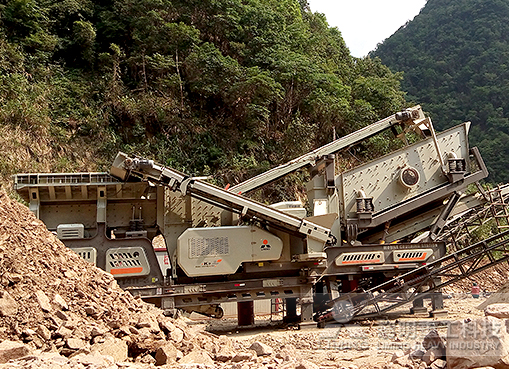
Manufactured sand is primarily produced from crushed rock (specifically mountain rock); production facilities are distributed nationwide, meaning that—broadly speaking—wherever there are rocks, manufactured sand can be produced.
Natural mountain sand is typically extracted from the foothills of mountains, while river sand is sourced mainly from rivers, lakes, and similar bodies of water; both types are found in both inland and coastal regions. Mountain sand reserves are limited, whereas river sand is widely distributed and exists in substantial reserves.
Desert sand, as the name implies, originates from desert regions; globally, deserts are distributed across 13 distinct geographical zones.
Sea sand—true to its name—consists of sand that has been submerged in seawater. It is predominantly found in coastal areas, typically at the confluence of rivers and the sea, or within shallow marine zones. It manifests in various geomorphological forms, such as sand bars, sand ridges, dunes, sand waves, scour channels, ancient river valleys, paleo-beaches, and paleo-deltas.
2. Mineral and Chemical Composition
The parent rock used to produce manufactured sand typically includes granite, limestone, basalt, and gneiss. Consequently, its mineral and chemical compositions mirror those of the parent rock; the material is chemically stable and contains virtually no organic matter. In contrast, natural mountain sand possesses a more complex composition, often containing higher levels of organic impurities and a greater proportion of clay.
River sand consists primarily of quartz as its dominant mineral component, though it also contains other minerals such as mica. While it tends to contain various impurities, its composition is considered relatively "mature" due to the prolonged hydraulic action and abrasion it has undergone during its long-distance transport by water.
The primary constituent of desert sand is quartz, accompanied by smaller amounts of feldspar and muscovite mica; its origins lie mainly in the weathered residues of sandstone and granite. Sand found in deserts often contains harmful substances and, as a result, typically fails to meet the established standards for construction-grade sand.
Sea sand’s primary mineral component is also quartz; however, it frequently contains shell fragments and rock debris. Furthermore, it is characterized by a relatively high clay content, a greater abundance of general impurities, and—critically—a high concentration of chloride ions. The use of sea sand requires desalination treatment to reduce its chloride ion content.
3. Differences in Appearance and Physical Characteristics
Manufactured sand is typically an aggregate produced using specialized sand-making equipment, such as crushers; it is characterized by its angular, flaky, and rough texture.
River sand is formed through the erosion of riverbeds; its grains are relatively rounded, and it is predominantly bright yellow in color.
Desert sand originates from the weathering of rocks; while typically golden yellow, it can exhibit a variety of colors depending on the specific minerals present in the source rock.
Sea sand grains are relatively smooth and tend to be dark brown in color, often containing fragments of seashells.
4. Differences in Application
Manufactured sand is suitable for a wide range of applications, particularly within the construction aggregate market—including general construction, concrete production, cementing materials, road-building materials, and artificial marble.
River sand and sea sand can be utilized in industrial sectors such as casting, grinding, and rust removal, though they require rigorous purification treatment prior to use.
Desert sand is relatively expensive and is therefore not suitable for the construction market.
Different types of sand are suited to different contexts and applications; selecting the appropriate type of sand is a critical step in ensuring the successful execution of a project.

-
-
Introduction to the Process Flow and Required Equipment for Granite Crushing Production Lines
-
Introduction to the Process Flow and Required Equipment for Granite Crushing Production Lines
-
-