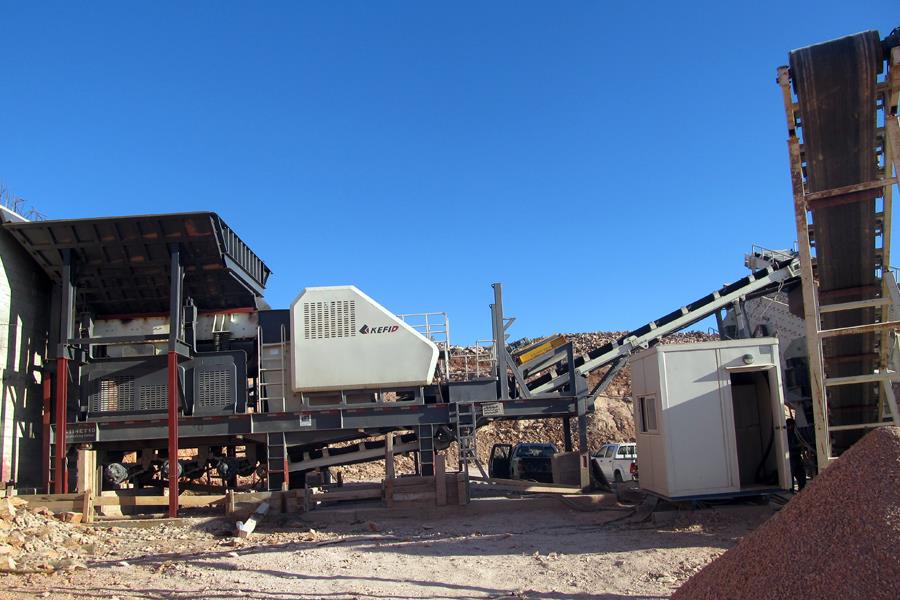
River Pebble Sand Making Plant: Wear Protection & Sand Graduation Control
River pebble has rounded, dense silica texture and causes severe abrasive wear on crushing rotors and liners. Most pebble sand plants adopt jaw + cone + VSI flow instead of using impact crushers in secondary stage, because impact blow bars wear out ext
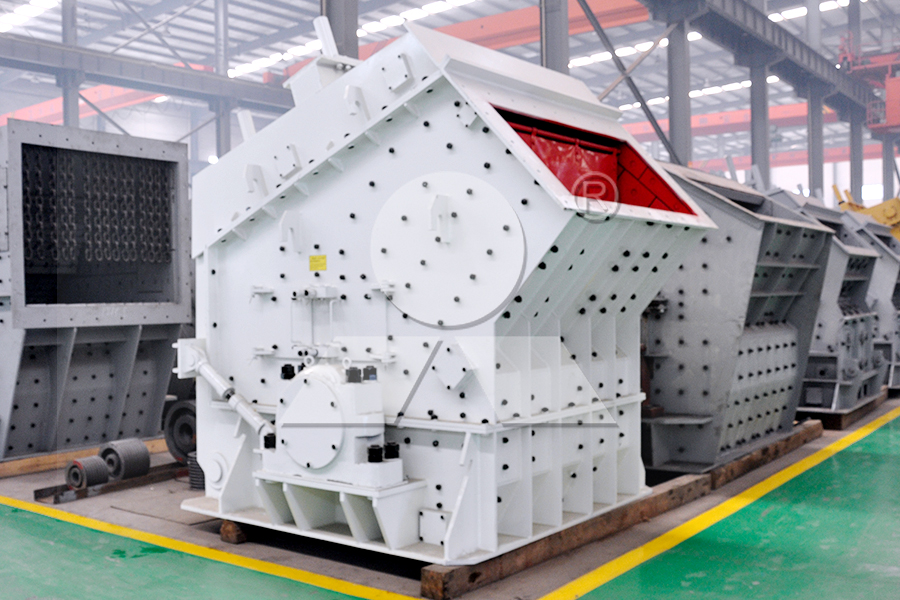
Limestone Crushing Plant for Cement Raw Meal & Construction Aggregate Dual Production
Cement plant limestone quarry can run dual-purpose crushing lines, supplying fine limestone powder feed for raw meal grinding and selling graded limestone aggregate for construction. Limestone is relatively soft compared with basalt and granite, so the

Granite Sand & Aggregate Production: Balancing Sand Yield and Stone Powder Content
Granite is widely used for manufactured sand and graded aggregate. A common pain point for granite sand plants is unstable stone powder content: too much powder raises concrete water demand; insufficient powder reduces sand workability. Three-stage cru
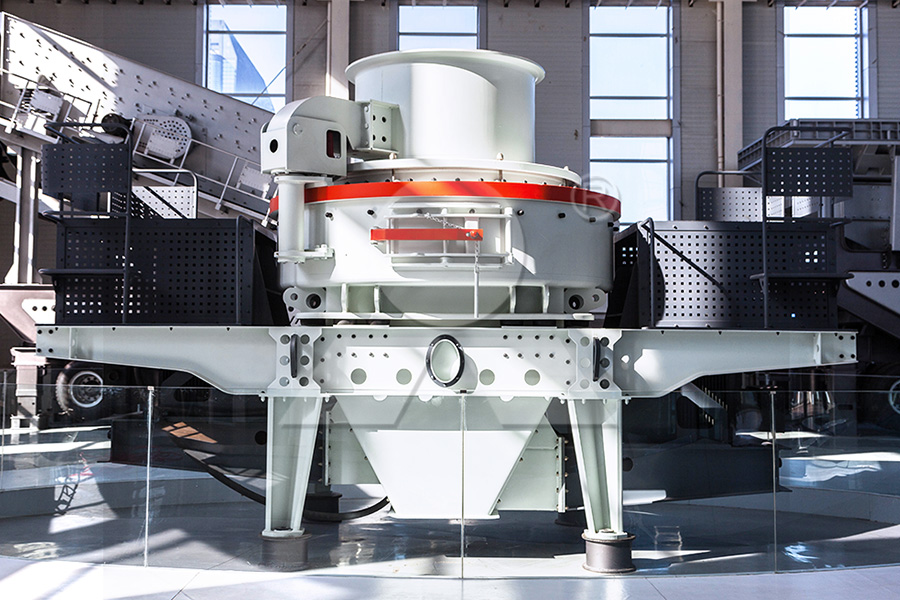
Basalt Aggregate Crushing Plant: Producing High-Strength Road Base & Surface Aggregate
Basalt is a premium raw material for high-grade construction aggregate, famous for high compressive strength and good polishing resistance. But its high hardness and abrasiveness bring heavy wear to crushing equipment. The ideal circuit: primary jaw cr
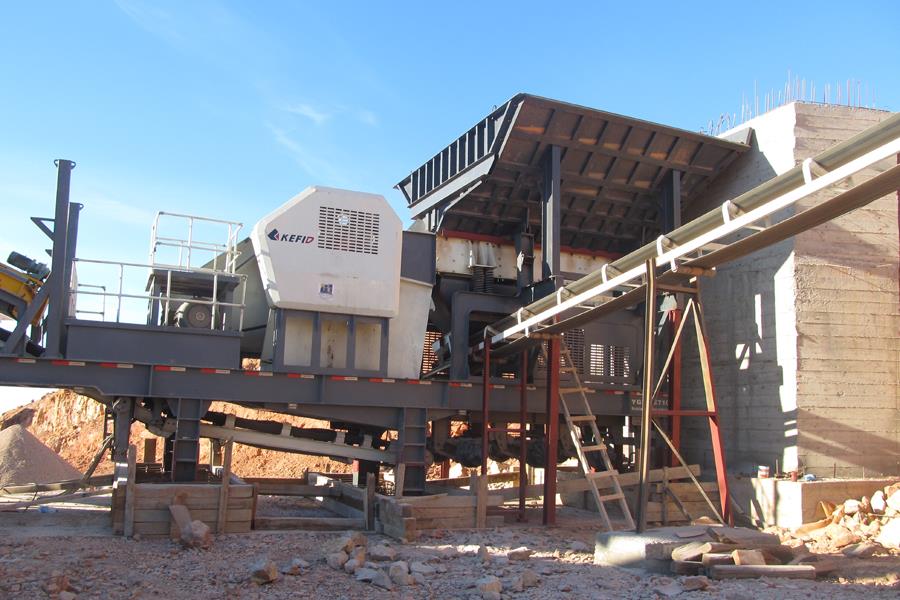
Tin Cassiterite Ore Crushing Best Practice to Reduce Cassiterite Sliming Loss
Cassiterite tin mineral is brittle, and fine tin slime is notoriously difficult to recover. In hard rock tin mines, improper impact crushing creates massive tin slime that escapes gravity concentrators. The best practice is multi-stage compression crus
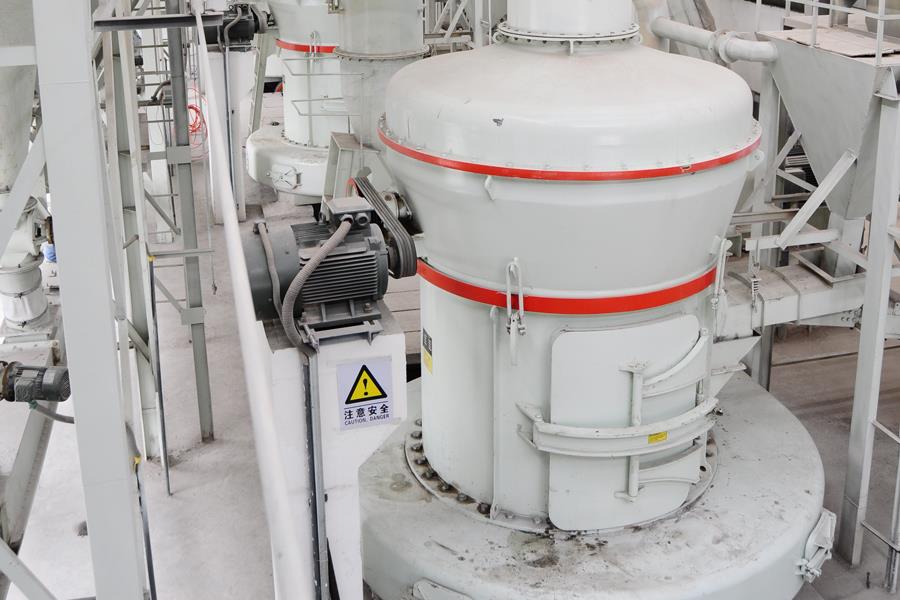
Nickel Laterite Ore Crushing & Agglomeration Preparation for HPAL Process
Nickel laterite ore is clay-rich, sticky and high-moisture, completely different from hard sulphide nickel ore. If crushed too fine, the ore becomes mud and cannot be stacked or fed into HPAL pressure leaching reactors smoothly. The crushing goal is to
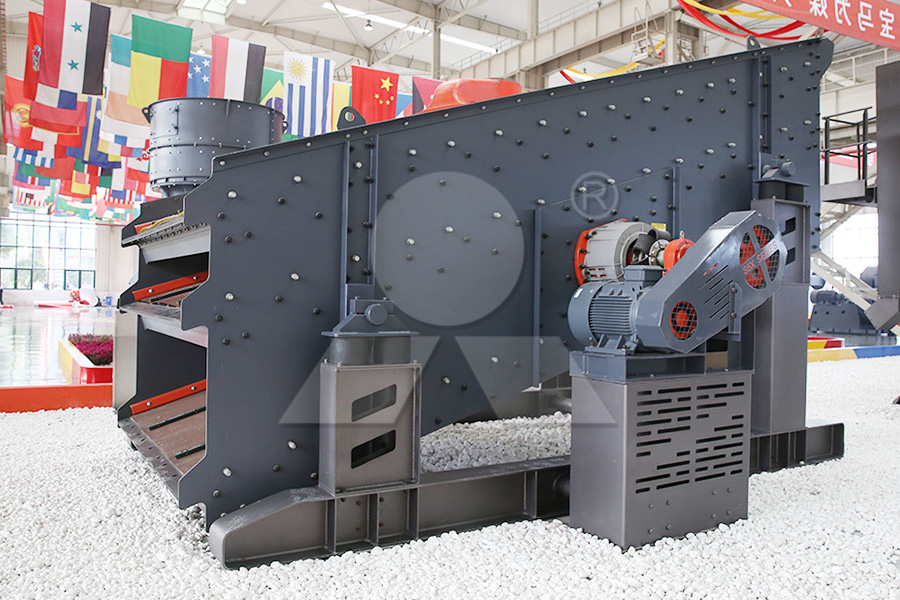
Tungsten Ore Crushing Circuit Design for Scheelite & Wolframite Pre-Sorting
Tungsten ore is often low-grade, so pre-sorting after coarse crushing is critical to improve project economics. Wolframite is denser and darker; scheelite responds well to X-ray recognition. After primary jaw crushing to lump size, ore enters XRT sorte
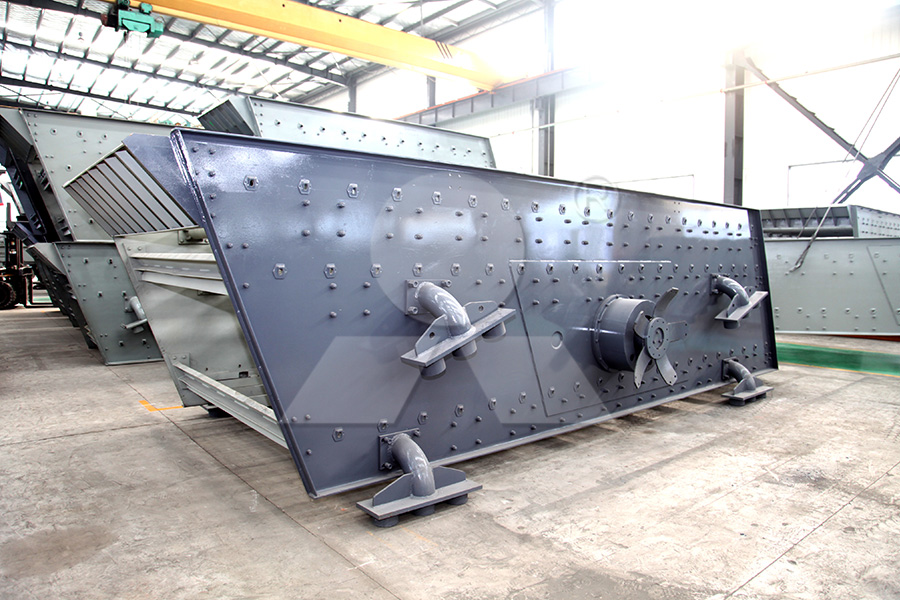
Chromite Ore Crushing for Gravity Beneficiation: Avoid Over-Pulverizing Chromite Grains
Metallurgical-grade chromite ore mostly uses gravity separation, which relies on intact chromite grains. Chromite is brittle, so impact crushing will shatter grains into fine powder that cannot be recovered by conventional gravity equipment. Therefore
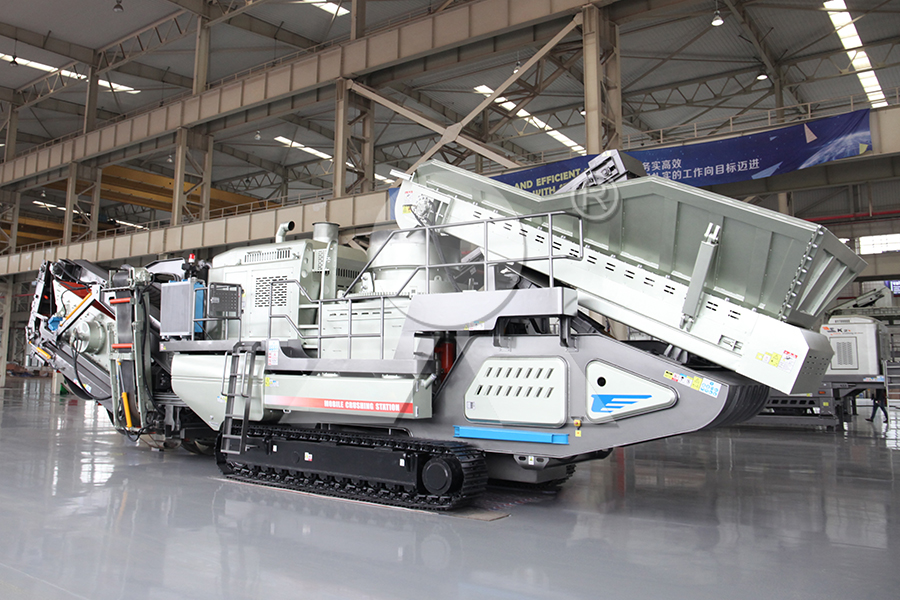
Lead Zinc Sulphide Ore Closed-Circuit Crushing Setup for Flotation Feed Consistency
Differential flotation separating galena and sphalerite is very sensitive to feed particle size. Coarse locked intergrowth cannot be separated; excessive fines create slime coating, making it hard to separate lead and zinc minerals selectively. Closed-
Pyrite Associated Metal Ore: How to Control Sulphide Dust & Acid Risk in Crushing Workshop
Pyrite is commonly intergrown with gold, copper and lead-zinc ore. When pyrite is crushed into fine particles, it reacts with air and moisture, producing sulphuric acid runoff and explosive sulphide dust hazards. Many crushing workshops for sulphide me